




What's Happening?
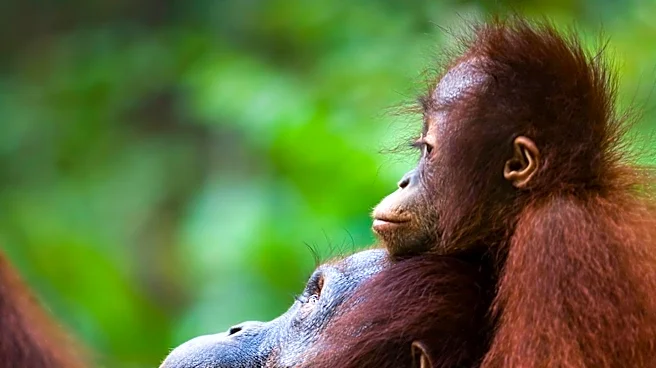
A recent study has revealed that orangutan mothers arrange playdates for their offspring, a behavior that mirrors human parenting practices. The research, which involved 30,000 hours of observation of 31 wild Bornean mother-offspring pairs, found that these
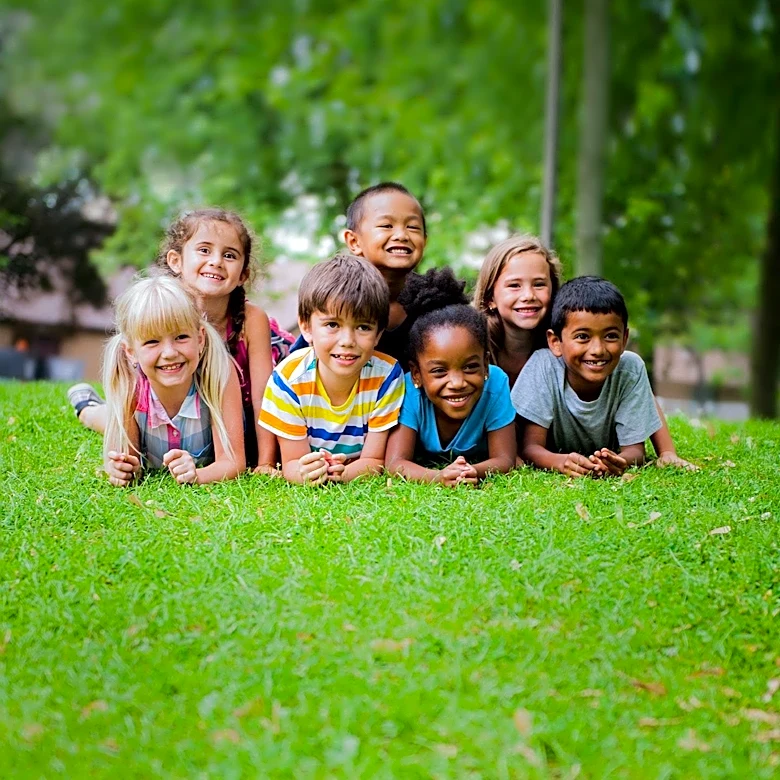
solitary animals make trips into the territories of other mothers with similarly aged offspring. This behavior allows the young orangutans to engage in play, which is crucial for their development. The study suggests that play is not just a frivolous activity but an essential part of learning and development for many species, including humans. The findings highlight the importance of play in developing communication, cooperation, and conflict resolution skills among young animals.
Why It's Important?
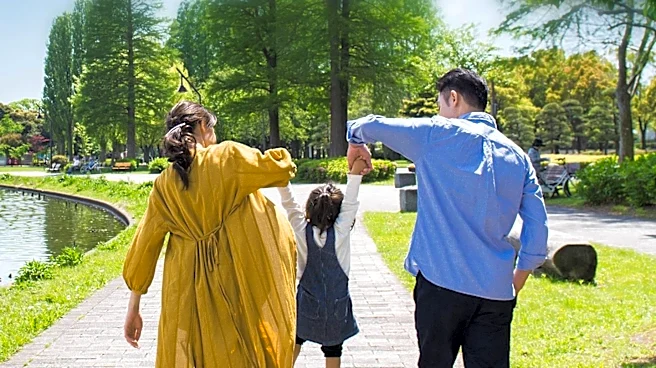
The study's findings underscore the significance of play in both animal and human development. For young animals, play serves as a rehearsal for life, helping them learn essential social and physical skills. This research suggests that play is a widespread and vital behavior across the animal kingdom, indicating its evolutionary importance. For humans, the study draws parallels between orangutan playdates and human parenting, suggesting that playfulness can help adults navigate life's challenges. During the COVID-19 pandemic, playful adults were found to cope better with stress, highlighting the potential mental health benefits of maintaining a playful attitude throughout life.
What's Next?
The study may encourage further research into the role of play in human development and mental health. It could lead to increased emphasis on play in educational and parenting strategies, promoting a more playful approach to life as a means of enhancing well-being. Additionally, the findings may inspire conservation efforts by highlighting the complex social behaviors of orangutans, emphasizing the need to protect their habitats to allow these behaviors to continue.
Beyond the Headlines
The research opens up discussions about the broader implications of play in society. It challenges the notion that play is only for children, suggesting that adults can benefit from incorporating playfulness into their lives. This perspective could influence cultural attitudes towards work and leisure, promoting a more balanced approach to life that values creativity and flexibility. The study also highlights the interconnectedness of human and animal behaviors, offering insights into the evolutionary roots of play and its role in survival and adaptation.