




What's Happening?
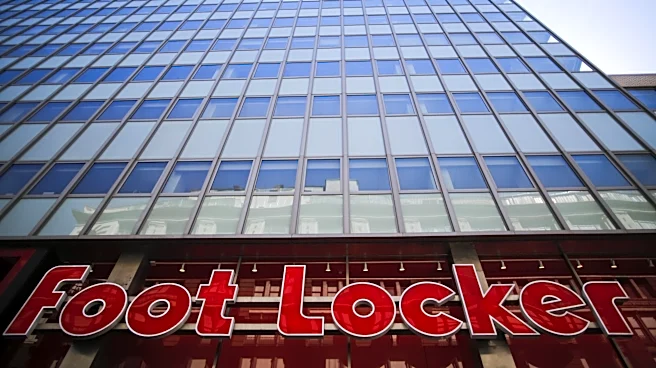
Foot Locker is actively seeking a Lead Software Engineer for Merchandise Technology to spearhead the modernization and technical execution of its global merchandising technology platforms. This role is critical for leading engineering efforts, guiding
solution implementation, and ensuring high-quality delivery across various merchandising domains. The position involves working with both legacy and modern platforms, supporting existing systems while simultaneously driving modernization initiatives, reducing technical debt, and facilitating the transition to scalable, cloud-based solutions. The Lead Software Engineer will operate within a complex global business model that spans multiple regions and supports a distributed delivery organization, including offshore engineering teams. Key responsibilities include leading the design, development, and implementation of solutions aligned with business and architectural standards, owning the delivery of features and enhancements, and driving the adoption of modern engineering practices such as API-first, event-driven, and cloud-native approaches. The role also emphasizes the integration of AI/ML capabilities into applications and workflows to enhance intelligent and data-driven solutions.
Why It's Important?
This strategic hire by Foot Locker underscores the growing importance of advanced technology and digital transformation within the retail apparel and fashion industry. By investing in a Lead Software Engineer focused on merchandising technology, Foot Locker aims to enhance its operational efficiency, improve inventory management, optimize pricing strategies, and ultimately deliver a more personalized and seamless customer experience. The integration of AI/ML capabilities signifies a move towards data-driven decision-making, which can provide a competitive edge in a rapidly evolving market. Modernizing legacy systems and transitioning to cloud-based solutions will improve scalability, reliability, and agility, allowing Foot Locker to adapt more quickly to market demands and consumer trends. This initiative could lead to significant improvements in supply chain management, reduced operational costs, and increased revenue through more effective merchandising strategies. The focus on modern engineering practices also indicates a commitment to building a robust and future-proof technological infrastructure.
What's Next?
The successful candidate for the Lead Software Engineer role will be instrumental in shaping Foot Locker's technological future in merchandising. Immediate next steps will involve leading and mentoring engineering teams, coordinating work across onshore and offshore teams, and supporting agile delivery practices. The engineer will also be responsible for partnering with Solution Architects to ensure designs are practical and executable, and collaborating with product, business, and data teams to align on requirements and delivery. Over the coming months, the focus will be on identifying opportunities to improve existing systems, reduce complexity, and eliminate technical debt, while actively contributing to modernization initiatives such as migration, refactoring, or replacement of legacy applications. The evaluation and application of new technologies and tools, including AI-assisted development technologies like Copilot, will be crucial to improving engineering productivity and quality. This role is expected to drive significant technological shifts within Foot Locker's merchandising operations.
Beyond the Headlines
Beyond the immediate operational improvements, Foot Locker's investment in a Lead Software Engineer for Merchandise Technology reflects a broader industry trend where retailers are increasingly leveraging advanced technology to stay competitive. This move highlights the critical role of data science and machine learning in understanding consumer behavior, optimizing product assortments, and personalizing shopping experiences. The emphasis on AI/ML integration suggests a strategic shift towards predictive analytics for demand forecasting and dynamic pricing, which can significantly impact profitability and market share. Furthermore, the focus on modernizing legacy systems addresses a common challenge in established retail companies, where outdated infrastructure can hinder innovation and agility. By embracing cloud-native and event-driven architectures, Foot Locker is positioning itself for greater resilience and adaptability in the face of future market disruptions, potentially setting a new standard for technological integration within the retail apparel sector.