



What's Happening?
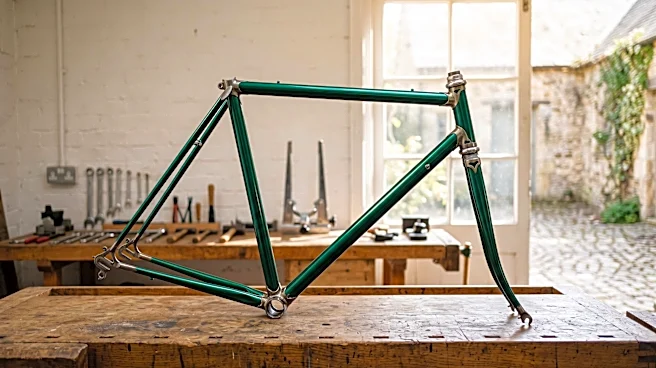
The Holdsworth 1959 Catalog showcases various bicycle frames, including the 'Monsoon' model, specifically designed for 'nippy massed start riders.' The catalog highlights the Monsoon's built-in worthiness, proven by consistent performances from leading
amateurs in bunched racing. Its design features a 72-degree parallel 'box' structure combined with a lower-than-average bracket height and a long back, aiming to provide stability without sacrificing the liveliness crucial for competitive cycling. The frame also incorporates a well-balanced Scroll lug, designed and cut by Holdsworth craftsmen, to evenly distribute stresses. Brazed-on fittings include cable eyes, brake system eyelets under the top tube for exposed cables, and a gear lever boss. Notably, in conformity with modern practice, the Monsoon frame does not include pump pegs or a lamp bracket boss. The catalog details various finish options, such as Flamboyant, Lustre, or Enamels, with contrasting head-tube or picked-out lugs, split bands on the seat tube, and a W. F. Holdsworth signature block and Monsoon transfer on the top-tube. The frame set was priced at £12. 12. 0 (ex-works).
Why It's Important?
This catalog entry provides a historical snapshot of bicycle manufacturing and design in the mid-20th century, illustrating the specialized needs of competitive cyclists. The emphasis on features like stability, liveliness, and stress distribution highlights the engineering considerations that went into creating high-performance racing frames. The mention of specific components and design choices, such as the 72-degree parallel 'box' design and the absence of pump pegs, reflects the evolving standards and preferences within the cycling community of that era. For enthusiasts and historians of cycling, this document offers valuable insight into the technological advancements and marketing strategies employed by manufacturers like Holdsworth. It also underscores the importance of amateur racing in validating product quality and performance, influencing design trends and consumer choices in the cycling market.
What's Next?
While the catalog itself is a historical document, its preservation and accessibility, such as through digital archives, allow for continued study and appreciation of vintage cycling technology. For collectors and restorers of classic bicycles, this information is crucial for authenticating and understanding the original specifications of Holdsworth models. The detailed descriptions could also inspire modern frame builders to draw upon historical designs and techniques, potentially influencing contemporary bicycle design. Furthermore, the catalog serves as a reference point for understanding the lineage of bicycle development, connecting past innovations with current trends in cycling sports and leisure. The ongoing interest in vintage cycling culture suggests that such historical documents will continue to be valued for their insights into the sport's heritage.
Beyond the Headlines
The Holdsworth 1959 Catalog, particularly its focus on specialized racing frames like the 'Monsoon,' reflects a broader cultural context where cycling was a significant sport and recreational activity. The meticulous attention to detail in frame construction and the emphasis on performance characteristics speak to a craftsmanship ethos that was prevalent in manufacturing during that period. The catalog's language, describing the 'Monsoon' as for 'nippy massed start riders,' evokes a sense of the competitive spirit and the physical demands placed on cyclists. This historical artifact not only documents a product but also implicitly narrates a story about the evolution of sports equipment, the pursuit of athletic excellence, and the cultural significance of cycling in post-war Britain. It offers a glimpse into how technological advancements were communicated to a discerning audience of cyclists and how brands established their reputation through quality and specialized design.