


What's Happening?
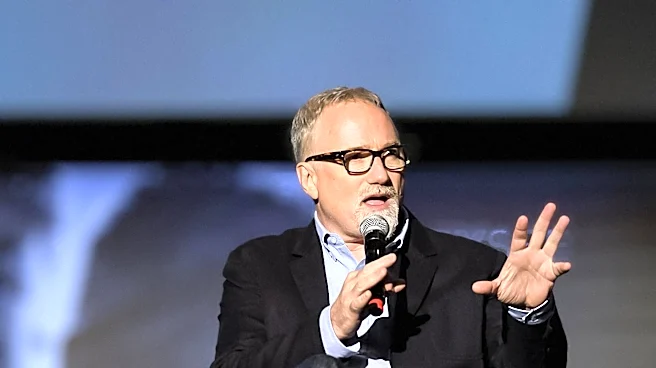
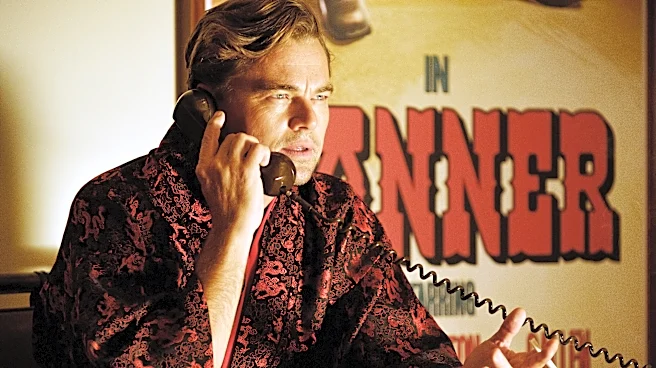
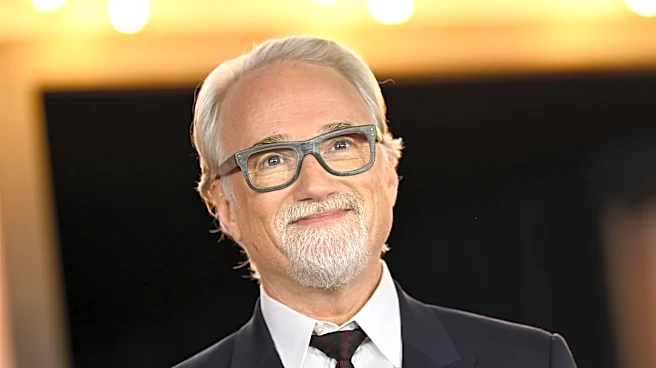
Leonardo DiCaprio, who originated the character of Rick Dalton in Quentin Tarantino’s “Once Upon a Time in Hollywood,” chose not to reprise his role in David Fincher’s sequel, “The Further Mis-Adventures of Cliff Booth.” Director David Fincher revealed
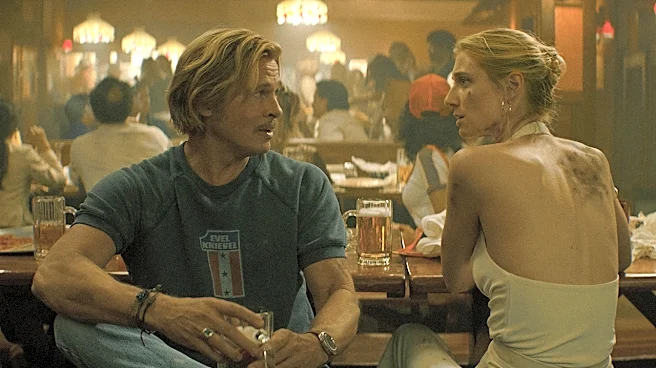
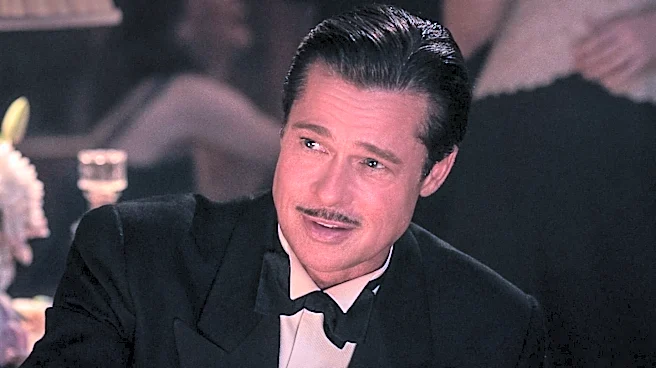
that DiCaprio declined the part because it would have required him to wear prosthetics to appear “chubby.” The character of Rick Dalton was initially included in the script for approximately 15 to 30 pages, spanning about three scenes. Fincher explained that the decision to write out Dalton was made after DiCaprio expressed his reluctance to wear the necessary padding for the role. The film, set in 1977, continues the story of Cliff Booth, played by Brad Pitt, as a Hollywood studio fixer. It premiered in IMAX theaters and is scheduled for streaming on Netflix starting December 23. The supporting cast includes Elizabeth Debicki, Scott Caan, Yahya Abdul-Mateen II, Carla Gugino, and Peter Weller.
Why It's Important?
This decision highlights the creative and logistical challenges involved in film production, particularly concerning actor preferences and character portrayals. For fans of Quentin Tarantino's original film, the absence of Rick Dalton, a central character, could alter the narrative's continuity and reception. It also underscores the influence actors of DiCaprio's stature have on production decisions, even for established characters. The need for prosthetics to depict a character's physical transformation can be a significant factor for actors, impacting their willingness to commit to a role. This situation also demonstrates how a director like Fincher and original creator Tarantino adapt scripts when key actors are unavailable, showcasing the flexibility required in filmmaking to maintain production schedules and creative vision. The film's release on Netflix after an IMAX run indicates a strategic distribution approach to reach a broad audience.
What's Next?
“The Further Mis-Adventures of Cliff Booth” is currently available in IMAX theaters and will be accessible for streaming on Netflix starting December 23. The film will continue to be evaluated by critics and audiences, with particular attention likely paid to how the narrative progresses without the character of Rick Dalton. The success of the film, despite DiCaprio's absence, could influence future casting decisions and the willingness of studios to proceed with sequels or spin-offs even when original cast members opt out. The streaming release on Netflix will broaden its reach, potentially leading to discussions about the creative choices made in adapting the story and the impact of character changes on the overall viewing experience. Future projects involving David Fincher or Quentin Tarantino may also be scrutinized for similar production considerations.
Beyond the Headlines
The incident subtly touches upon the broader industry trend of actors' comfort and physical demands in roles. While prosthetics are common in Hollywood, an actor's refusal to wear them for a specific physical transformation can reflect personal preferences, artistic integrity, or even concerns about the impact on their public image. This situation also raises questions about the evolving nature of cinematic universes and character continuity, especially when original creators like Tarantino are involved in the conceptualization but not necessarily the direct execution of sequels. The decision to proceed with the film without a key character, and the subsequent adaptation of the script, illustrates the resilience and adaptability of the film industry in bringing stories to the screen, even when faced with unexpected challenges. It also highlights the increasing importance of streaming platforms like Netflix in providing a wide audience for such productions.