
What's Happening?
Amazon has introduced a new line of prepared meals through its Amazon Grocery Same-Day Delivery and Amazon Now 30-minute delivery services. This expansion includes ready-to-eat and heat-and-eat options
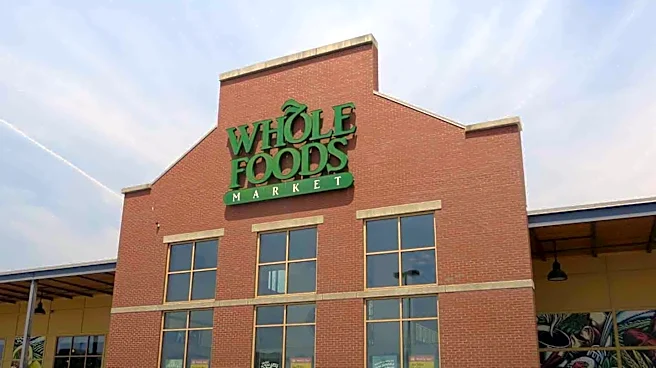
for breakfast, lunch, and dinner, all priced under $8. Concurrently, Amazon is offering family-sized prepared holiday sides from Whole Foods Market for the first time via these delivery services. According to Jason Buechel, Vice President of Amazon Worldwide Grocery Stores, this initiative aims to provide customers with convenient and affordable alternatives to cooking or takeout. Prime members receive free Same-Day Delivery on orders over $25, while non-Prime customers pay $12.99 per order. Amazon Now, the ultra-fast delivery service, is available in dozens of cities like Atlanta, Dallas–Fort Worth, Philadelphia, and Seattle, delivering a curated selection of prepared foods in 30 minutes or less. This move significantly broadens Amazon's grocery offerings, which have seen over 6,000 new items added in the last six months, now providing four times the selection of a typical grocery store.
Why It's Important?
This expansion by Amazon into prepared meals and holiday sides delivery intensifies competition within the U.S. grocery and food delivery market. By offering a wide range of affordable, ready-to-eat options, Amazon directly challenges traditional takeout services and meal kit companies, potentially shifting consumer spending habits. The integration of Whole Foods Market holiday sides also leverages the brand's reputation for quality, appealing to customers seeking convenient yet high-standard options for seasonal gatherings. This strategy could further solidify Amazon's position as a dominant player in the grocery sector, impacting competitors like DoorDash, Instacart, and Uber Eats, which are also vying for market share in grocery delivery. The focus on affordability (all meals under $8) makes these offerings accessible to a broader demographic, potentially increasing Amazon's customer base and loyalty, especially among those looking to manage food expenses more effectively.
What's Next?
Amazon is likely to continue expanding its prepared meal offerings and delivery coverage to more cities, leveraging its existing logistics network. The company's aggressive pricing strategy and convenience-focused approach suggest a sustained effort to capture a larger share of the food consumption market. Competitors in the grocery delivery space, such as DoorDash and Instacart, may respond by enhancing their own prepared meal selections, improving delivery speeds, or adjusting pricing to remain competitive. The holiday side offerings from Whole Foods Market are available through the end of the year, and their success could lead to similar seasonal or specialty product integrations in the future. Amazon's ongoing investment in its grocery division indicates a long-term commitment to becoming a primary source for household food needs, from pantry staples to ready-to-eat meals.
Beyond the Headlines
This strategic move by Amazon reflects a broader trend in consumer behavior towards convenience and value in food consumption. The increasing demand for ready-made meals and grocery delivery services highlights a shift away from traditional home cooking, driven by busy lifestyles and a desire for efficiency. Amazon's entry into this segment with affordable options could democratize access to prepared meals, making them a more common part of daily diets across various income levels. Furthermore, the integration of Whole Foods Market products into Amazon's broader delivery ecosystem blurs the lines between premium and mass-market grocery offerings, potentially influencing how other retailers structure their product lines and delivery services. This could also raise questions about the environmental impact of increased packaging and delivery logistics associated with a surge in prepared meal consumption.