


What's Happening?
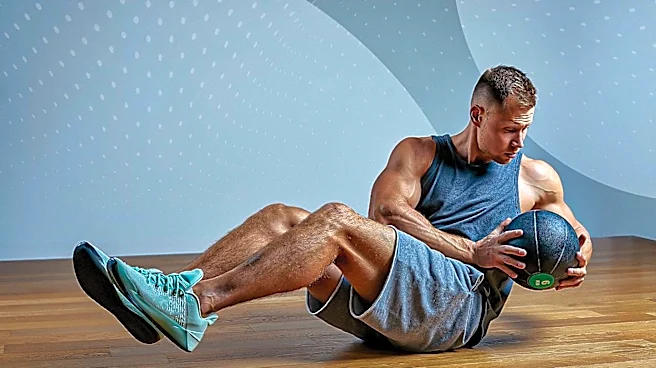
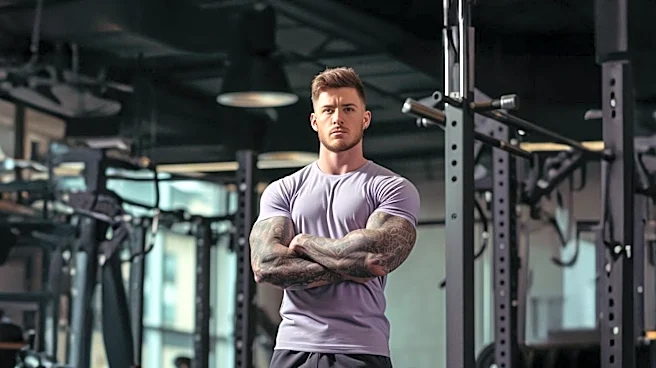
A growing number of gym-goers are expressing significant frustration and 'breaking points' over the pervasive presence of social media influencers filming their workouts in commercial gyms. Many individuals report feeling uncomfortable, having their workouts interrupted,
or inadvertently appearing in others' content. One gym-goer recounted waiting 15 minutes for equipment while an influencer filmed from multiple angles, only to be met with annoyance when asking to 'work in.' This sentiment is leading some to consider expensive private gym memberships that explicitly ban camera use, prioritizing a filming-free environment over cost. The core complaint revolves around the transformation of gyms from personal workout spaces into 'production sets,' disrupting the experience for those not seeking to be filmed or to perform for an audience.
Why It's Important?
This trend highlights a significant cultural clash within fitness spaces, impacting the user experience and potentially influencing business models for gyms. As influencer culture continues to grow, the demand for content creation spaces intersects with the desire for privacy and an uninterrupted workout environment. This friction could lead to a segmentation of the gym market, with more commercial gyms implementing stricter filming policies or, conversely, some catering specifically to content creators. For individuals, the issue raises questions about personal space, consent, and the commodification of everyday activities in the age of social media. The willingness of some to pay a premium for 'no-filming' gyms indicates a strong market demand for such environments, suggesting a potential shift in consumer preferences within the fitness industry.
What's Next?
Gyms may increasingly need to address the issue of filming to retain members and maintain a positive environment. This could involve implementing clearer policies regarding filming, designating specific 'filming zones,' or, as some gym-goers hope, outright banning cameras in workout areas. The rise of private, camera-free gyms could accelerate, offering a niche market for those seeking an escape from the 'ring-light brigade.' Influencers, in turn, might need to adapt their content creation strategies, potentially seeking out dedicated studios or more discreet methods of filming to avoid alienating other gym patrons. The ongoing debate could also prompt broader discussions about digital etiquette and the boundaries of public versus private spaces in an increasingly documented world.
Beyond the Headlines
The frustration with gym influencers reflects a broader societal tension between the curated online persona and authentic real-world experiences. The 'performance' aspect of influencer culture, where every activity can be a potential content opportunity, clashes with the personal and often vulnerable nature of physical exercise. This phenomenon raises questions about the psychological impact of constant surveillance and the pressure to perform, even in spaces traditionally dedicated to self-improvement and personal well-being. It also underscores the ethical considerations of filming others without consent in semi-public spaces. The desire for 'no spas, no aesthetics, just heavy weights and zero influencers' speaks to a yearning for authenticity and a return to the core purpose of a gym, free from the pressures and distractions of digital self-presentation. This could signal a growing pushback against the pervasive influence of social media in everyday life.