






What's Happening?
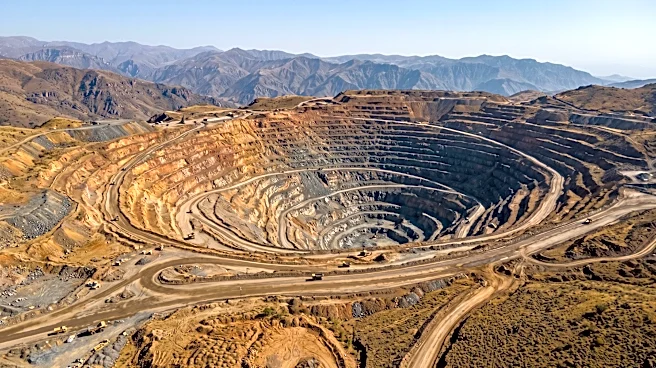
Armenia's Amulsar gold mine has officially reopened in October, marking the end of a decade-long period of protests, assessments, and legal challenges. The mine, located on the border of the Vayots Dzor and Syunik provinces, is the country's second-largest
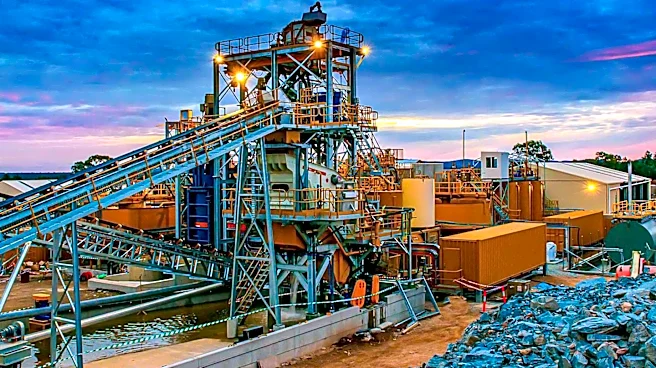
gold deposit. Its reopening is projected to create 1,000 well-paid jobs and generate approximately $860-$900 million in production annually, depending on global gold prices. The project involves open-pit mining and cyanide heap leaching, a method that has raised significant environmental concerns among activists. They warn of potential cyanide contamination of Armenia's freshwater reserves, which could harm the tourism industry in Jermuk, a town known for its mineral springs. Despite these concerns, the Armenian government, which now holds a 12.5% stake in Lydian Armenia and acts as a loan guarantor, has pushed for the mine's operation, citing economic benefits and presenting state co-ownership as a safeguard.
Why It's Important?
The reopening of the Amulsar mine highlights a critical tension between economic development and environmental protection in Armenia. While the government emphasizes the significant economic boost—including substantial tax revenues, GDP growth, and community payments—environmental experts and activists argue that these short-term gains come at the risk of long-term ecological damage and public health issues. The government's decision to become a shareholder and loan guarantor creates a potential conflict of interest, raising questions about its impartiality in assessing environmental impacts. This situation could set a precedent for future industrial projects in Armenia, influencing how the country balances its economic needs with its environmental responsibilities and the concerns of its citizens. The controversy also reflects broader global debates about sustainable mining practices and corporate accountability.
What's Next?
The mine's operations will be closely watched for their actual economic contributions and environmental impacts. Activists and environmental groups are expected to continue monitoring the situation and challenging the mine's operations through legal means and public advocacy. The effectiveness of Lydian Armenia's environmental and cyanide management plan will be a key factor in determining the long-term consequences for Armenia's water resources and the tourism sector in Jermuk. The government's role as both a stakeholder and regulator will face ongoing scrutiny. Future legal challenges against the mine's approvals and financial guarantees are also anticipated, as civil society groups continue to demand greater transparency and adherence to environmental standards.
Beyond the Headlines
The Amulsar mine controversy delves into deeper issues of governance, corporate influence, and the rights of local communities. The shift in the Armenian government's stance, from initial attentiveness to environmental concerns to actively supporting the mine, reflects complex political and economic pressures. The use of SLAPP lawsuits against activists and journalists highlights challenges to freedom of speech and public participation in environmental decision-making. Furthermore, the timing of the mine's opening, just before Armenia hosted a UN biodiversity conference, raises questions about the government's commitment to its international environmental obligations and its messaging on 'green mining.' This case serves as a microcosm of the global struggle to achieve sustainable development in resource-rich regions, where the allure of economic prosperity often clashes with the imperative of environmental stewardship.