






What's Happening?
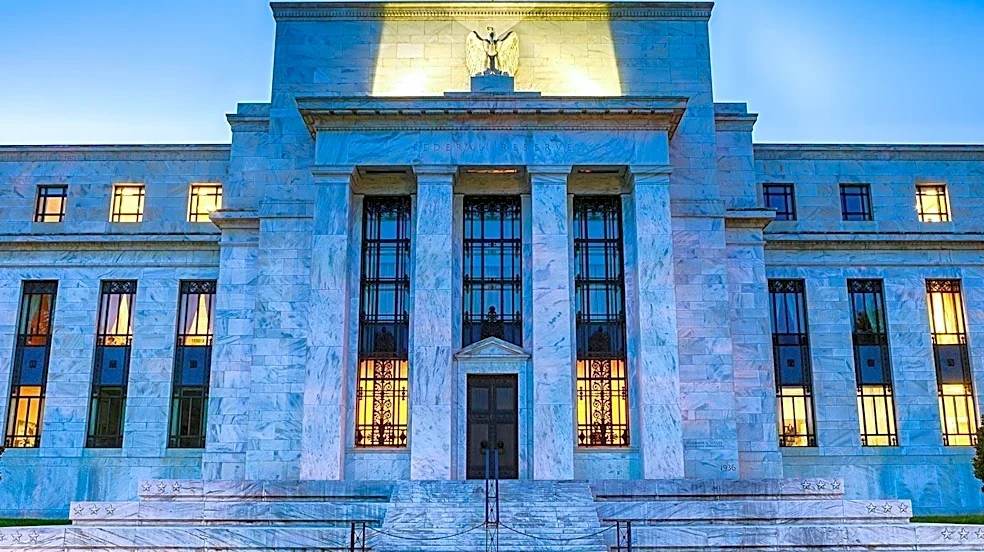
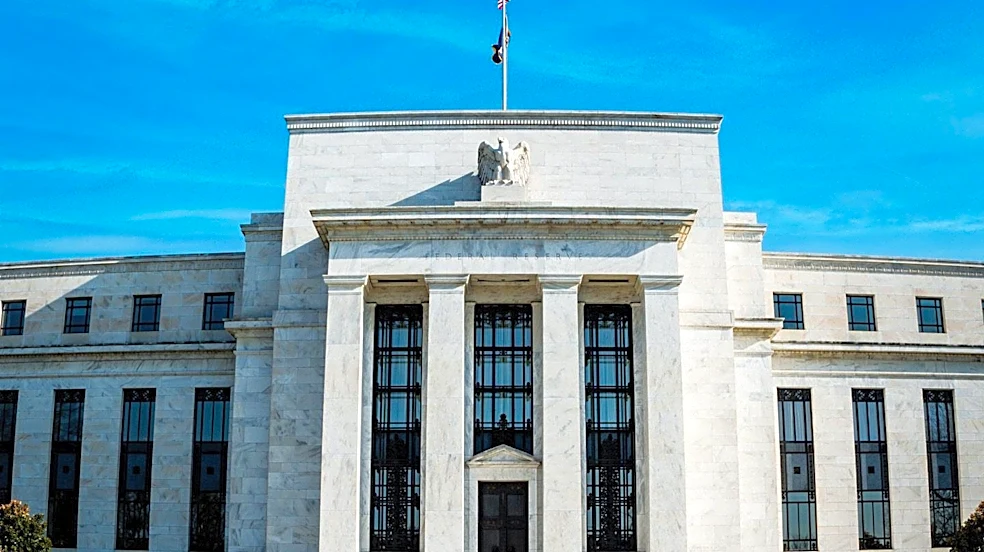
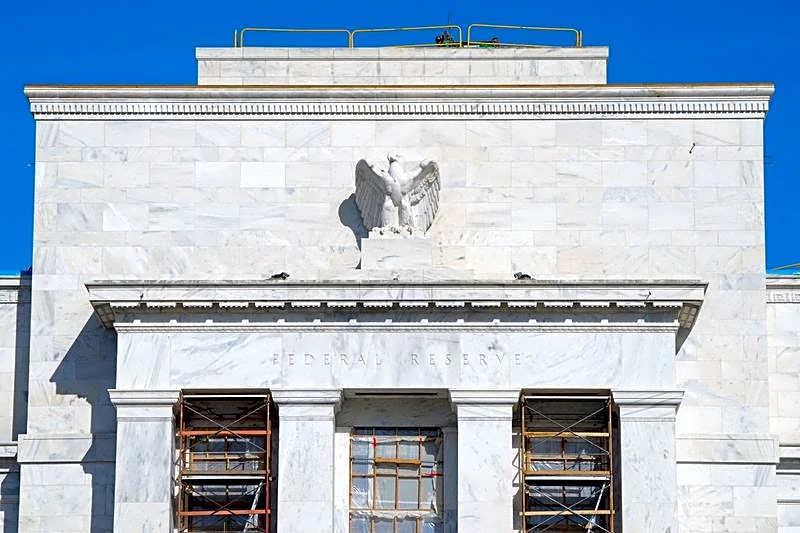
The Federal Reserve Board, in collaboration with the European Central Bank and the Federal Reserve Bank of New York, will host the seventh biennial Global Research Forum on International Macroeconomics and Finance. This event is scheduled for November
3–4, 2026, at the Federal Reserve Board in Washington, D.C. The forum aims to foster discussion on cutting-edge research concerning empirical and theoretical issues within international finance, global banking, and open economy macroeconomics. A primary focus will be on the relevance of these topics for monetary policy and financial stability. This year's forum will specifically delve into the future of international capital flows amidst a rapidly evolving global economy. Keynote speaker Mark Aguiar from Princeton University will address attendees. The organizing committee includes representatives from the Federal Reserve Bank of New York, the Federal Reserve Board, and the European Central Bank, such as Ozge Akinci, María Aristizábal-Ramírez, and Ricardo Correa.
Why It's Important?
This forum is crucial for understanding the dynamics of the global financial landscape and its implications for the U.S. economy and monetary policy. The discussions will address significant shifts, including demographics, the rise of artificial intelligence, persistent global imbalances, and evolving safe-haven dynamics, all of which are reshaping international financial flows. By focusing on these areas, the Federal Reserve aims to gain deeper insights into cross-border capital movements and exchange rate determination. The research presented and discussed will inform policymakers on potential vulnerabilities and opportunities, helping to maintain financial stability and guide monetary policy decisions in the U.S. The insights derived from this forum can influence regulatory frameworks and economic forecasts, impacting various sectors that rely on stable international financial conditions.
What's Next?
The forum will feature a keynote address by Mark Aguiar and will invite submissions of empirical or theoretical papers with an international perspective. Topics for submission include global imbalances and cross-border capital flows, exchange rate determination, the impact of artificial intelligence and technological change on international capital allocation, and the effects of demographics on global capital flows. Complete manuscripts and extended abstracts are due by May 31, 2026, with authors of accepted papers to be notified by June 30, 2026. The discussions and research presented at the forum will likely contribute to ongoing policy debates and future research agendas within the Federal Reserve System and other central banks, potentially leading to new policy considerations or adjustments in response to the evolving global economic environment.
Beyond the Headlines
The forum's emphasis on artificial intelligence and technological change in relation to international capital allocation highlights a growing recognition of technology's profound impact on global finance. This suggests a long-term shift in how central banks and financial institutions analyze and manage economic risks and opportunities. The focus on demographics, such as aging populations and labor force shifts, also points to deeper structural changes influencing international saving, investment, and capital flows. These discussions could lead to a re-evaluation of traditional economic models and policy tools, as new factors like AI and demographic shifts introduce complexities that require innovative approaches to maintain economic stability and foster sustainable growth in the U.S. and globally.