
What's Happening?
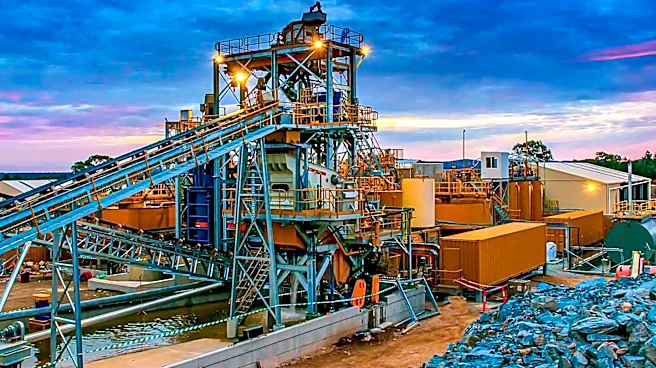
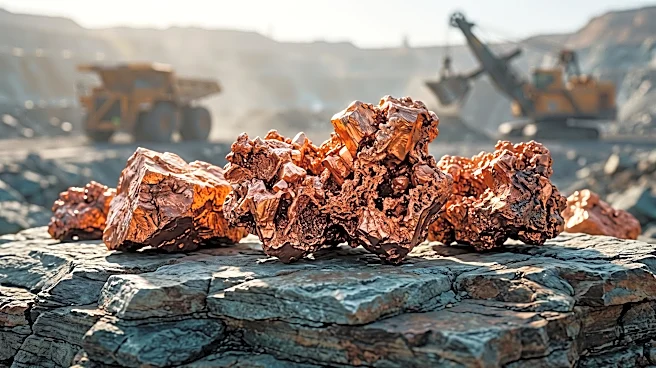
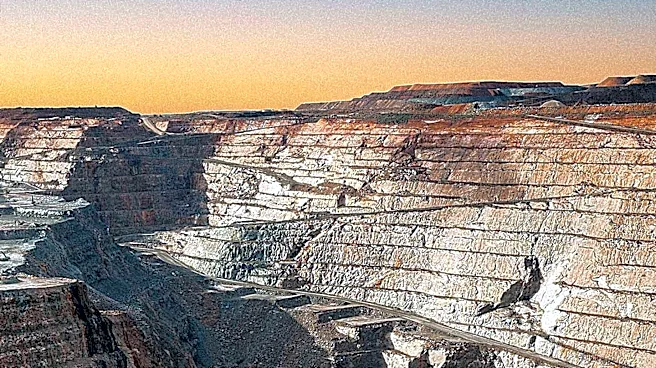
BHP Group has announced plans to invest up to US$17.4 billion to double its copper output in South Australia, aiming to reach 650,000 tonnes annually by 2040. This expansion involves growth options across
its Olympic Dam, Carrapateena, Prominent Hill, and Oak Dam operations. The initiative is part of a broader US$44.7 billion copper growth pipeline, driven by anticipated long-term demand from electrification and artificial intelligence sectors. The company's investment narrative is shifting to emphasize its low-cost iron ore and growing contributions from copper and potash, which are expected to fund these large-scale projects while maintaining shareholder returns. The South Australia copper plan places significant focus on execution and regulatory delivery, as capital will be committed over many years, and the timing of output is crucial. The appointment of Adrian Wood as the future CFO is seen as a key development, given his background in projects and finance, as BHP Group manages net debt of US$14.7 billion and a gearing ratio of 20.9%.
Why It's Important?
This substantial investment by BHP Group in copper production highlights a strategic response to the increasing global demand for critical minerals, particularly copper, which is essential for the energy transition and technological advancements like AI. For the U.S. and global markets, a significant increase in copper supply could help stabilize prices and ensure the availability of a vital resource for manufacturing and infrastructure development. The success of this project will depend on BHP's ability to manage project execution, regulatory approvals, and operating costs effectively, especially given the volatile nature of commodity prices. The financial discipline under the new CFO, Adrian Wood, will be critical in balancing large capital expenditures with shareholder returns. This expansion could also influence the competitive landscape of the global mining industry, potentially impacting other major players and their investment strategies in copper.
What's Next?
BHP Group will proceed with the execution of its South Australia copper expansion plan, which involves committing capital over many years. Key factors to monitor include the reliability of existing iron ore and copper operations in generating cash flow, the management of unit cost guidance, lower grades, and processing variability. Shareholders will be closely watching the execution quality of these projects, the consistency of dividend payouts, and any shifts in cost outcomes. Analysts' opinions on BHP Group's valuation may evolve as more details emerge regarding the South Australia copper update and its potential impact on long-term margins. The company's ability to navigate regulatory processes and maintain capital discipline will be crucial for the successful realization of its copper output targets by 2040.
Beyond the Headlines
The significant investment in copper by BHP Group underscores a broader global trend towards securing critical minerals necessary for the transition to a green economy and the advancement of digital technologies. This move reflects a long-term strategic bet on the sustained demand for copper, driven by electrification, renewable energy infrastructure, and AI applications. The ethical and environmental implications of such large-scale mining projects, including land use, water management, and community engagement, will be under scrutiny. The project's success could set a precedent for how major mining companies balance economic growth with environmental stewardship and social responsibility in the context of increasing global resource demands. Furthermore, the emphasis on project execution and capital discipline highlights the inherent risks and complexities involved in large-scale resource development in a volatile global market.