





What's Happening?
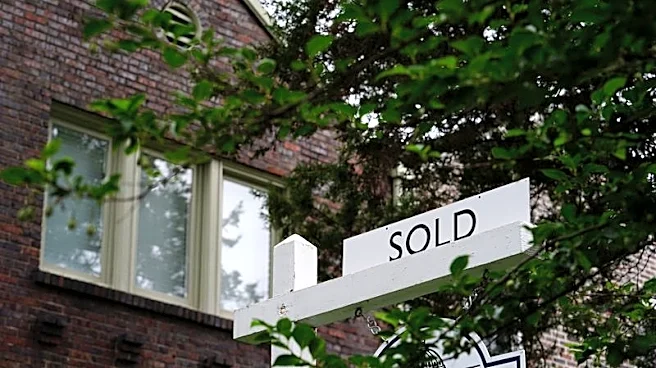
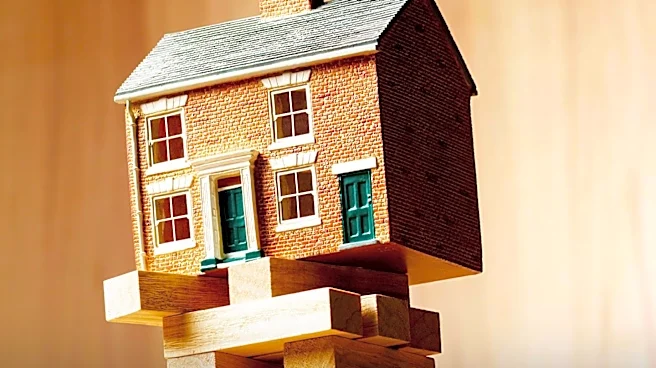
The U.S. housing market is currently in an unusual stalemate, characterized by near-record low affordability, high mortgage rates, and significantly reduced transaction volumes, yet surprisingly resilient national home prices. Despite borrowing costs
rising sharply and buyers retreating, home prices have not collapsed. This is largely due to millions of homeowners with low mortgage rates choosing to stay put, a shortage of entry-level housing construction since the Great Recession, and a substantial amount of home equity protecting existing owners from distress. Sales volume has fallen dramatically as many buyers cannot afford the combination of current home prices and mortgage rates, making monthly payments difficult. The market's resilience is also attributed to a significant wave of apartment construction, which has eased rental pressures in some areas, and the strong financial position of current homeowners compared to pre-2008 conditions.
Why It's Important?
This market stalemate has significant implications for both aspiring homeowners and the broader U.S. economy. The lack of affordable housing, particularly at the entry level, is creating a generational divide, with younger households struggling to enter the market while older generations remain in larger homes due to favorable mortgage rates. This 'mortgage lock-in effect' is paradoxically reducing housing supply, as homeowners are reluctant to sell and trade their low-interest loans for much higher current rates. The situation limits household mobility, impacts labor markets by making relocation difficult, and contributes to wealth inequality. While existing homeowners benefit from accumulated equity and low mortgage payments, the market's frozen state hinders economic dynamism and prevents a natural rebalancing of supply and demand, prolonging the affordability crisis for new buyers.
What's Next?
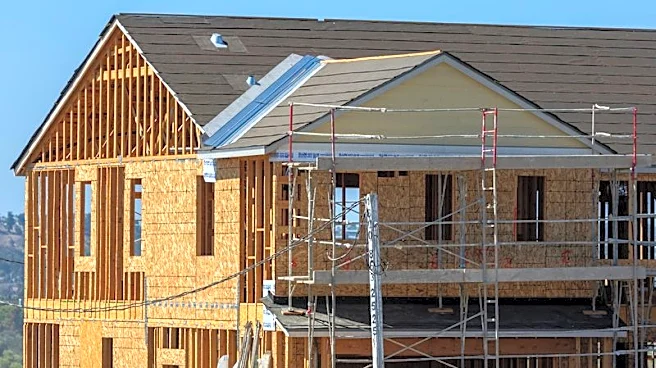
The current housing market stalemate is expected to persist until significant changes occur in mortgage rates, housing supply, or household behavior. A potential decrease in mortgage rates could 'unfreeze' the market by improving affordability for buyers and weakening the 'mortgage lock-in effect,' encouraging more homeowners to sell. However, a surge in demand from sidelined buyers could also lead to renewed price increases. Long-term solutions require a multi-faceted approach, including increased construction of entry-level homes, more productive construction methods like factory-built housing, and improved financing systems for new supply. The demographic reality of millennials entering prime homeownership years suggests a growing reservoir of pent-up demand that will eventually need to be met, regardless of short-term market fluctuations.
Beyond the Headlines
The current housing market reflects a deeper structural issue beyond simple supply and demand. The 'mortgage lock-in effect' highlights how financial incentives can override traditional life-stage decisions, leading to an inefficient allocation of housing stock. The resilience of home prices, despite affordability challenges, also points to the strong balance sheets of existing homeowners, a stark contrast to the highly leveraged market before the 2008 crisis. This suggests that while the market is challenging for new entrants, it is not on the brink of a widespread crash due to a lack of forced selling. The discussion around manufactured housing as a potential solution also brings to light the cultural and regulatory barriers to adopting more efficient construction methods, indicating a need for broader societal acceptance and policy changes to address the housing shortage effectively.