




What's Happening?
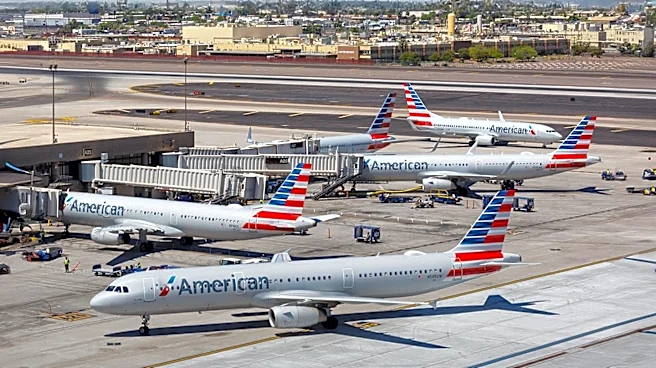
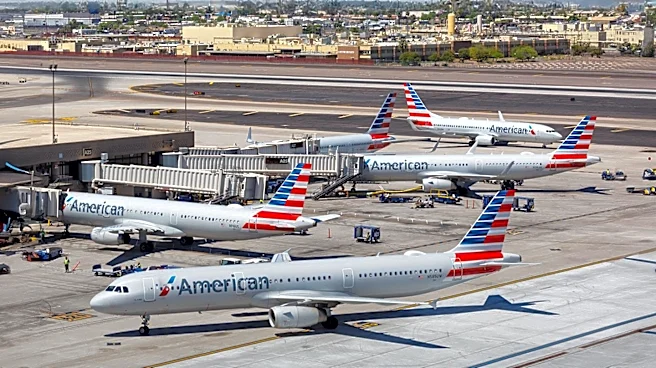
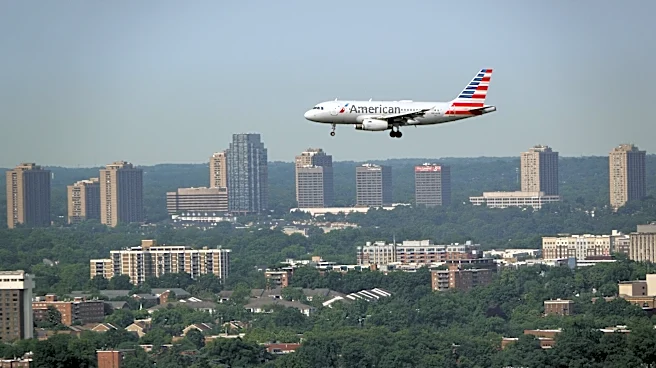
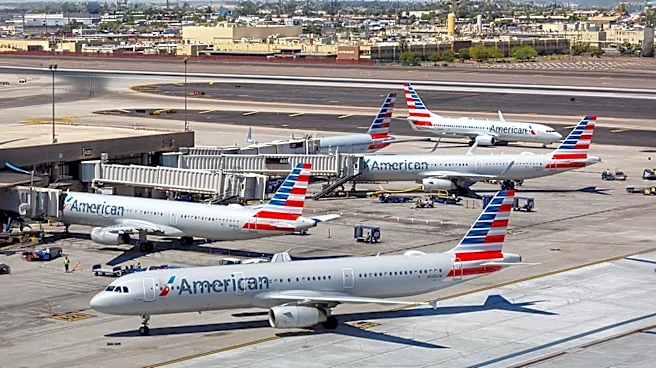
American Airlines' flight attendant and pilot unions have renewed their calls for a change in leadership after the airline struggled to recover from a nationwide FAA ground stop on November 13. The unions, specifically the Association of Professional
Flight Attendants (APFA) and the Allied Pilots Association (APA), criticized the airline's operational readiness, despite recent investments in premium cabins and lounges. They argue that the disruption exposed significant planning and staffing failures. The FAA ground stop lasted over four hours, leading to American Airlines canceling approximately 42% of its scheduled flights on November 14 and about 22% on November 15. Union leaders Julie Hedrick and Nick Silva reported that crews were stranded, unable to reach informed contacts, or secure hotel rooms. The APFA board had previously voted unanimously in February to express no confidence in CEO Robert Isom, and the APA sought a direct meeting with American's board, which was declined in favor of a meeting with Isom.
Why It's Important?
The renewed pressure from American Airlines' unions highlights ongoing concerns about the airline's operational stability and management effectiveness. This situation is critical for the U.S. airline industry, as operational failures can lead to widespread travel disruptions, impacting thousands of passengers and the broader economy. For American Airlines, continued union dissatisfaction could lead to further internal strife, potentially affecting employee morale, productivity, and customer service. The criticism suggests that despite financial investments in customer-facing amenities, underlying operational issues persist, which could erode passenger trust and market share. The airline's ability to effectively manage disruptions is crucial for its financial performance and reputation, especially in a competitive and highly regulated industry.
What's Next?
American Airlines executives have stated they have a plan to address these issues, and analysts largely agree that the company is making appropriate moves, albeit years behind schedule. Chief Operating Officer Ian Seymour is scheduled to depart at year-end, which could signal further management changes. The unions' continued advocacy for leadership change suggests that internal pressure will remain high. The airline will likely face scrutiny regarding its strategies for improving operational resilience and crew support. Future disruptions, whether due to weather or technical issues, will serve as critical tests of any implemented changes. The outcome of these internal pressures and operational improvements will significantly influence American Airlines' standing in the U.S. aviation market.
Beyond the Headlines
This situation extends beyond immediate operational concerns, touching upon the broader relationship between labor unions and corporate management in the U.S. airline sector. The unions' public criticism, including votes of no confidence, underscores a fundamental disconnect between the workforce and leadership regarding strategic priorities and operational execution. While management focuses on revenue growth and premium offerings, the unions emphasize the need for robust infrastructure and support systems for their members, which directly impact service delivery. This dynamic highlights the challenge of balancing shareholder interests with employee welfare and operational integrity, a common tension in large, complex organizations. The long-term implications could include shifts in corporate governance models or increased regulatory oversight if operational issues persist across the industry.