


What's Happening?
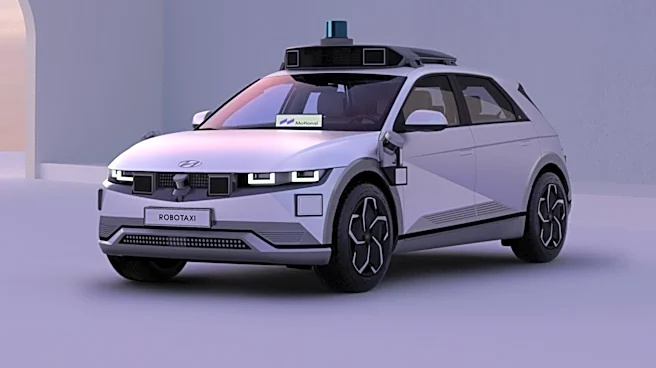
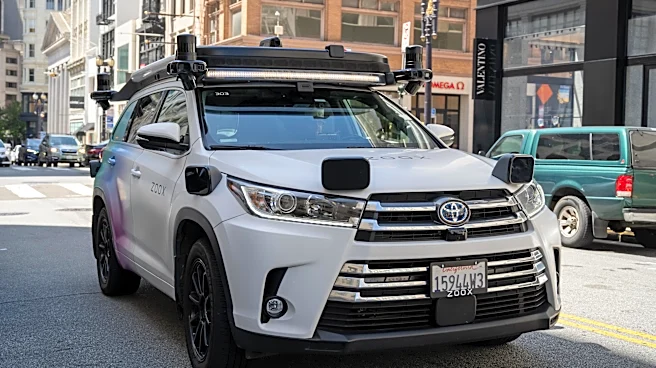
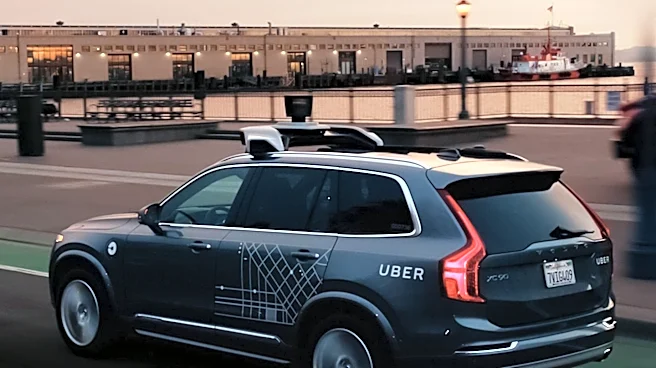
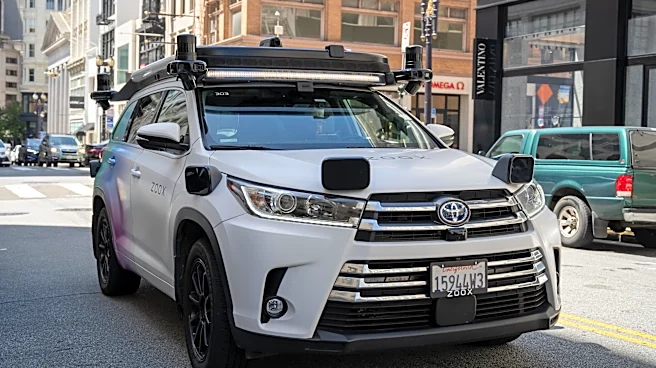
Uber is integrating Zoox robotaxis into its ride-hailing application in Las Vegas, with Motional also serving as a driverless partner. This initiative allows customers in Las Vegas to access autonomous ride options, creating a real-world scenario where
they can compare robotaxi services with traditional human-driven trips. Currently, Uber matches riders with available Zoox vehicles, and customers have the option to decline a robotaxi. The company plans to introduce a dedicated autonomous ride option as the availability and reliability of these driverless services improve. This development positions Las Vegas as a key testing ground for the broader adoption of robotaxi technology, offering riders access to two distinct driverless services through the Uber platform.
Why It's Important?
This integration marks a significant step in the commercialization and public acceptance of autonomous vehicle technology in the U.S. By offering both robotaxi and human-driven options, Uber is directly enabling consumers to experience and evaluate driverless services, which could accelerate or hinder their widespread adoption. The success of this pilot in Las Vegas could influence regulatory frameworks and investment decisions for autonomous vehicle companies nationwide. For the transportation industry, it represents a potential shift in operational models, impacting traditional taxi and ride-sharing drivers, while creating new opportunities for technology providers like Zoox and Motional. The data gathered from customer preferences and operational efficiency in Las Vegas will be crucial for understanding the economic viability and consumer demand for robotaxis.
What's Next?
Uber intends to introduce a dedicated autonomous ride option within its app as the reliability and availability of robotaxi services in Las Vegas advance. This suggests a phased rollout, starting with optional matching and progressing to a more prominent, selectable service. The performance of Zoox and Motional's vehicles, particularly concerning safety, efficiency, and customer satisfaction, will likely dictate the pace of expansion to other U.S. cities. Regulatory bodies will closely monitor this deployment, potentially using the insights gained to develop or refine policies for autonomous vehicle operations. Competitors in the ride-hailing and autonomous vehicle sectors will also be observing the outcomes to inform their own strategies and market entries.
Beyond the Headlines
The deployment of robotaxis in Las Vegas raises deeper questions about the future of urban mobility, employment, and public infrastructure. The potential for reduced traffic congestion, lower operational costs for ride-hailing companies, and enhanced accessibility for certain populations are significant. However, it also brings challenges related to job displacement for human drivers, the ethical implications of autonomous decision-making in complex scenarios, and the need for robust cybersecurity measures to protect these interconnected vehicles. The public's perception of safety and trust in driverless technology will be a critical factor in its long-term success, potentially leading to societal debates about the balance between technological advancement and human control.