






What's Happening?
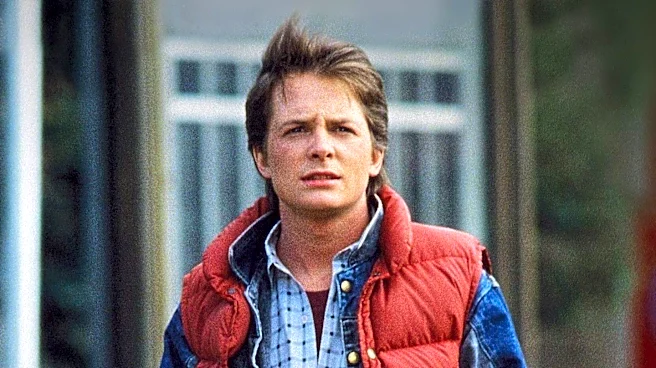
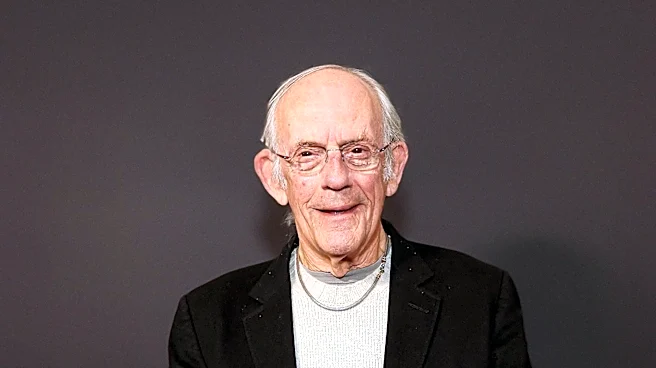
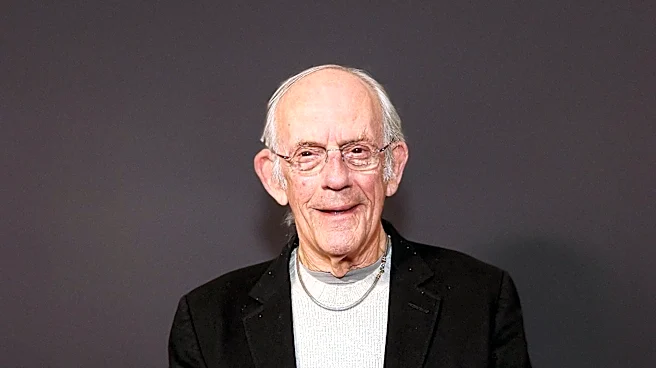
Christopher Lloyd, known for his role as Doc Brown in the 'Back to the Future' trilogy, has revealed a lingering regret concerning a stunt in 'Back to the Future Part III'. In his newly released memoir, 'In My Own Time', Lloyd recounts a scene involving
a horseback chase alongside a moving train. Despite training extensively with his horse to ride close to the steam engine, he was instructed not to perform the final leap from the horse onto the train. A professional stuntman completed this part of the sequence. Lloyd, now 88, expresses a 'pang in his heart' whenever he watches the film, feeling he 'should have done it,' even while acknowledging the production's sound decision to use a stunt double due to the inherent risks. He describes being within reach of the train and feeling capable of making the jump.
Why It's Important?
This revelation offers a unique insight into the personal experiences and professional decisions made during the production of a highly iconic American film series. For fans of 'Back to the Future', it provides a deeper understanding of the actors' involvement and the behind-the-scenes challenges of filmmaking. From an industry perspective, it highlights the constant tension between an actor's desire for authenticity and a production's need for safety and efficiency. Lloyd's regret underscores the emotional investment actors often have in their roles and the physical demands of their craft, even when safety protocols dictate otherwise. It also subtly touches upon the role of stunt performers, who often execute the most dangerous sequences to protect lead actors and the production schedule.
What's Next?
The release of Christopher Lloyd's memoir, 'In My Own Time', is likely to generate renewed interest in the 'Back to the Future' franchise and its cast. Discussions surrounding his regret may prompt further interviews or retrospectives on the making of the films, potentially bringing more behind-the-scenes stories to light. The memoir has already facilitated a public conversation between Lloyd and his co-star Michael J. Fox, suggesting that more collaborative appearances or discussions could follow. This could lead to a resurgence in fan engagement, potentially through special screenings, Q&A sessions, or new merchandise related to the trilogy, as audiences revisit the beloved films with this new context.
Beyond the Headlines
Lloyd's candid admission about his regret touches upon broader themes within the entertainment industry, particularly the balance between artistic ambition and practical limitations. It raises questions about the psychological impact of such decisions on performers, who might feel a sense of missed opportunity or unfulfilled potential when unable to execute a challenging scene themselves. Furthermore, it subtly highlights the often-unseen contributions of stunt professionals, whose work is crucial but frequently goes uncredited in the public eye. The enduring popularity of 'Back to the Future' and the continued interest in its stars, decades after its release, also speaks to the lasting cultural impact of certain cinematic works and the deep connection audiences form with their characters and the actors who portray them.