








What's Happening?
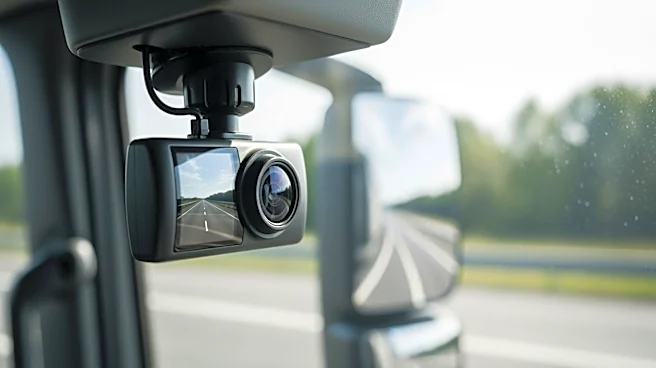
The American Transportation Research Institute (ATRI) has launched a new research study titled 'Safety Impacts of In-Cab Monitoring' to evaluate the effects of driver-facing cameras and other in-cab monitoring systems on safety and operational performance.
The study aims to collect before-and-after safety data to identify any statistical relationships between the use of these systems and improvements in safety outcomes. ATRI is inviting motor carriers to participate in the study by submitting data, which will be kept confidential and published only in aggregate form. The deadline for participation is July 24. This initiative builds on previous ATRI research that focused on driver perspectives regarding in-cab monitoring systems, particularly driver-facing cameras.
Why It's Important?
This study is significant as it seeks to provide empirical evidence on the effectiveness of driver-facing cameras in enhancing fleet safety. The findings could influence industry standards and practices, potentially leading to widespread adoption of such technologies if proven beneficial. Improved safety outcomes could reduce accident rates, lower insurance costs, and enhance overall operational efficiency for motor carriers. Additionally, understanding the impact of in-cab monitoring systems could help address privacy concerns and improve driver acceptance of these technologies. The study's results may also inform regulatory decisions and policies related to transportation safety.
What's Next?
Following the data collection phase, ATRI will analyze the submitted information to determine the impact of driver-facing cameras on safety metrics. The results could lead to recommendations for best practices in managing in-cab data and strategies for integrating these systems into fleet operations. Depending on the findings, there may be increased advocacy for the adoption of driver-facing cameras across the industry. Stakeholders, including motor carriers, insurance companies, and regulatory bodies, will likely review the study's outcomes to guide future decisions on transportation safety technologies.