
What's Happening?
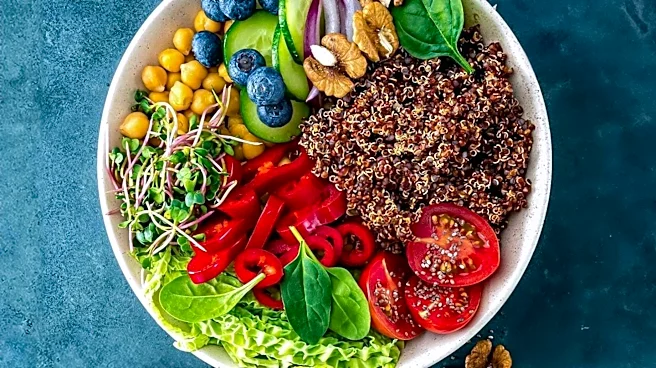
An anti-inflammatory diet is a dietary approach centered on consuming minimally processed, whole foods to reduce bodily inflammation. This eating style is not a strict regimen but rather a general framework,
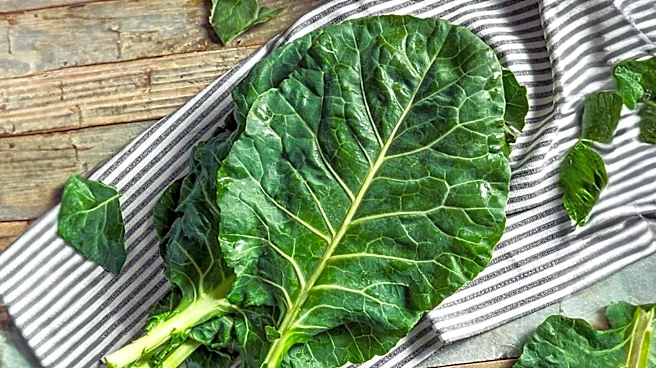
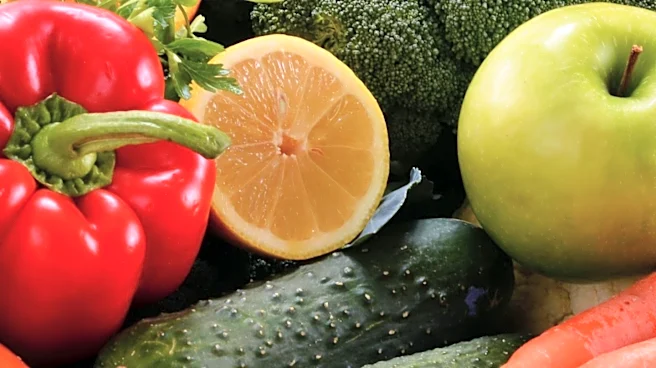
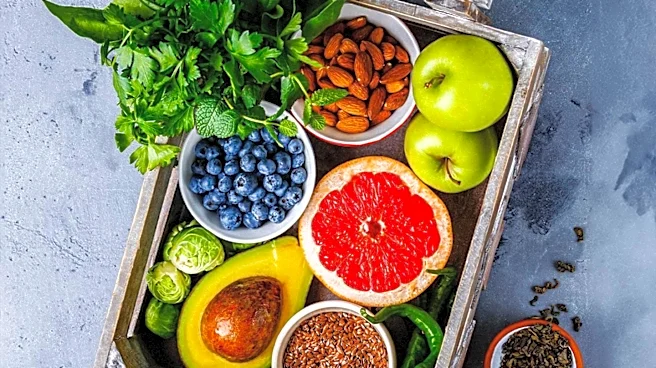
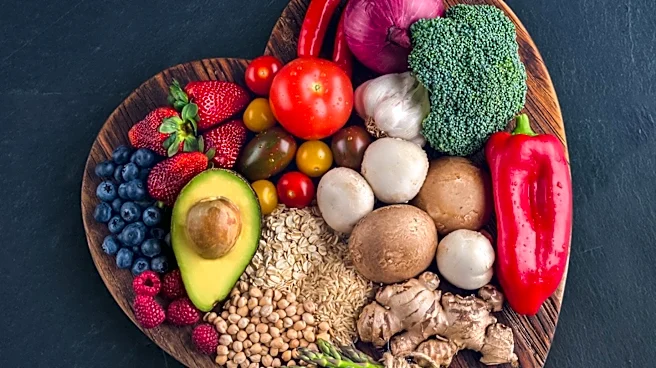
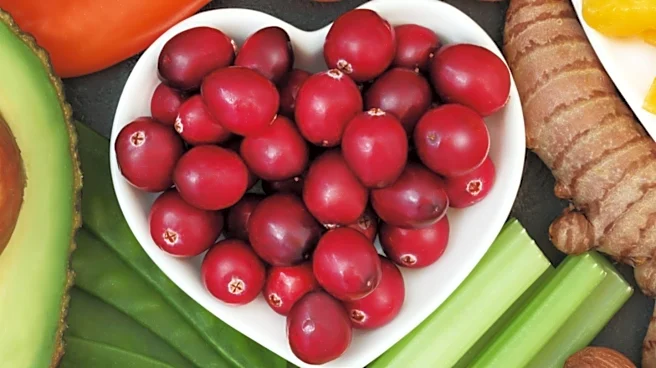
closely resembling the Mediterranean Diet. It aims to mitigate inflammation, which has been linked to various chronic conditions such as heart disease, cancer, diabetes, arthritis, depression, and Alzheimer's. Key components of this diet include vegetables, beans, fruit, healthy fats, and whole grains, while actively minimizing refined sugar, processed foods, and refined carbohydrates. The focus is on overall eating habits, recognizing that no single food acts as a cure-all. Foods that contribute to inflammation, such as processed meats, refined sugars, fried foods, and ultra-processed snacks, are recommended to be consumed in moderation within a balanced, whole foods-rich diet.
Why It's Important?
The emphasis on an anti-inflammatory diet is crucial due to the growing understanding of chronic inflammation's role in numerous health issues affecting millions in the U.S. and globally. By adopting this dietary framework, individuals can potentially lower their risk of developing or managing chronic diseases like heart disease, diabetes, and certain cancers. The diet's focus on whole, nutrient-dense foods aligns with broader public health recommendations for improved well-being. For the healthcare industry, this approach highlights the importance of preventative care and lifestyle interventions in managing chronic conditions, potentially reducing the burden on treatment-focused healthcare systems. Consumers stand to gain improved health outcomes and a better quality of life by making informed dietary choices that prioritize anti-inflammatory foods and limit inflammatory ones.
What's Next?
The continued promotion and research into anti-inflammatory diets are expected to influence public health guidelines and dietary recommendations. Nutritionists and healthcare providers may increasingly integrate these principles into patient education and treatment plans for chronic diseases. Food manufacturers might respond by developing more minimally processed, whole-food options to meet consumer demand for healthier choices. Educational campaigns could further inform the public about the benefits of reducing inflammation through diet, potentially leading to a broader shift in eating habits across the U.S. Future research will likely continue to explore the specific mechanisms through which various foods impact inflammation and their long-term effects on health.
Beyond the Headlines
Beyond the immediate health benefits, the anti-inflammatory diet reflects a broader societal shift towards holistic health and preventative medicine. It underscores the ethical dimension of food production and consumption, encouraging a move away from highly processed, nutrient-poor foods that contribute to public health crises. Culturally, this dietary approach challenges the convenience-driven food landscape by advocating for more mindful eating and home cooking. Legally, there could be future implications for food labeling and advertising, with increased scrutiny on products that contribute to inflammation. The long-term impact could include a re-evaluation of agricultural practices to support the production of whole, nutrient-dense foods, fostering a more sustainable and health-conscious food system.