






What's Happening?
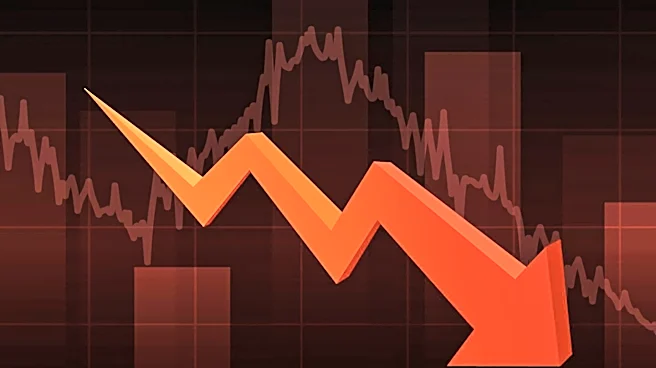
The Dow Jones Industrial Average closed in the red following the release of a government report on Wednesday, indicating that inflation rose by 3.7% in September compared to the previous year. This increase is primarily attributed to higher energy costs.
CBS News business contributor Javier David provided analysis on the report. The inflation data highlights ongoing economic pressures, particularly concerning the rising expenses for consumers and businesses due to energy prices. This marks a significant economic development, influencing market performance and financial outlooks across the U.S. The report's findings underscore the persistent challenge of managing inflation within the current economic climate, impacting various sectors and consumer purchasing power.
Why It's Important?
This inflation report is crucial for several reasons. A 3.7% jump in inflation, largely driven by energy costs, directly impacts the purchasing power of American consumers, making everyday goods and services more expensive. For businesses, higher energy costs translate to increased operational expenses, which can lead to reduced profit margins or necessitate price increases, further fueling inflation. The Dow's negative reaction reflects investor concerns about the economy's stability and the potential for the Federal Reserve to implement further monetary tightening measures to combat inflation. This economic environment can also influence wage negotiations, as workers seek higher pay to offset rising living costs, potentially creating a wage-price spiral. Ultimately, sustained high inflation can erode savings, deter investment, and slow economic growth, affecting the financial well-being of millions of Americans and the overall U.S. economic landscape.
What's Next?
In the immediate future, market participants will closely monitor upcoming economic indicators, particularly those related to energy prices and consumer spending, to gauge the trajectory of inflation. The Federal Reserve will likely consider this inflation data when deliberating on future interest rate decisions, with potential implications for borrowing costs for consumers and businesses. Policymakers may face increased pressure to address the rising cost of living, possibly through fiscal measures or regulatory actions aimed at stabilizing energy markets. Businesses might continue to adjust their pricing strategies and supply chain management to mitigate the impact of higher costs. Consumers, in turn, may need to adapt their spending habits in response to persistent inflationary pressures, potentially leading to shifts in retail and service sectors. The ongoing debate around economic policy will intensify as stakeholders seek solutions to manage inflation without stifling economic growth.
Beyond the Headlines
Beyond the immediate market reactions, the persistent inflation, particularly driven by energy costs, points to deeper structural issues within the U.S. economy and global supply chains. The reliance on fossil fuels and the volatility of international energy markets continue to pose significant economic risks. This situation could accelerate the push towards renewable energy sources and domestic energy independence as a long-term strategy to mitigate inflationary pressures from energy price fluctuations. Furthermore, the report highlights the delicate balance policymakers must strike between controlling inflation and avoiding a recession. The social implications are also significant, as rising costs disproportionately affect lower-income households, potentially exacerbating economic inequality and leading to increased social unrest or demands for government intervention. The long-term shift in consumer behavior and business strategies in response to sustained inflation could reshape various industries and economic sectors, fostering innovation in cost-saving measures and alternative resource development.