




What's Happening?
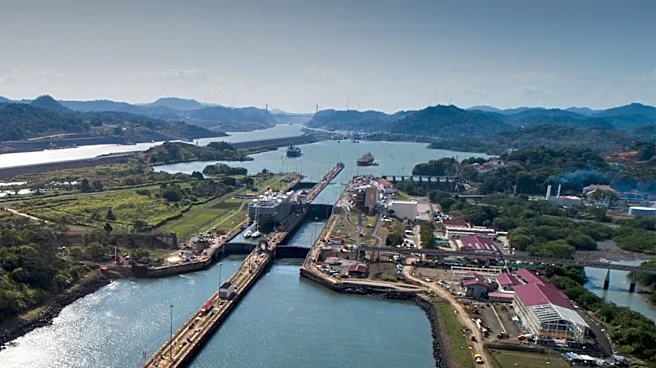
The Panama Canal is set to increase its daily transit slots for Neopanamax vessels to 10, effective October 15, bringing the total daily capacity across both Neopanamax and Panamax locks to 33 vessels. This decision follows improved water conditions,
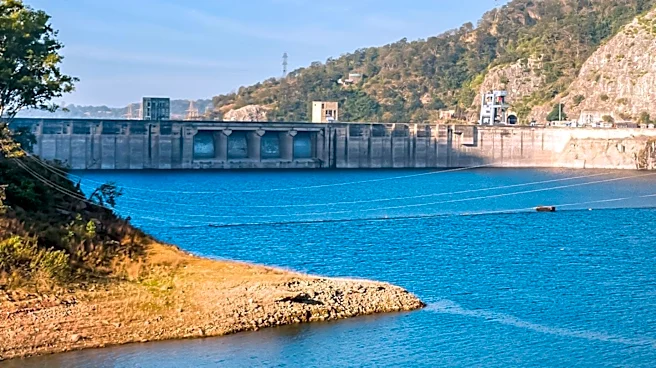
with close-to-average rainfall across the watershed and effective water-saving measures implemented at the locks. Additionally, the maximum authorized Neopanamax draft has been raised to 49 feet, effective immediately. These adjustments aim to alleviate some of the operating restrictions that have impacted agricultural and other bulk shipments through the vital waterway. Despite these positive changes, Canal officials caution that a water deficit persists in the watershed, and vessels without prior reservations may still experience indefinite delays, as the booking system remains the sole method to guarantee a transit date. Further operational modifications will be contingent on continued rainfall and the water levels of Gatun Lake.
Why It's Important?
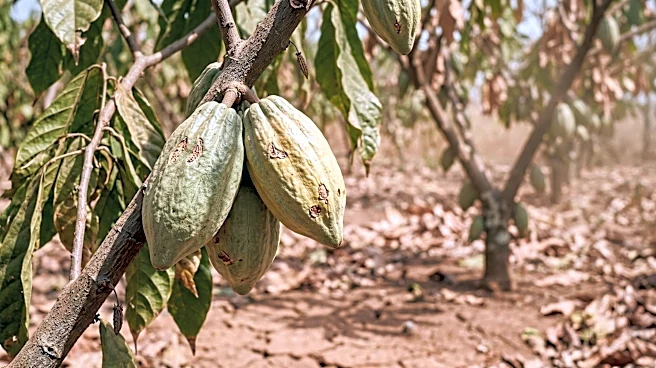
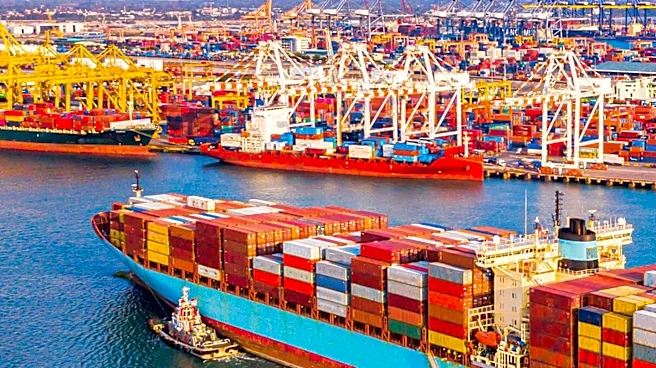
The expansion of transit capacity and increased draft at the Panama Canal holds significant importance for global trade, particularly for U.S. industries reliant on the waterway for shipping agricultural products, energy, and other commodities. The Canal's previous restrictions, driven by drought conditions, led to longer transit times and higher shipping costs, impacting supply chains and the competitiveness of U.S. exports. With improved capacity, U.S. farmers and energy producers can expect more predictable and efficient transportation of their goods to international markets, potentially reducing logistical bottlenecks and associated expenses. This development could also positively influence commodity prices by ensuring a smoother flow of goods. However, the lingering water deficit and the continued reliance on a reservation system highlight the ongoing vulnerability of this critical trade artery to environmental factors, underscoring the need for long-term solutions to ensure its reliability for global commerce.
What's Next?
Looking ahead, the Panama Canal Authority will continue to closely monitor rainfall patterns and Gatun Lake levels, which will dictate any further adjustments to transit capacity and draft restrictions. The current improvements, while beneficial, do not signify a complete recovery, and the Canal's operational flexibility remains tied to environmental conditions. Stakeholders in the shipping and commodity sectors will be watching for sustained improvements in water levels to ensure long-term stability. The ongoing water deficit suggests that the Canal may explore additional water management strategies or infrastructure projects to enhance resilience against future droughts. For U.S. businesses, continued vigilance regarding shipping schedules and potential delays, especially for unreserved transits, will be necessary. The situation also emphasizes the broader implications of climate change on critical global infrastructure and trade routes.
Beyond the Headlines
The Panama Canal's struggle with water levels and its subsequent operational adjustments underscore a deeper global challenge: the increasing impact of climate change on vital economic infrastructure. The Canal, a marvel of engineering, is inherently dependent on a delicate hydrological balance, making it highly susceptible to shifts in weather patterns. This situation highlights the interconnectedness of environmental health and global commerce. Beyond the immediate economic implications, the Canal's challenges could prompt a re-evaluation of global supply chain resilience and diversification strategies. Companies might consider alternative shipping routes or invest in more localized production to mitigate risks associated with climate-vulnerable choke points. Furthermore, it could accelerate discussions and investments in sustainable water management practices and climate adaptation strategies for other critical infrastructure worldwide, emphasizing that environmental stewardship is not merely an ecological concern but a fundamental economic imperative.