





What's Happening?
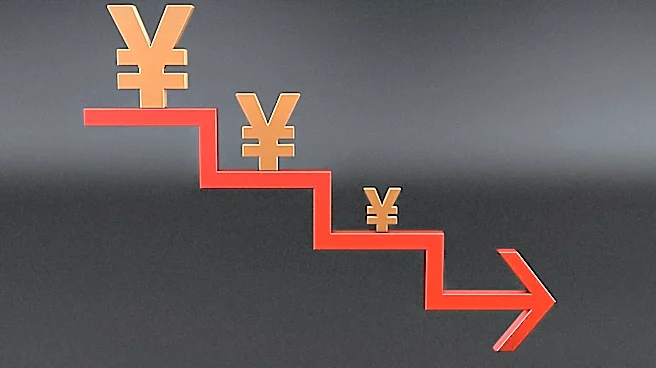
Japan's steel exports are forecast to fall below 29 million tonnes in 2026, marking the weakest annual total since 1999, when shipments were 28 million tonnes. This projection, cited by BigMint and Japan Metal Daily, follows a 16.1% year-on-year decline
in steel product exports in October to 2.11 million tonnes, according to data from Japan's Ministry of Finance. Cumulative shipments from January through October reached approximately 23.4 million tonnes, suggesting the full-year figure could drop even lower than 28 million tonnes. This downward trend is attributed to soft demand in overseas markets, particularly in Asia, and increasing competition from Chinese steel exports, which exceed 100 million tonnes annually. Additionally, production disruptions at Japanese steelmakers have contributed to reduced output and hindered recovery in shipments. In contrast, Japan's steel imports rose 16% year-on-year in October to 651,000 tonnes, with increased supplies from South Korea and China.
Why It's Important?
While this news primarily concerns Japan's steel industry, it has broader implications for the global steel market, including potential indirect effects on the U.S. steel sector. The significant increase in Chinese steel exports, a key factor in Japan's declining exports, could intensify global competition and potentially lead to lower steel prices internationally. This could put pressure on U.S. steel producers, who might face increased competition from cheaper imports if global oversupply becomes more pronounced. The U.S. steel industry has historically advocated for protectionist measures against what it perceives as unfair trade practices, particularly from countries with high export volumes. A weakening Japanese steel export market, coupled with strong Chinese exports, could reignite debates about trade tariffs and quotas in the U.S. to safeguard domestic production and employment. Furthermore, the shift in global steel trade dynamics could influence investment decisions and strategic planning for U.S. steel companies.
What's Next?
The trajectory of Japan's steel exports will likely continue to be influenced by global demand, particularly in Asian markets, and the volume of Chinese steel exports. Japanese steelmakers may need to adapt their strategies, potentially focusing more on domestic demand or higher-value specialty steel products to offset declining export volumes. The Japanese Ministry of Economy, Trade and Industry's request for a significant budget increase for green transformation measures in fiscal year 2027, totaling 1.26 trillion yen (7.88 billion dollars), indicates a strategic shift towards sustainable practices. This investment could lead to the development of more environmentally friendly steel production methods, potentially creating new market opportunities or setting new industry standards that could eventually impact global steel production and trade, including for U.S. companies.
Beyond the Headlines
The decline in Japan's steel exports highlights a broader global economic trend where industrial powerhouses are grappling with evolving market dynamics, including the rise of new competitors and shifts in global demand. The increasing dominance of Chinese steel exports underscores the ongoing challenges of global overcapacity in certain industrial sectors. For the U.S., this situation could prompt a re-evaluation of its trade policies and industrial strategies to ensure the competitiveness and resilience of its domestic steel industry. The emphasis on 'green transformation' by Japan's Ministry of Economy, Trade and Industry also points to a future where environmental sustainability will play an increasingly critical role in industrial policy and international trade, potentially leading to new forms of trade barriers or incentives based on environmental performance. This could create both challenges and opportunities for U.S. steel producers as they navigate a changing global landscape.