




What's Happening?
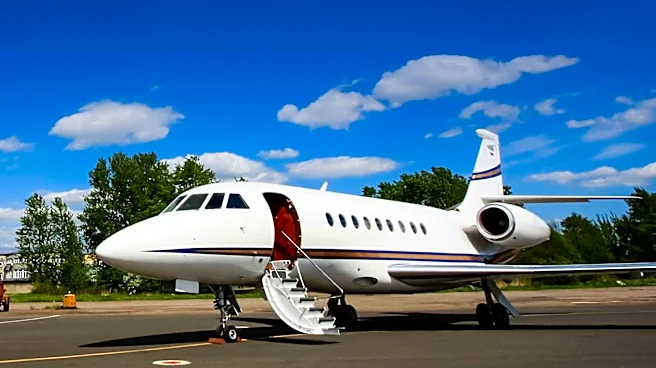
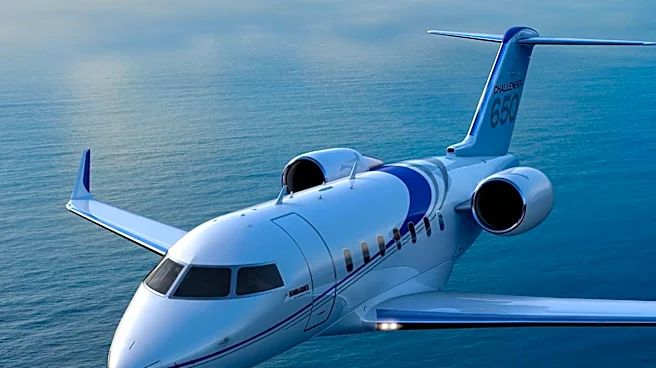
A Dassault Falcon 900LX, registered N47EG and associated with Michael Bloomberg, executed a 2,185 nautical mile (2,515 miles) flight from Teterboro to Chicago/West Chicago on Saturday, November 28, 2026. The aircraft departed Teterboro at 15:45 UTC and landed
at 21:51 UTC, resulting in a flight duration of 6 hours and 6 minutes. During the flight, the Falcon 900LX reached a maximum altitude of 40,200 feet and a top ground speed of 437 knots. The journey consumed an estimated 1,954 US gallons of fuel, generating approximately 18,767 kilograms of CO2. This trip utilized 46 percent of the aircraft's 4,750 nautical mile range. The Falcon 900LX is designed to accommodate up to 14 passengers, boasts a service ceiling of 51,000 feet, and has a top speed of Mach 0.87 (482 knots). Its estimated fuel consumption is 320 US gallons per hour. The aircraft's home base is Newark Liberty International Airport in New Jersey, located 638 nautical miles from Chicago/West Chicago. Prior to this flight, the aircraft had been on the ground at Teterboro for approximately 21 hours since its last tracked landing on November 27. This marks the first recorded landing at Chicago/West Chicago by one of Bloomberg's aircraft within the tracking period from September 5 to November 27, 2026.
Why It's Important?
The extended nonstop flight of Michael Bloomberg's Falcon 900LX highlights the operational capabilities and scheduling flexibility afforded by owner-operated large-cabin jets, contrasting with the constraints of commercial airline networks. This demonstrates how high-net-worth individuals and corporate entities can optimize travel based on aircraft performance rather than fixed routes, which has implications for business efficiency and executive mobility. The detailed tracking of fuel burn and emissions for each trip underscores the growing scrutiny on the environmental impact of private aviation. As sustainability concerns rise, the carbon footprint of private jet travel is becoming a more prominent issue, potentially influencing future regulations or public perception. The ability of such aircraft to cover significant distances efficiently supports rapid decision-making and presence in multiple locations, which can be a critical advantage in fast-paced business and political environments. The data collected from these flights contributes to a broader understanding of private air travel patterns and resource consumption.
What's Next?
The continued tracking and reporting of private jet movements, including fuel consumption and emissions, suggest an ongoing focus on the environmental accountability of private aviation. This trend could lead to increased pressure for the adoption of more sustainable aviation fuels or the implementation of carbon offset programs within the private jet sector. For individuals like Michael Bloomberg, who are often in the public eye, such data can influence public perception and potentially inform discussions around wealth, privilege, and environmental responsibility. The operational data from these flights may also contribute to advancements in aircraft management and flight planning, aiming to optimize efficiency and reduce environmental impact. As technology evolves, there may be further developments in real-time tracking and public disclosure of private jet activities, potentially leading to new industry standards or voluntary commitments from operators.
Beyond the Headlines
The detailed flight information, including fuel consumption and CO2 emissions, provides a tangible example of the environmental impact associated with private air travel. This data can fuel broader discussions about the carbon footprint of ultra-high-net-worth individuals and corporations, potentially leading to calls for greater transparency and accountability in private aviation. The contrast between the flexibility of private jets and the limitations of commercial airlines also highlights disparities in travel options and their associated environmental costs. This could prompt ethical considerations regarding the balance between individual convenience and collective environmental responsibility. Furthermore, the ability to track such flights publicly raises questions about privacy for prominent figures and the extent to which their movements should be subject to public scrutiny, especially when those movements have environmental implications. The ongoing collection of this data contributes to a larger narrative about sustainability and the role of various sectors in addressing climate change.