




What's Happening?
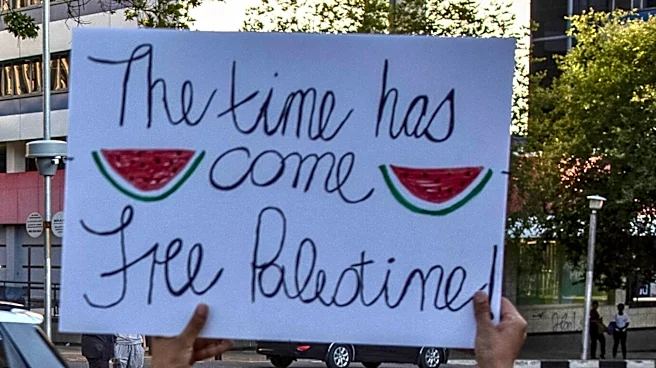
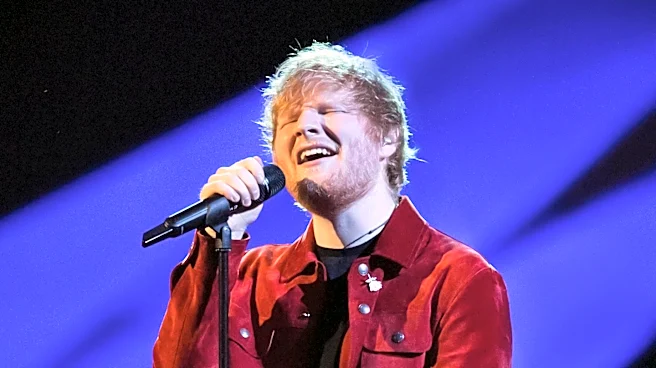
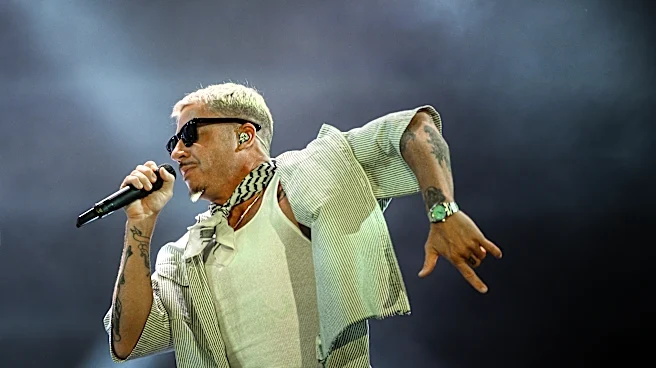
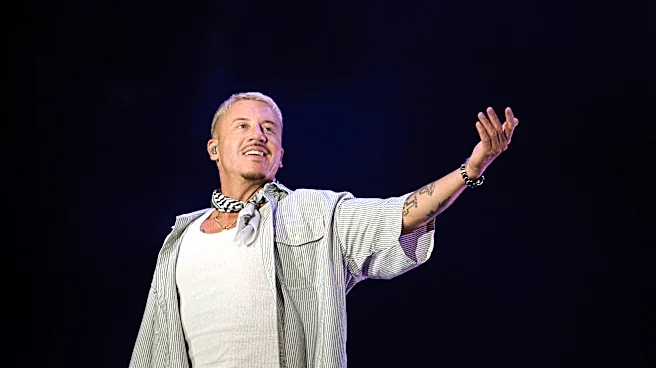
The Israeli-American Council (IAC) is calling for rapper Macklemore to be removed from Ed Sheeran's U.S. tour. This demand follows Macklemore's performances at MetLife Stadium in New Jersey, where he chanted 'Free Palestine' and accused Israel of apartheid
and genocide. During his sets, Macklemore dedicated his 2024 song 'Hind's Hall' to the 'bravery of Columbia University students' and the 'encampment movement.' He stated his desire for the words 'Free Palestine' to be heard clearly, assuring people from Gaza to the West Bank that they are supported. The IAC has initiated a petition urging Ed Sheeran not to allow his stage to be used for 'one-sided political propaganda' and to drop Macklemore from the remaining nine dates of the tour. Macklemore addressed the Jewish community directly, clarifying that his criticism of Israel, apartheid, and genocide is not a criticism of them, and that his message is for peace, love, and dignity for all human beings.
Why It's Important?
This incident highlights the increasing intersection of celebrity platforms and geopolitical conflicts, particularly the Israeli-Palestinian conflict, within the U.S. entertainment landscape. The call for Macklemore's removal by the Israeli-American Council underscores the significant pressure that advocacy groups can exert on artists and concert promoters. It reflects a broader societal debate on freedom of speech versus the potential for perceived political propaganda on public stages. For the entertainment industry, such controversies can lead to difficult decisions regarding artist contracts, tour logistics, and public relations, potentially impacting financial outcomes and brand image. The situation also demonstrates the power of social media in amplifying both the artists' messages and the public's reactions, influencing the discourse around sensitive international issues among American audiences. This event could set a precedent for how artists and promoters navigate politically charged statements during performances, especially when they touch upon deeply divisive global events.
What's Next?
The immediate next steps involve the response, or lack thereof, from Ed Sheeran, his representatives, and the concert promoters AEG and the Messina Group, none of whom have yet commented. The IAC's petition will continue to gather signatures, aiming to increase pressure for Macklemore's removal. Depending on the outcome, this situation could lead to further public statements from Macklemore, Ed Sheeran, or the tour organizers. It may also prompt other artists to consider the implications of making political statements during their performances, potentially leading to more cautious approaches or, conversely, inspiring more outspoken activism. The incident could also influence future tour planning and artist selection, with promoters potentially scrutinizing artists' past political stances more closely to avoid similar controversies. The ongoing debate on social media and in news outlets will likely continue to reflect the divided public opinion on the Israeli-Palestinian conflict and the role of celebrities in political discourse.
Beyond the Headlines
Beyond the immediate tour implications, this event touches upon deeper issues concerning artistic freedom, corporate responsibility, and the weaponization of cultural platforms in political conflicts. The demand to remove Macklemore raises questions about censorship and whether artists should be restricted from expressing their views, even if those views are controversial or align with specific political narratives. It also highlights the growing expectation for public figures to take stances on global issues, and the subsequent backlash they may face from various advocacy groups. This incident could contribute to a chilling effect on artistic expression, where fear of professional repercussions might lead artists to self-censor. Conversely, it could galvanize artists to use their platforms more boldly, viewing such controversies as validation of their impact. The debate also underscores the challenge for entertainment companies to balance commercial interests with ethical considerations and public sentiment in an increasingly polarized world.