






What's Happening?
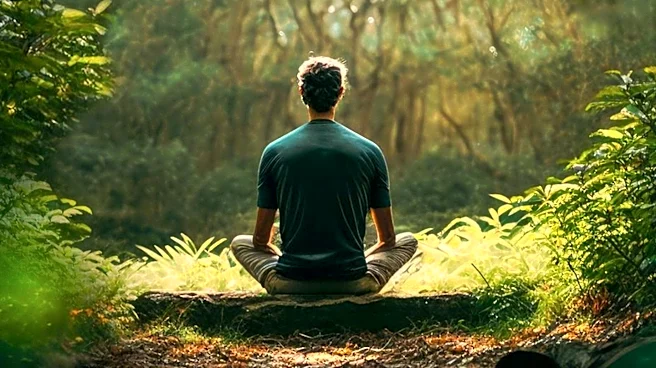
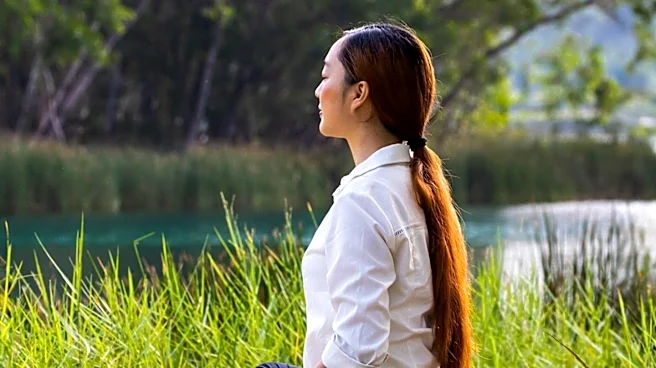
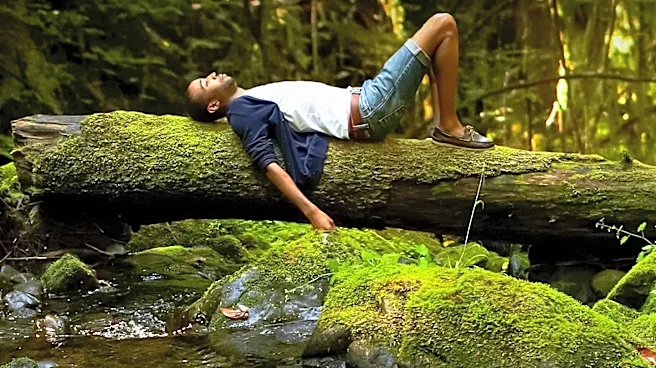
Victoria, BC, is offering guided forest bathing experiences in Beacon Hill Park, inspired by the Japanese practice of shinrin-yoku. These two-hour walks encourage mindfulness and a connection with nature, providing participants with a chance to slow down
and enjoy the natural surroundings. The experience includes locally wildcrafted herbal tea and treats, and is designed to be accessible for individuals using wheelchairs or mobility aids. This initiative is part of a broader effort to offer unique, meaningful experiences that connect visitors with the local environment and culture.
Why It's Important?
The introduction of forest bathing in Victoria reflects a growing trend in tourism towards experiential and wellness-focused travel. As travelers increasingly seek out experiences that offer relaxation and personal growth, destinations that provide such opportunities can attract a diverse range of visitors. This trend also highlights the importance of accessibility in tourism, ensuring that wellness experiences are available to all individuals, regardless of physical ability. By promoting forest bathing, Victoria is positioning itself as a leader in sustainable and inclusive tourism.
What's Next?
As the popularity of forest bathing grows, Victoria may expand its offerings to include more guided sessions and integrate the practice into broader wellness tourism packages. This could involve partnerships with local businesses and wellness practitioners to create comprehensive experiences that attract both domestic and international visitors. Additionally, the success of these programs could inspire other destinations to develop similar initiatives, further promoting wellness tourism as a key component of the travel industry.
Beyond the Headlines
The emphasis on forest bathing in Victoria not only enhances the visitor experience but also promotes environmental awareness and conservation. By encouraging people to spend time in natural settings, these experiences can foster a deeper appreciation for the environment and support efforts to preserve natural spaces. This cultural shift towards valuing nature could have positive implications for local conservation policies and community engagement in environmental initiatives.