








What's Happening?
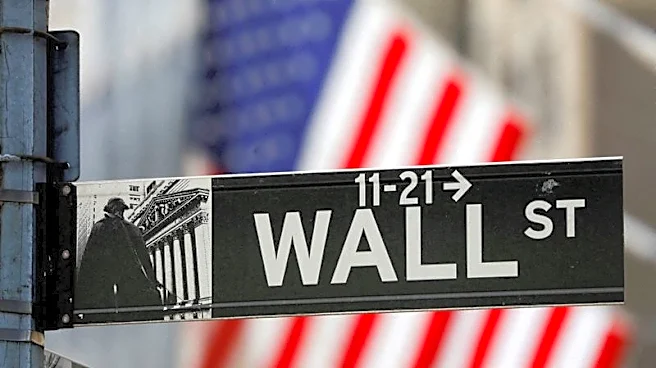
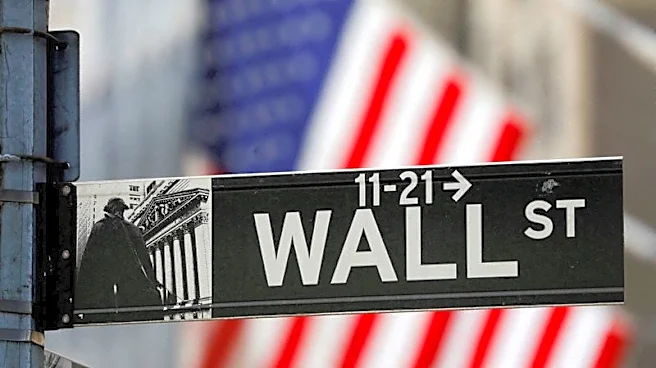
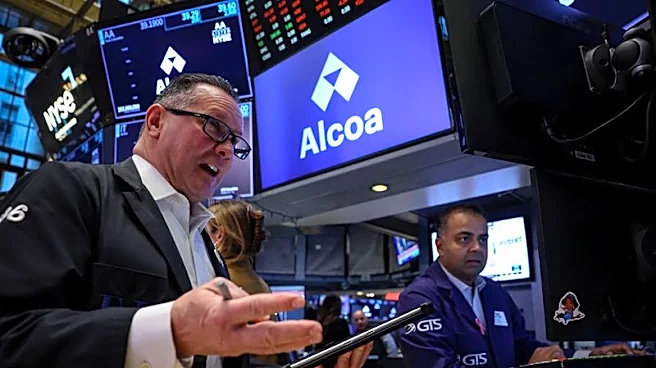
U.S. markets saw a significant downturn, erasing a post-midterm rally and resulting in an approximate $3 trillion loss in equity value. The Nasdaq Composite dropped about 5%, the S&P 500 nearly 4%, and the Dow Jones Industrial Average fell roughly 2.9%,
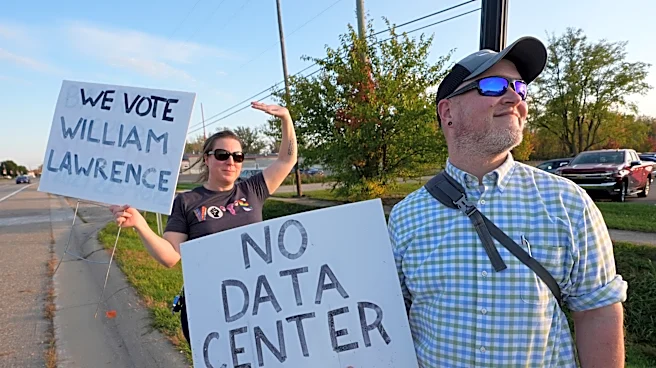
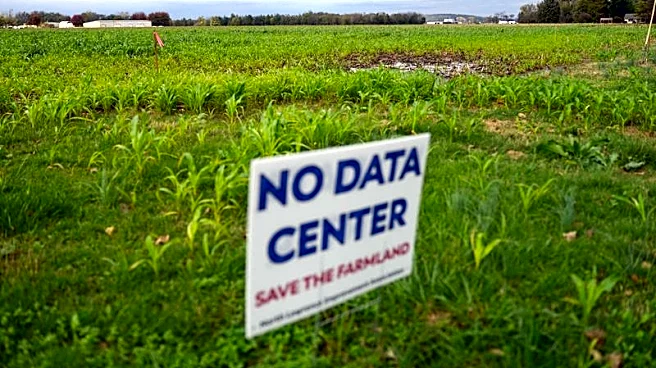
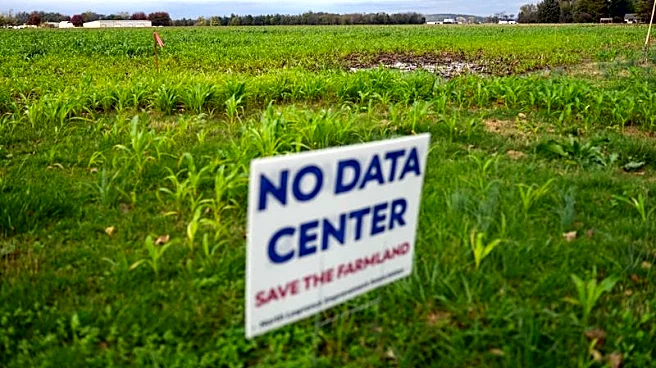
or over 1,500 points. This reversal occurred just one day after Wall Street celebrated its best post-midterm rally in 44 years. The decline was primarily concentrated in technology and artificial intelligence (AI) stocks, with the Philadelphia Semiconductor Index sliding about 9.75% in intraday trading. Major chip companies like AMD and Micron each lost approximately 15%, Nvidia fell almost 9%, Qualcomm dropped 11.2%, and Arm Holdings slipped 11%. Tesla also saw a decline of up to 10%. The selling appears to be linked to concerns over ballot measures and gubernatorial races that could restrict the development of AI data centers across the United States. Notably, voters approved 41 measures aimed at limiting data center development, with Ohio being a key focus. Shares of Vistra, a power producer tied to data center demand, plunged 14%, and cooling and power infrastructure supplier Vertiv fell 13%.
Why It's Important?
This substantial market selloff highlights the growing sensitivity of the U.S. economy and technology sector to regulatory and political shifts, particularly concerning AI infrastructure. The rapid erosion of $3 trillion in equity value underscores how quickly investor sentiment can turn based on perceived policy changes. The concentration of losses in chip and AI stocks indicates that these sectors are highly vulnerable to regulatory uncertainty, which could impact future innovation and growth in artificial intelligence. The focus on data center development restrictions, particularly in states like Ohio and Texas, suggests a potential shift in how critical infrastructure projects are approved and implemented. This could lead to increased costs, delays, or even a re-evaluation of investment strategies for tech companies reliant on these facilities. For the broader U.S. economy, a slowdown in AI spending could have ripple effects, as investments by major technology companies have been a significant driver of economic growth. The political fragility of the global AI infrastructure buildout, as evidenced by these market reactions, could also influence international investment flows, potentially redirecting capital to regions perceived as more stable for data center development.
What's Next?
The immediate aftermath will likely involve continued market volatility as investors assess the full implications of the new political landscape regarding data center development. Companies heavily invested in AI and chip manufacturing may need to re-evaluate their expansion plans and lobbying efforts in states where restrictions have been approved or are anticipated. The victory of Democrat Gina Hinojosa in Texas, who campaigned on an immediate moratorium on new data centers, suggests that existing freezes on permits could be extended without new legislation, further complicating development. Similar campaigns in Ohio and Georgia, led by Amy Acton and Keisha Lance Bottoms, indicate a broader trend of increased scrutiny on AI infrastructure. Stakeholders, including tech companies, power producers, and infrastructure suppliers, will closely monitor legislative developments and gubernatorial actions in these key states. The potential for increased regulatory hurdles could lead to a slowdown in the pace of AI data center construction, impacting the supply chain for components and services related to these facilities. This situation may also prompt a re-evaluation of the balance between technological advancement and local community concerns regarding resource consumption and environmental impact.
Beyond the Headlines
The market's reaction to potential data center restrictions reveals a deeper tension between technological progress and local governance, highlighting the increasing politicization of infrastructure development. The approval of numerous ballot measures aimed at curbing data center growth reflects a growing public concern over issues such as energy consumption, environmental impact, and local resource strain associated with these facilities. This trend could lead to a more decentralized approach to data center placement, with companies seeking locations that offer more favorable regulatory environments or are less prone to public opposition. Furthermore, the selloff underscores the interconnectedness of political outcomes and economic performance, particularly in high-growth sectors like AI. It suggests that the 'data center politics' are replacing 'rate politics' as a primary driver of market sentiment, indicating a long-term shift in the factors influencing investment decisions in the tech industry. This development could also spur innovation in more energy-efficient AI technologies and data center designs, as companies adapt to stricter regulatory landscapes and public demands for sustainability.