







What's Happening?
The African Development Bank Group (AfDB) and Denmark have formalized an enhanced partnership aimed at attracting more private investment into African economies. This collaboration, outlined in a memorandum of understanding signed in September by AfDB Group President
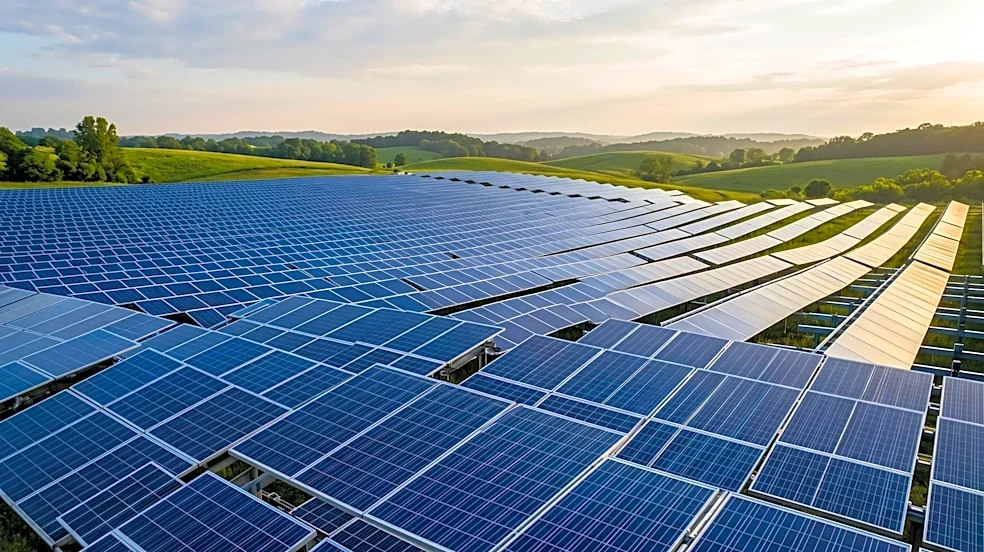
Dr. Sidi Ould Tah and Danish Foreign Minister Lars Løkke Rasmussen, extends through 2030. The agreement focuses on channeling private capital into development projects, particularly in areas such as clean energy, reliable water supplies, green infrastructure, and job creation for young people. A key aspect of this initiative involves utilizing financial tools like blended finance, guarantees, and risk-sharing arrangements to mitigate investment risks and combine public and commercial funding. The partnership will also facilitate dialogue with Danish investment entities, including the Export and Investment Fund of Denmark and Impact Fund Denmark, to leverage Danish investment expertise alongside the AfDB's financing capabilities and knowledge of African markets. Dr. Ould Tah emphasized the need for Africa to use available capital more effectively and direct it towards economic transformation priorities. This agreement builds on a long-standing relationship, with Denmark having contributed to the African Development Fund since 1973 and being a shareholder of the AfDB since 1982. Denmark has also significantly increased its commitment to the African Development Fund's seventeenth replenishment (ADF-17) by 40% compared to its previous contribution.
Why It's Important?
This strengthened partnership is crucial for Africa's development as it addresses the growing challenge of limited access to concessional funding. By actively seeking to mobilize private capital, the AfDB and Denmark are working to create sustainable financing mechanisms that can support critical infrastructure and economic growth across the continent. The focus on clean energy and green infrastructure aligns with global efforts to combat climate change and promotes a more sustainable development path for African nations. The emphasis on job creation for young people is vital for addressing demographic challenges and fostering economic stability. The use of blended finance and risk-sharing arrangements can de-risk investments, making African projects more attractive to private investors and potentially unlocking significant capital flows. This initiative also highlights the importance of international cooperation in achieving development goals, with Denmark's increased financial commitment and expertise playing a significant role. The long-term nature of the agreement, extending to 2030, provides a stable framework for sustained efforts and strategic planning, which can lead to more impactful and lasting development outcomes.
What's Next?
Following the signing of the memorandum of understanding, the next steps involve regular strategic consultations between the AfDB and Denmark to identify specific programs and projects where their combined expertise and capabilities can be most effectively utilized. These discussions are expected to cover the continued secondment of Danish-funded specialists to the AfDB, further integrating Danish expertise into the Bank's operations. The partnership will focus on translating the agreement into funded projects and wider economic opportunities across Africa. Efforts will be made to engage with the Export and Investment Fund of Denmark and Impact Fund Denmark to bring Danish investment expertise to the forefront of African development projects. The AfDB will continue to advocate for the effective and strategic deployment of capital to transform African economies, with a particular emphasis on climate action, green transition, and strengthening resilience in vulnerable countries. The increased Danish contribution to ADF-17 will be instrumental in supporting these initiatives, ensuring that the financial backing is in place to turn ambitions into tangible economic progress.
Beyond the Headlines
This partnership extends beyond mere financial transactions, delving into deeper implications for Africa's economic sovereignty and development model. By prioritizing the mobilization of private capital, the initiative signals a shift towards reducing reliance on traditional overseas development aid, fostering greater self-sufficiency and ownership of development agendas within Africa. The focus on green transition and climate action not only addresses environmental concerns but also positions Africa to potentially leapfrog traditional carbon-intensive development paths, embracing sustainable technologies and practices. This could lead to the emergence of new industries and job markets in renewable energy and green infrastructure, creating long-term economic benefits. Furthermore, the emphasis on job creation for young people tackles a critical demographic challenge, potentially mitigating social unrest and fostering a more stable and prosperous future for the continent. The collaboration also underscores the evolving nature of international development, moving towards partnerships that leverage diverse financial instruments and expertise to achieve shared goals, rather than solely relying on donor-recipient models. This approach could set a precedent for other international collaborations in development finance.