



What's Happening?
The NBA is reportedly in advanced discussions with YouTube to launch a centralized local streaming hub, aiming for a launch ahead of the 2027-28 season. This new service would aggregate local broadcasts for NBA teams, with the league seeking over $1 billion
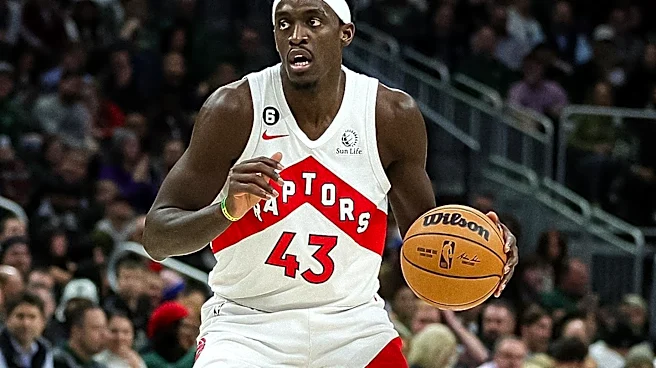
for the rights. The goal is to include at least 25 of the 29 U.S. teams in the first year, with an ideal scenario of all 29 teams eventually participating. The Toronto Raptors, being the 30th team, are excluded from these discussions due to an existing long-term broadcasting deal with Rogers Communications in Canada. The proposed deal with YouTube would be for a nine-year term, aligning with the NBA's national media rights, and would include a five-year exit option. Key details, such as team participation, inventory control, and potential over-the-air simulcasts, are still being ironed out, which are crucial for YouTube to finalize an offer. If the NBA secures 29 teams, the asking price is approximately $1.2 billion, while 25 teams might lead to an offer around $850 million.
Why It's Important?
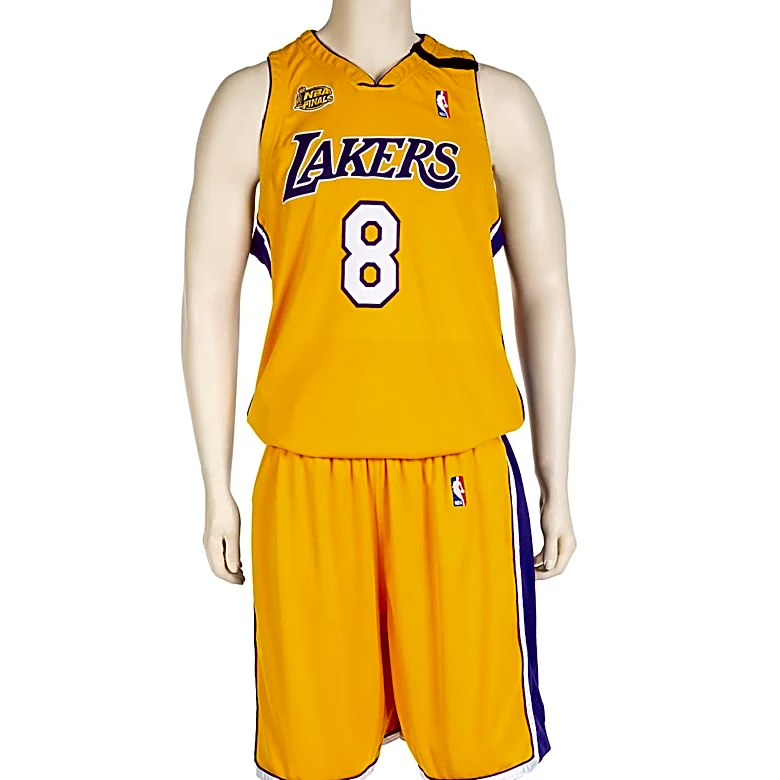
This potential streaming hub represents a significant shift in how NBA content is delivered to local audiences, moving towards a more centralized digital platform. For U.S. basketball fans, it could simplify access to local games, potentially reducing the need for multiple regional sports network subscriptions. The financial implications are substantial, with the league aiming for over $1 billion, which would then be distributed among participating teams based on market value. This could significantly impact the revenue streams of teams, particularly those with less lucrative local broadcast deals. However, teams like the Los Angeles Lakers, with an existing $200 million annual deal with Charter Communications, and the New York Knicks, with a $110 million deal with MSG, present a challenge to full participation, as they would likely see a reduction in their local media revenue by joining the hub. The success of this initiative could set a precedent for other sports leagues considering similar aggregated streaming models, influencing the future of sports broadcasting and media rights in the U.S.
What's Next?
Negotiations between the NBA and YouTube are expected to reach a critical juncture by this fall, potentially resulting in a deal or a stalemate. If talks with YouTube falter, other streaming services like DAZN, ESPN, or Amazon could emerge as contenders for the local streaming hub rights. DAZN is reportedly 'waiting in the wings' and might be willing to pay a premium, potentially up to $1.4 billion, to outbid YouTube. The NBA's immediate next step involves securing firm commitments from its teams regarding their participation, which will depend on the exact terms offered, including revenue guarantees and advertising arrangements. The participation of high-value teams like the Lakers and Knicks remains a key variable, with the Knicks potentially joining in a limited capacity initially. The outcome of these negotiations will determine the structure and financial viability of the new streaming service and its impact on local NBA viewership and team revenues starting from the 2027-28 season.
Beyond the Headlines
The move towards a centralized NBA streaming hub highlights a broader trend in media consumption, where traditional cable and satellite broadcasting are being supplanted by direct-to-consumer digital platforms. This shift could democratize access to sports content, making it more accessible and potentially more affordable for fans who previously faced regional blackouts or expensive cable packages. However, it also raises questions about the long-term viability of regional sports networks and the potential for further consolidation in sports media. The challenge of integrating high-value teams with existing lucrative deals into a shared revenue model underscores the complexities of transitioning from a fragmented broadcast landscape to a unified digital one. This initiative could also influence how sports leagues balance national and local media rights, potentially leading to new models for revenue sharing and content distribution that prioritize digital reach and fan engagement over traditional broadcast exclusivity.