


What's Happening?
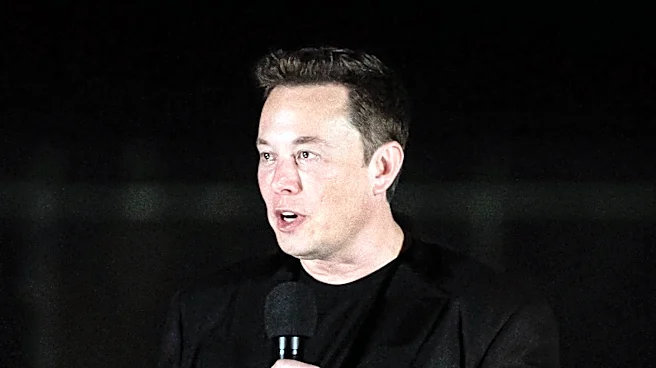
Elon Musk, CEO of Tesla and SpaceX, has publicly criticized Jeremy Culhane's impression of him on 'Saturday Night Live' (SNL), rating it a 5 out of 10 and suggesting the actor 'try harder.' This feedback came after a user on X (formerly Twitter) shared
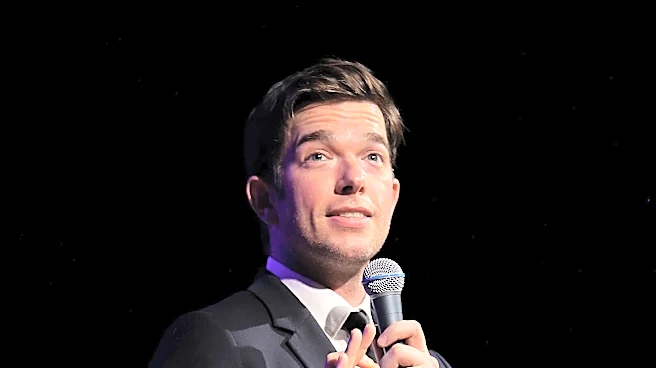
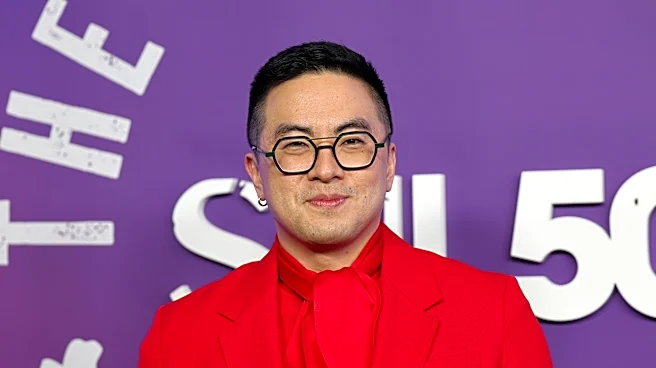
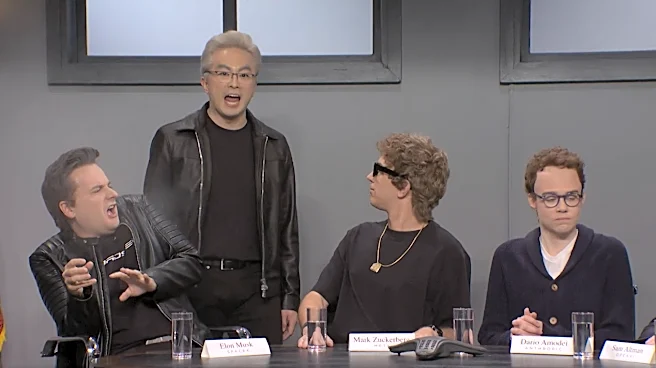
their personal scores of SNL cast members' impressions, giving Culhane's portrayal a 7/10. Musk further expressed his dissatisfaction by replying to SNL's post of the sketch with a Venn diagram, illustrating a minimal overlap between 'HUMOR' and 'SNL,' with 'The good sketches' in the intersection. The SNL cold open featured a CIA officer, played by host John Mulaney, gathering prominent tech billionaires, including Musk (Culhane), Mark Zuckerberg (Andrew Dismukes), and Sam Altman (Ben Marshall), to test their national security training. This is not the first time Culhane has spoofed Musk; he previously played the mogul on 'Weekend Update' during a November 7 episode, where the sketch referenced Musk's significant campaign investments in the 2026 Midterms and the subsequent losses of most backed candidates.
Why It's Important?
Elon Musk's public critique of an SNL impression highlights the increasing interaction between prominent public figures and satirical media, particularly in the age of social media. His direct engagement on platforms like X can amplify discussions around comedic portrayals and influence public perception of both the show and the individual. For SNL, a show known for its political and celebrity parodies, such direct feedback from a subject can be a double-edged sword; it generates buzz and attention but also opens the door to scrutiny from the very individuals they lampoon. This interaction underscores the evolving landscape of celebrity, media, and public commentary, where traditional media outlets are now subject to real-time feedback from their subjects, often in a highly public forum. It also reflects the broader cultural conversation about humor, satire, and the boundaries of public criticism, especially when directed at powerful figures.
What's Next?
The public criticism from Elon Musk could prompt various reactions. SNL might choose to address Musk's comments in future sketches, either by incorporating them into new material or by subtly adjusting their portrayal of him. Alternatively, they might ignore the feedback, maintaining their creative independence. For Jeremy Culhane, this high-profile critique could either be a challenge to refine his impression or a moment of increased visibility, potentially leading to more attention for his work. The incident also sets a precedent for how other public figures might react to their portrayals in satirical media, potentially encouraging more direct engagement or criticism. The ongoing dialogue on social media platforms like X will likely continue to shape public opinion regarding both Musk's reaction and SNL's comedic approach.
Beyond the Headlines
This incident delves into the complex relationship between satire, public figures, and the digital age. Historically, public figures have often been targets of satire, with their reactions typically filtered through traditional media. However, with the advent of social media, figures like Elon Musk can directly engage with and critique their portrayers, blurring the lines between subject and critic. This direct feedback loop raises questions about the power dynamics in media representation and the impact of real-time public commentary on artistic expression. It also highlights the cultural significance of shows like SNL, which continue to serve as a barometer for public sentiment and a platform for comedic commentary on current events and prominent personalities. The exchange underscores a broader shift in how public discourse is shaped, moving towards more immediate and often unfiltered interactions between creators and their subjects.