





What's Happening?
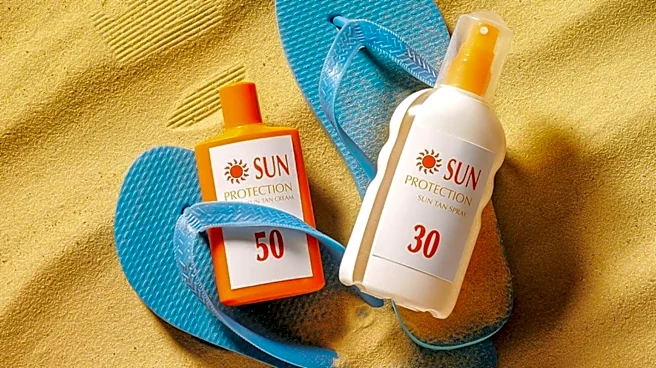
SPF awareness is significantly increasing in North America, leading to higher demand for advanced sun care formulations. This surge is driven by growing consumer understanding of photoaging and the importance of preventing skin cancer. Innovations in daily-use
facial sunscreens and broad-spectrum products are fueling the expansion of the market for photostable UV filters like Diethylhexyl Butamido Triazone. The trend extends beyond traditional facial sunscreens, with new products emerging for scalp SPF, protective hair mists, and color-protection products. In professional beauty, UV and environmental protection are gaining importance, and there's a focus on high SPF water protection for children, particularly in aquatic environments. This shift reflects a broader 'skinification' trend in beauty, where skincare principles are applied to other categories like haircare and makeup, emphasizing prevention over repair.
Why It's Important?
The growing SPF awareness and the expansion of sun care products beyond the face have significant implications for the U.S. beauty and healthcare industries. For manufacturers, it creates opportunities for complex formulations and claim development, requiring products with clear functional propositions and visible results to meet consumer demand for efficacy. Distributors are seeing a shift in portfolio strategy, moving from traditional vertical categories to addressing specific consumer needs that cut across product types, such as hair loss, sensitive scalp, or UV exposure. This trend also strengthens the professional beauty sector, as expertise, diagnosis, and technical performance can justify premium positioning and professional recommendations. The emphasis on prevention over repair could lead to a healthier population with reduced instances of skin damage and related health issues, impacting public health initiatives and insurance costs.
What's Next?
The U.S. market can expect continued innovation in sun care, with a focus on multi-functional products that combine cosmetic performance, treatment, and protection. This will likely include more hybrid formulations in makeup, hair, and nail products that incorporate credible care benefits, alongside enhanced UV and environmental protection. Professional beauty services will increasingly integrate diagnostic tools and personalized protocols for scalp health, hair longevity, and overall skin protection. Manufacturers will need to invest in sophisticated formulations and scientific backing for their claims, while distributors will focus on educating professionals and consumers about these advanced products. The market will likely see a rise in clinically positioned products, hair-growth solutions, and premium multifunctional products, especially in North America, where there is a strong appetite for specialized treatment categories.
Beyond the Headlines
The 'skinification' trend, driven by SPF awareness, represents a deeper cultural shift towards proactive health and wellness. It highlights a growing consumer desire for products that offer long-term benefits and prevention rather than just reactive solutions. This shift could lead to a more informed consumer base that scrutinizes product efficacy and ingredient lists more closely, pushing the industry towards greater transparency and scientific validation. Ethically, it raises questions about accessibility to advanced sun care for all demographics, as premium products may not be affordable for everyone. The integration of skincare principles into diverse beauty categories also blurs traditional industry boundaries, potentially fostering interdisciplinary research and development, and reshaping how beauty and personal care are perceived and marketed in the U.S.