





What's Happening?
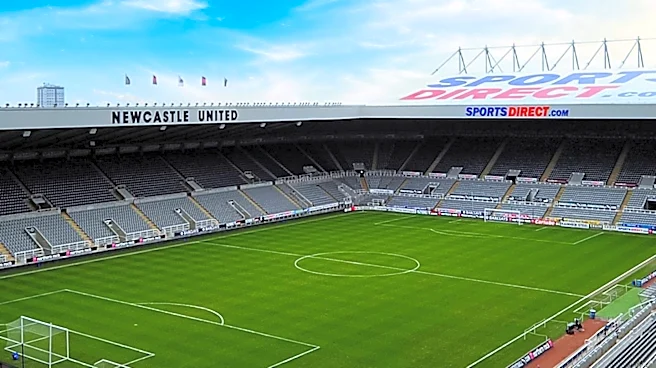
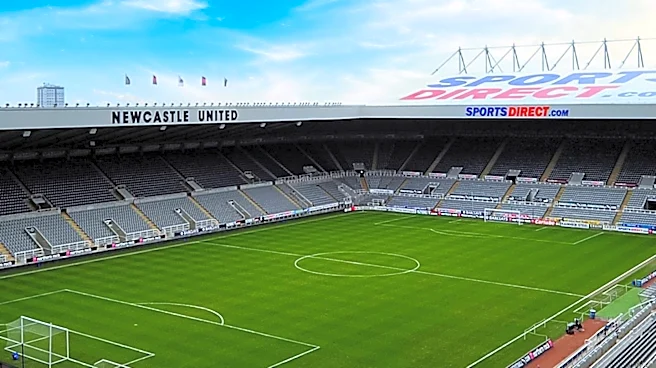
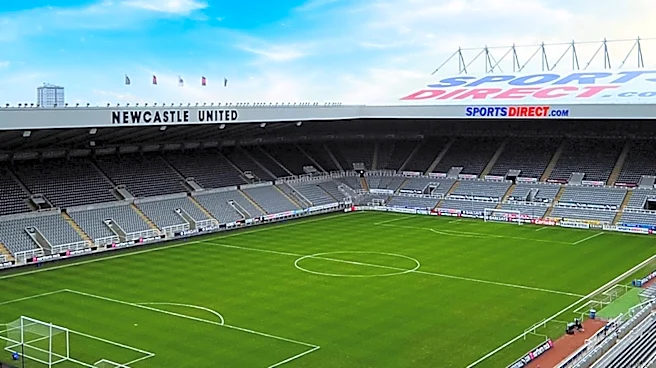
Newcastle United's owners, the Saudi Arabian Public Investment Fund (PIF), are actively seeking new investment and are open to selling a 25% stake in the club. This move is primarily aimed at funding significant infrastructure projects, specifically the redevelopment
of their stadium. The club has already engaged in discussions with potential U.S. investors regarding this opportunity. This development comes as other football clubs, such as Everton, are also exploring sales or new investment, creating a competitive market for potential buyers. Former Manchester City financial adviser Stefan Borson noted that while Newcastle has attractive features, Everton's new stadium could make it a more appealing proposition for some investors due to the high costs of new construction today. The PIF's decision to seek external investment highlights the substantial capital required for major club infrastructure improvements.
Why It's Important?
This development is significant for the U.S. investment landscape as it indicates a potential avenue for American capital to enter or further expand its presence in the global football market. U.S. investors engaging with a prominent Premier League club like Newcastle United could signal a growing interest in European sports assets, driven by their global reach and potential for long-term returns. For Newcastle United, securing this investment is crucial for its long-term growth and competitiveness, particularly in enhancing its stadium facilities, which are vital for increasing revenue streams and fan experience. The competition for investment among clubs like Newcastle and Everton also reflects broader economic trends, including interest rates and inflation, which are influencing valuations and investment strategies in the sports industry. This could lead to increased scrutiny on the financial sustainability models of top-tier football clubs.
What's Next?
Newcastle United will likely continue discussions with potential U.S. investors to secure the desired 25% stake sale. The success of these negotiations will determine the pace and scale of their stadium redevelopment plans. The outcome could also influence other football clubs considering similar investment strategies, particularly those looking to fund large-scale infrastructure projects. The market will be watching to see if U.S. investors, who have shown increasing interest in European football, will finalize a deal with Newcastle. This could set a precedent for future cross-border sports investments. Additionally, the competition for investment between clubs like Newcastle and Everton may intensify, potentially leading to more innovative financial structuring to attract capital.
Beyond the Headlines
The PIF's move to bring in external investors for Newcastle United could signify a broader trend among state-backed entities in sports. While initially seen as sole owners, the increasing financial demands of modern football, especially for infrastructure, might necessitate diversified ownership structures. This could lead to a hybrid model where sovereign wealth funds retain majority control but bring in minority partners for specific capital-intensive projects. Such a strategy could mitigate financial risk for the primary owner while still leveraging their strategic vision. It also raises questions about the long-term financial sustainability of football clubs that rely heavily on owner investment for growth, pushing them towards more self-sufficient revenue generation models, including enhanced commercial partnerships and stadium-related income.