



What's Happening?
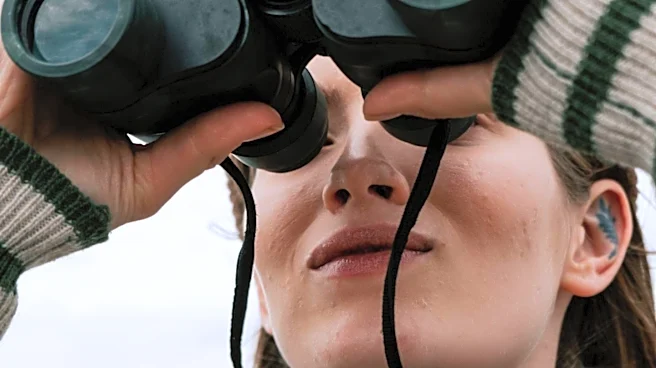
Birding, once considered a hobby primarily for older generations, is experiencing a significant surge in popularity among Gen Z in the U.S. This trend is evidenced by the quadrupling of birding participation among 25-to-34-year-olds since 2016, the growth
of college birding clubs, and the National Audubon Society's expansion to 117 campus chapters. While the desire to disconnect from screens post-pandemic contributes to this analog hobby boom, technology also plays a role, with the Merlin bird-identification app seeing a massive increase in users. However, the primary driver for Gen Z's engagement in birding appears to be the search for mentorship and community, with many young birders citing interpersonal connections as their entry point into the hobby, rather than an initial interest in birds themselves.
Why It's Important?
This shift in hobby preferences among Gen Z has several important implications. It highlights a growing desire for authentic, offline experiences and community engagement in an increasingly digital world, potentially influencing trends in leisure activities and outdoor recreation. The rise of birding among young people could lead to increased advocacy for environmental conservation and wildlife protection, as participants develop a deeper connection to nature. Economically, this trend could boost sales for birding-related equipment, such as binoculars, field guides, and bird feeders, as well as support organizations focused on ornithology and conservation. Furthermore, the emphasis on mentorship within the birding community offers a valuable model for intergenerational connection and knowledge transfer, addressing a perceived gap in such relationships for younger generations.
What's Next?
The continued growth of Gen Z birding is likely to foster more college birding clubs and expand the reach of organizations like the National Audubon Society. As more young people engage, there could be an increased demand for accessible birding resources, guided tours, and community events tailored to a younger demographic. The integration of technology, such as the Merlin app, will likely continue to facilitate entry into the hobby, while the emphasis on mentorship suggests a sustained focus on building supportive communities. This trend could also influence urban planning and park management, with a greater emphasis on creating and preserving bird-friendly habitats in accessible locations to cater to this growing interest.
Beyond the Headlines
The Gen Z birding phenomenon reveals a deeper yearning for connection and purpose beyond digital interactions. The 'spark people' rather than 'spark birds' narrative underscores a fundamental human need for belonging and guidance, which birding communities are uniquely positioned to provide. This trend challenges the stereotype of Gen Z as solely screen-addicted, showcasing their capacity for engaging with the natural world and forming meaningful relationships. It also suggests a potential counter-cultural movement towards slowness, observation, and patience, contrasting with the fast-paced, instant-gratification culture often associated with digital natives. The intergenerational aspect of birding, where older enthusiasts mentor younger ones, offers a powerful antidote to societal fragmentation, fostering a sense of shared purpose and mutual learning across age groups.