





What's Happening?
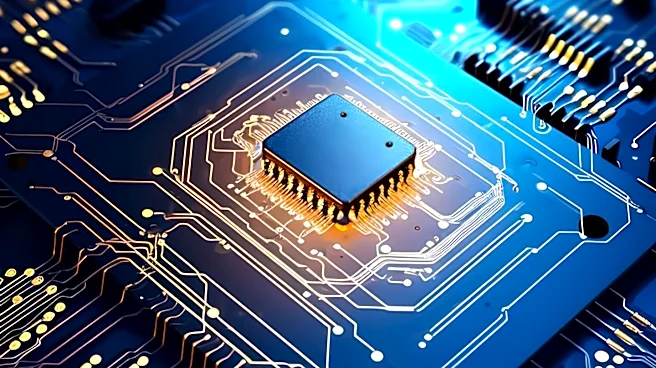
International Business Machines Corporation (IBM) has unveiled its next-generation dual-architecture processor for IBM Z and LinuxONE systems. This new chip, developed in collaboration with Arm Holdings plc, is the first major milestone from their partnership
announced in April. The processor is designed to allow companies to run operating systems and applications on both IBM's custom compute platform and the Arm architecture. Built on a 2-nanometer process node, the chip features 11 high-performance cores operating at over 5.7 GHz. It also includes AI inference accelerators for in-transaction fraud detection, a dedicated on-chip data processing unit for I/O acceleration, and an enhanced cache architecture tailored for demanding enterprise applications. Arm applications running on this new chip will inherit IBM's enterprise-grade security features, such as hardware-level fault detection, robust encryption, and secure key management. This initiative stems from a three-pronged collaboration focusing on virtualization for Arm software on mainframes, high-end security and data residency, and shared technology layers to expand software options.
Why It's Important?
This development is significant for both IBM and Arm, as it aims to expand the software ecosystem available on IBM's mainframe platform by directly supporting Arm workloads. This could make IBM Z and LinuxONE systems more attractive to companies that have previously built on Arm-compatible software, potentially sustaining the recent 'mainframe comeback' observed in IBM's results. The integration of Arm's architecture with IBM's enterprise-grade security and reliability features provides Arm with a credible entry into the high-margin enterprise computing segment, a departure from its traditional focus on mobile and embedded markets. For IBM, this move addresses the growing demand for on-premises infrastructure for AI-driven, security-sensitive workloads, offering an alternative to public cloud options. The collaboration also pushes Arm into enterprise and data-center computing, building on its recent ventures into the merchant silicon market. Both companies have seen increased institutional interest, with hedge fund holdings in IBM and Arm rising, indicating investor confidence in their strategic directions.
What's Next?
The new dual-architecture processor is expected to be integrated into future IBM Z and LinuxONE systems, enabling broader adoption of Arm-compatible software within IBM's mainframe environment. This will likely lead to a more diverse range of applications and workloads being supported on these platforms. The collaboration between IBM and Arm is set to continue, with ongoing efforts in virtualization, security, and shared technology layers to further expand software options. As AI-driven and security-sensitive workloads continue to grow, the enhanced capabilities of these mainframes could attract more enterprises seeking robust on-premises solutions. The success of this new processor will be closely watched as it could influence future partnerships and technological integrations in the enterprise computing sector, potentially setting new standards for hybrid cloud and on-premises data processing.
Beyond the Headlines
This partnership highlights a broader trend in the technology industry: the convergence of different architectural strengths to meet complex enterprise demands. IBM, traditionally known for its robust mainframes, is leveraging Arm's power-efficient design and extensive software ecosystem to enhance its offerings. Conversely, Arm gains access to IBM's enterprise-grade security and reliability, crucial for expanding beyond its mobile and embedded strongholds. This strategic alliance could redefine the competitive landscape in data center and enterprise computing, challenging established players and fostering innovation. The emphasis on hardware-level security and in-transaction fraud detection also underscores the increasing importance of data integrity and protection in an era of sophisticated cyber threats and AI-driven applications. This move could also influence talent acquisition and development, as the demand for professionals skilled in both mainframe and Arm architectures may rise, driving new educational and training initiatives.