




What's Happening?
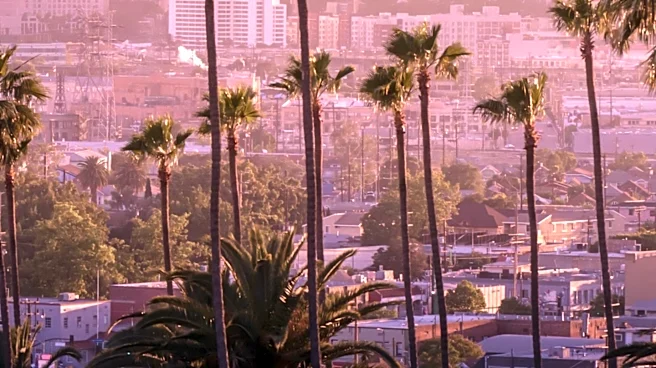
Un Solo Sol, a vegan restaurant in Los Angeles's Boyle Heights neighborhood, is set to close its doors on September 28 after 16 years of operation. Owner Carlos Ortez cited soaring operational costs, inflation, and the challenging economic climate as
primary reasons for the closure. The restaurant, known for its plant-based Latin American cuisine, had reportedly stopped turning a profit in 2022, with Ortez personally funding its continuation since then. The business also faced compounding issues, including a recent warehouse fire in the historic neighborhood that impacted local businesses. Un Solo Sol had established a loyal following by offering traditional culinary heritage adapted to plant-based practices, featuring dishes like vegan pozole stew and dairy-free pupusas. The closure has been met with sadness from patrons and neighboring businesses, with some expressing concerns about its contribution to gentrification in the area.
Why It's Important?
The closure of Un Solo Sol highlights the significant challenges faced by small, independent businesses in urban areas across the U.S., particularly within the restaurant industry. Rising inflation and operational costs are creating an unsustainable environment for many establishments, even those with established community ties and unique offerings. This situation can lead to a reduction in local business diversity and cultural representation, as smaller, often family-owned, businesses struggle to compete with larger chains or absorb increasing expenses. The mention of gentrification by patrons underscores a broader societal concern: as neighborhoods evolve, economic pressures can displace long-standing businesses that contribute to the area's unique character and serve local communities. The loss of such establishments can erode the cultural fabric of a neighborhood, impacting residents who rely on accessible and culturally relevant services.
What's Next?
Carlos Ortez, the owner of Un Solo Sol, has indicated that while the restaurant is closing, this is not a permanent end to his culinary endeavors. He plans to take a "strategic rest" with the intention of returning eventually with a new plant-based concept. This suggests a potential re-evaluation of business models or locations to adapt to the current economic landscape. For the Boyle Heights neighborhood, the closure of a 16-year-old establishment may prompt further discussions among community leaders and residents about supporting local businesses and addressing the impacts of economic shifts and gentrification. Other small businesses in the area may continue to face similar pressures, potentially leading to more closures if economic conditions do not improve or if targeted support is not provided. The broader restaurant industry in Los Angeles will likely continue to grapple with high operating costs and inflation.
Beyond the Headlines
The closure of Un Solo Sol extends beyond a single business failure; it reflects a deeper tension between economic development, community preservation, and the evolving urban landscape. The concept of "gentrification" is often associated with the displacement of residents, but it also significantly impacts local businesses that cater to the original community. When unique, culturally significant establishments like Un Solo Sol are forced to close, it can lead to a homogenization of urban areas, where local character is replaced by more generic commercial offerings. This situation raises questions about the long-term sustainability of diverse urban economies and the role of local government and community initiatives in protecting vulnerable businesses. The struggle to maintain accessible pricing, as mentioned by Ortez, highlights the ethical dilemma faced by business owners in gentrifying areas: how to remain viable while serving a community that may be increasingly priced out.