



What's Happening?
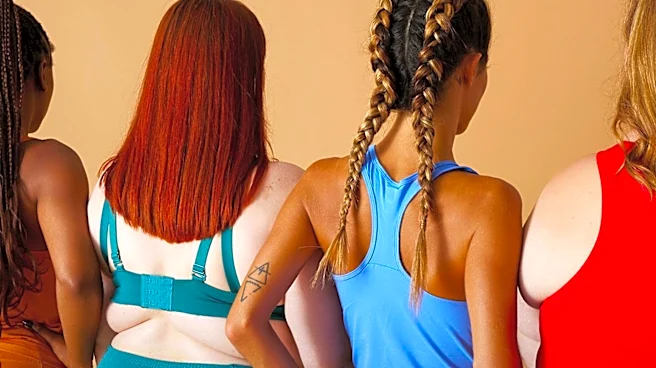
The plus-size fashion market is experiencing a critical period where independent designers and brands are struggling to remain viable despite a growing demand for diverse and inclusive clothing options. Many plus-size clothing stores are closing, and brands are discontinuing
extended sizes, leading to frustration within the plus-size community. The financial realities of creating a clothing line, particularly for plus-size individuals, are significant, involving high costs for pattern development, grading sizes, sourcing fabrics, manufacturing, marketing, and inventory management. Unlike large corporations, small independent designers lack the financial buffer to absorb mistakes or low sales, making them highly dependent on direct consumer support. The article highlights that while there is enthusiasm for new plus-size brands, this often does not translate into the sales necessary to sustain these businesses.
Why It's Important?
This situation is important because it underscores the economic fragility of niche markets within the broader fashion industry, even those with vocal consumer bases. The potential disappearance of talented independent designers due to insufficient sales would reduce the already limited choices available to plus-size women, reversing progress made in fashion inclusivity. It also reveals a disconnect between consumer sentiment and purchasing behavior, where expressed support and compliments do not always convert into actual sales. This dynamic affects not only the designers and their businesses but also the consumers who desire more varied, well-fitting, and stylish options, impacting their ability to find clothing that reflects their personal style and needs. The sustainability of these businesses is crucial for fostering a more equitable and diverse fashion landscape.
What's Next?
To ensure the survival and growth of plus-size fashion brands, a shift in consumer behavior is needed, moving from mere enthusiasm to active patronage. Consumers are encouraged to explore existing plus-size businesses, provide constructive feedback directly to designers, and make purchasing decisions that support brands investing in their community. Designers, in turn, need to be receptive to feedback to refine their offerings. The article suggests that the future of plus-size fashion depends on a collaborative effort where consumers actively engage with and financially support the brands they wish to see thrive. Without this, more independent designers may cease operations, further consolidating the market and potentially limiting innovation and diversity in plus-size apparel.
Beyond the Headlines
The challenges faced by plus-size fashion brands extend beyond simple economics, touching upon deeper issues of market valuation and consumer responsibility. It highlights an ethical dimension where consumers, while demanding inclusivity and variety, must also recognize the financial investment required to deliver these. The narrative suggests a need for a more nuanced understanding of pricing in fashion, acknowledging that quality fabrics, ethical manufacturing, and thoughtful design, especially in smaller production runs, inherently cost more. This situation also reflects a broader cultural shift where niche markets, often serving historically underserved populations, require sustained community support to challenge the dominance of mass-market retailers and foster genuine diversity in consumer choices.