



What's Happening?
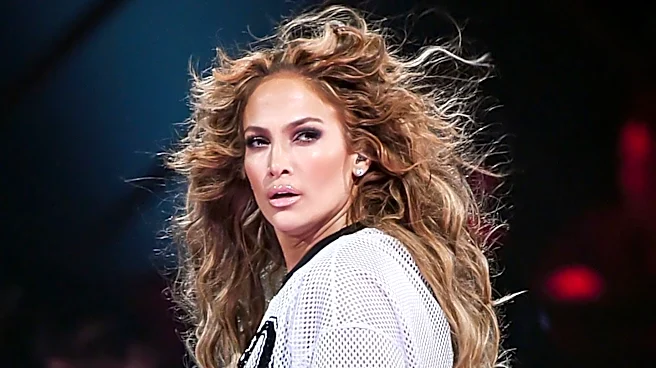
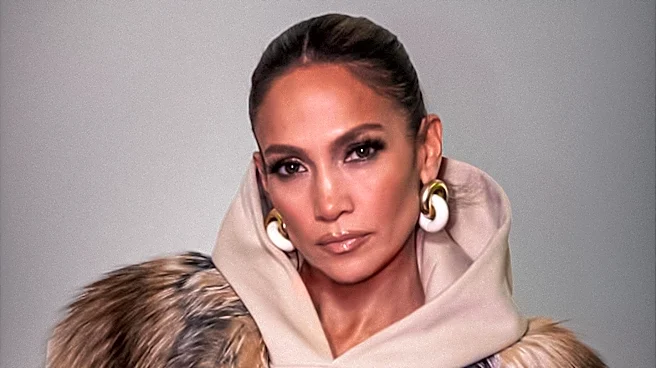
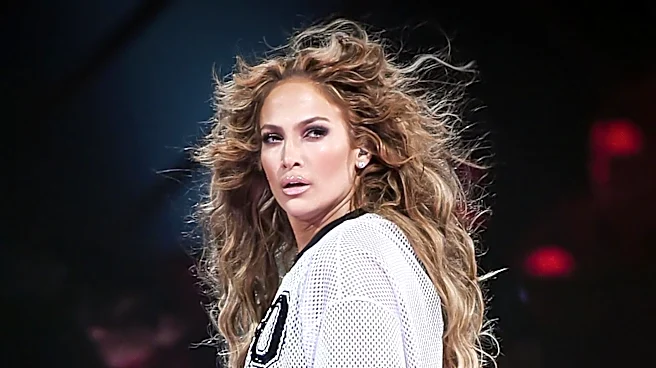
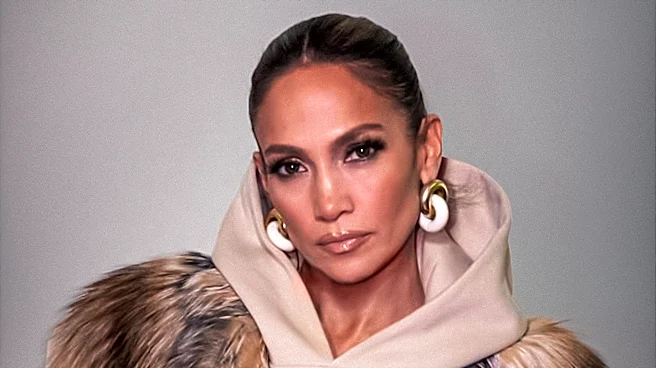
Jennifer Lopez stated in a November 20 interview with The New York Times’ Popcast podcast that her Latina heritage limited her early acting opportunities in Hollywood. Lopez, who is Puerto Rican, claimed she received few acting offers and had to create
opportunities for herself because she did not fit the mold of a 'white actress.' While acknowledging that casting has become more diverse, she suggested performers still need to forge their own paths. These comments have drawn criticism on social media, with some users pointing to her extensive and successful career as evidence against her claims. A representative for Lopez clarified that her remarks pertained to the 1990s and early 2000s, noting that other Latino actors have described similar constraints. Pop culture critic Rachel Ho acknowledged the possibility of discrimination but also highlighted Lopez's significant success and visibility, suggesting her comments might appear 'tone-deaf' to some given her career trajectory.
Why It's Important?
This discussion highlights ongoing debates within the entertainment industry regarding diversity, representation, and the challenges faced by racialized actors. Lopez's comments, and the subsequent public reaction, underscore the complex perceptions of success and systemic barriers. For the U.S. entertainment industry, this conversation is crucial as it continues to grapple with calls for more inclusive casting and storytelling. It brings to light the differing experiences of actors from diverse backgrounds, even those who achieve mainstream success. The debate also impacts public perception of Hollywood's progress on diversity, potentially influencing audience expectations and industry practices. The differing viewpoints—Lopez's assertion of limited roles versus critics citing her extensive filmography—reflect a broader societal discussion about privilege, discrimination, and the interpretation of individual career paths within a larger systemic context.
What's Next?
The conversation initiated by Jennifer Lopez's comments is likely to continue influencing discussions around diversity and representation in Hollywood. Industry stakeholders, including casting directors, producers, and studios, may face renewed scrutiny regarding their efforts to promote inclusivity. Other actors from diverse backgrounds might be encouraged to share their experiences, further enriching the dialogue. This could lead to increased pressure for more transparent and equitable casting practices. Additionally, academic and critical analyses of Hollywood's historical treatment of racialized actors may gain more prominence. The ongoing public discourse could also shape future content creation, potentially encouraging more diverse narratives and roles that authentically reflect the experiences of various ethnic groups, moving beyond traditional molds.
Beyond the Headlines
Beyond the immediate debate, Lopez's remarks touch upon deeper issues of identity, perception, and the 'burden of representation' often placed on successful minority figures. While her career is undeniably prominent, her comments invite reflection on the subtle and overt forms of discrimination that can exist even for those who achieve stardom. It raises questions about whether individual success truly dismantles systemic barriers or if it merely highlights the exceptional few who navigate them. The public's varied reactions also reveal differing understandings of what constitutes 'limited opportunity' and 'privilege' within a highly competitive industry. This discussion could contribute to a broader cultural shift, encouraging a more nuanced understanding of the challenges faced by minority artists and prompting a re-evaluation of how success is measured and attributed in the context of systemic inequalities.