




What's Happening?
Creatine, a naturally occurring compound primarily found in red meat and seafood, is extensively stored in skeletal muscle. Recent research emphasizes its benefits, particularly for women and adults aged 55 and over, while also addressing common misconceptions.
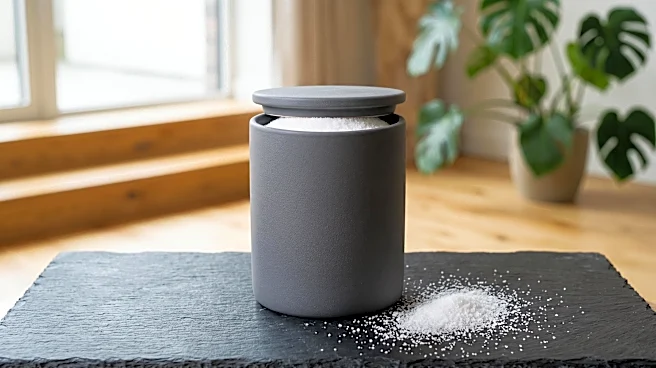
Approximately 95% of the body's creatine is stored in skeletal muscle, with smaller amounts in the brain. The body requires 1 to 3 grams of creatine daily to maintain stores, with about half typically sourced from diet. Creatine plays a crucial role in energy production, especially during short bursts of high-intensity exercise, by helping to regenerate ATP. Studies indicate that women often have 70% to 80% lower total body creatine stores than men, largely due to differences in muscle mass and dietary intake. Despite being one of the most researched supplements, women have been underrepresented in creatine studies. Concerns about weight gain are often overstated, as any initial increase is typically due to water retention in muscles, not fat. Creatine monohydrate is the most studied and recommended form, known for its efficacy, bioavailability, and safety.
Why It's Important?
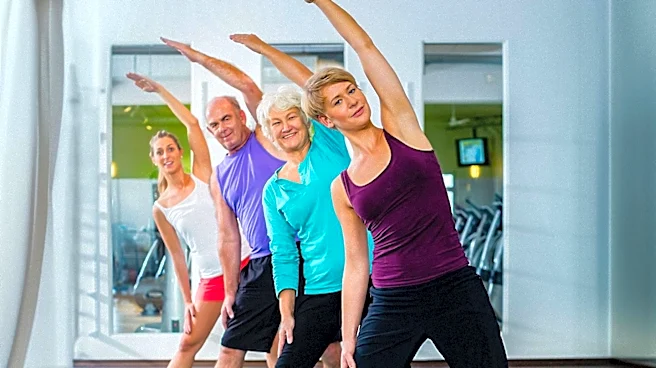
This research is important because it broadens the understanding of creatine's benefits beyond its traditional association with young male athletes, highlighting its relevance for women and older adults. For women, who generally have lower creatine stores, supplementation can significantly enhance physical performance in high-intensity exercise and support muscle strength. This is particularly crucial as women have been historically underrepresented in sports science research, leading to a gap in tailored nutritional advice. For adults aged 55 and over, daily creatine intake, combined with resistance training, can enhance muscle strength, addressing age-related muscle loss and promoting healthier aging. Dispelling the misconception about weight gain being fat accumulation is vital, as it can encourage more individuals, especially women, to consider creatine for its proven benefits without undue concern. The emphasis on creatine monohydrate as the most effective and safe form provides clear guidance for consumers and healthcare providers, ensuring informed choices in supplementation.
What's Next?
Future research is expected to delve deeper into how creatine metabolism is influenced by hormonal changes throughout a woman's life, from the menstrual cycle to menopause. This will provide more nuanced recommendations for female-specific creatine use. Additionally, ongoing studies are exploring creatine's potential benefits for brain health, including mood and cognition, though these are still in early stages and lack authorized claims. The continued focus on creatine monohydrate as the preferred form will likely lead to more products featuring this specific type. Healthcare professionals may increasingly recommend creatine to women and older adults, especially those engaged in resistance training, given the growing body of evidence supporting its safety and efficacy. Consumers can anticipate more targeted marketing and educational campaigns aimed at these demographics, emphasizing the specific benefits and debunking myths.
Beyond the Headlines
The expanded understanding of creatine's benefits for women and older adults signifies a broader shift in sports nutrition and health science towards more inclusive research. Historically, many studies in these fields have focused on male subjects, leading to a knowledge gap for other populations. This new emphasis on women's health in creatine research reflects a growing recognition of the diverse physiological needs across different demographics. Ethically, this shift promotes equitable access to evidence-based health and performance strategies. Culturally, it challenges stereotypes about who can benefit from supplements like creatine, moving away from a narrow, male-centric view of athletic performance and muscle building. Long-term, this could lead to more personalized nutritional guidelines and a more holistic approach to health and fitness for all age groups and genders, fostering a more inclusive and informed public health discourse.