





What's Happening?
The Pretty Progress Blog has released a guide detailing eight ADHD-friendly home organization tips designed to create functional and less chaotic living spaces. The core philosophy emphasizes environmental scaffolding, cues placed where action happens,
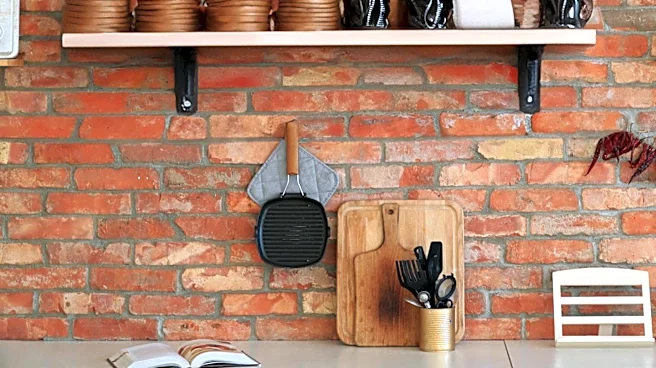
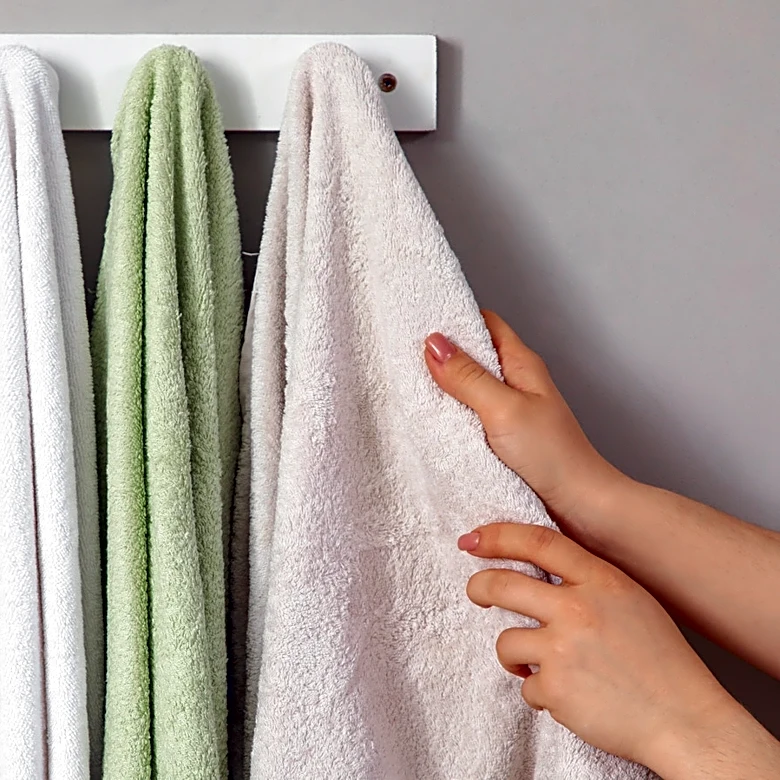
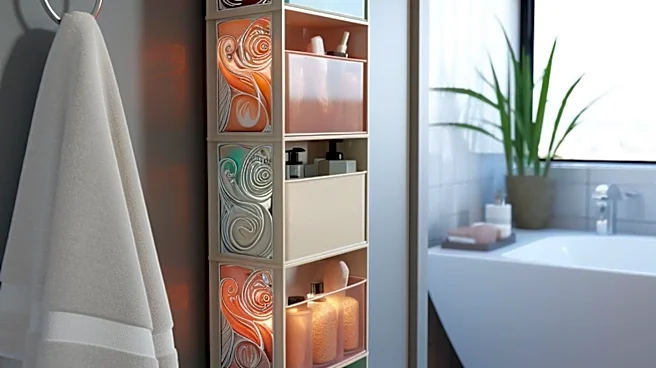
and systems that reduce the need for remembering, searching, and deciding. Key strategies include zone-based organization with clear boundaries, where each area has a single purpose, and building these zones around existing movement patterns rather than aspirational habits. The guide also advocates for the 'Visibility Principle' through open storage and clear containers, arguing that 'out of sight' often means 'out of mind' for individuals with ADHD, leading to forgotten items and duplicate purchases. Furthermore, it suggests simplifying possessions to reduce daily decision fatigue and implementing time-based reminders for maintenance tasks to ensure systems remain active.
Why It's Important?
These organization strategies are important for individuals with ADHD as they address common challenges such as executive dysfunction, time blindness, and difficulty with task initiation and follow-through. By creating environments that 'remember for you,' these tips can significantly reduce daily friction and mental load, leading to improved productivity and reduced stress. The emphasis on visual cues, clear boundaries, and simplified systems helps to externalize organizational demands, making it easier to maintain order without relying heavily on internal willpower or memory. This approach can foster a greater sense of control and calm within the home, directly impacting mental well-being and daily functioning. For families with ADHD members, these methods can also reduce household conflicts related to clutter and forgotten tasks, promoting a more harmonious living environment.
What's Next?
Individuals and families seeking to implement these strategies can start by identifying one high-friction area in their home and applying a single tip, such as creating a door-side intake spot for mail and keys or using clear containers for frequently used items. The Pretty Progress Blog suggests using visual countdowns for deadlines or maintenance sessions, which can be integrated through apps or widgets. The guide encourages a slow, experimental approach, adjusting systems based on personal energy levels and effectiveness. Future developments might include more specialized tools or apps that integrate these ADHD-friendly principles, offering customizable visual cues and reminder systems. The broader trend suggests a growing recognition of neurodivergent needs in home design and organization, potentially leading to more inclusive product development and professional organizing services tailored to these specific requirements.
Beyond the Headlines
The principles outlined by the Pretty Progress Blog extend beyond mere tidiness, touching upon the psychological impact of environment on individuals with ADHD. The concept of 'environmental scaffolding' highlights how physical surroundings can either hinder or support cognitive functions, making organization a critical component of mental health management. This approach challenges traditional organizational methods that often rely on internal discipline, which can be particularly difficult for those with ADHD. By externalizing memory and decision-making through structured environments, these tips promote a more compassionate and effective way to manage daily life. The focus on reducing 'search costs' and 'decision points' underscores a shift towards designing living spaces that minimize cognitive load, ultimately fostering greater independence and reducing feelings of overwhelm. This perspective could influence broader discussions on accessible design and neuro-inclusive environments in both residential and professional settings.