


What's Happening?
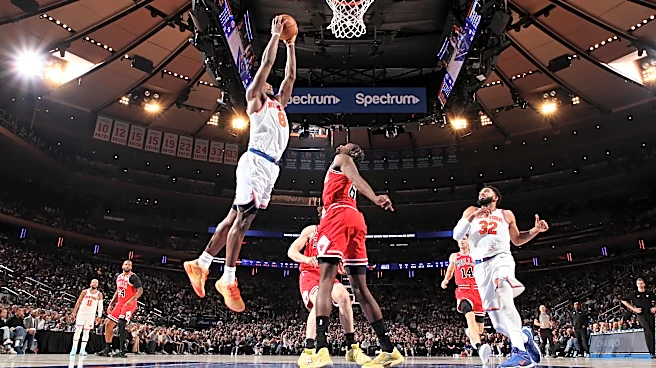
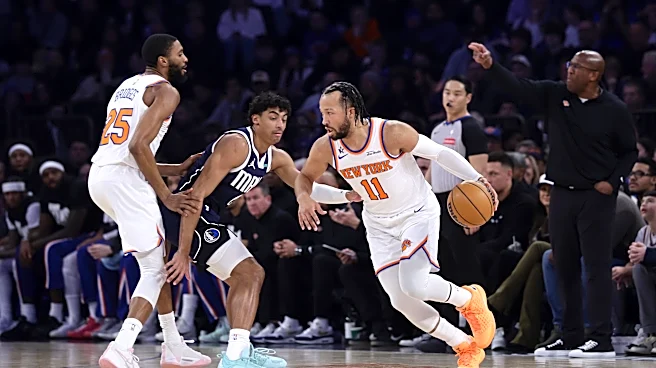
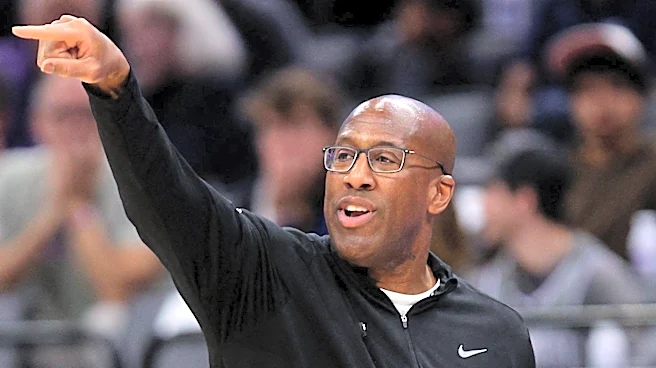
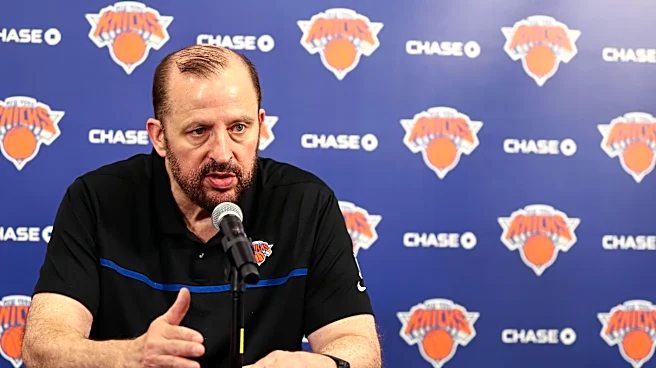
New York Knicks head coach Mike Brown has stated that the team needs to restart from 'base camp' to rebuild championship chemistry, following a disappointing 3-4 start to the 2026-27 season. Brown emphasized that team chemistry is not something that can
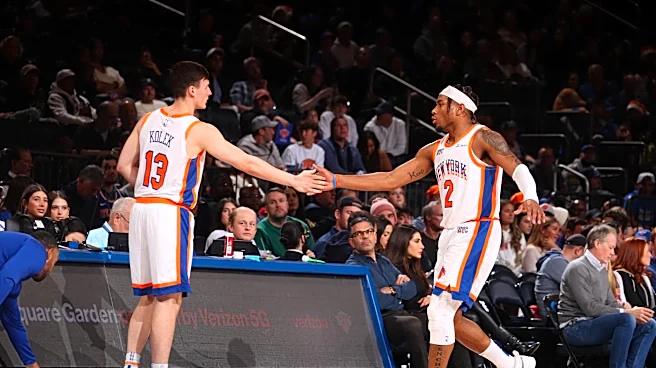
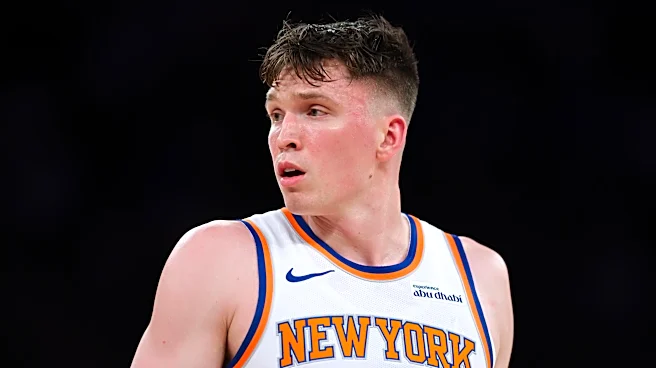
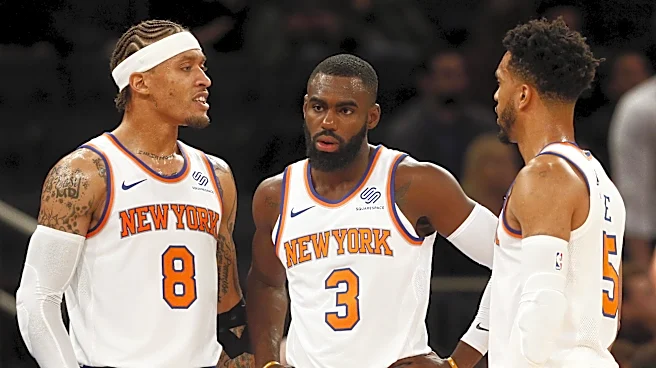
be stored and requires constant effort, comparing the season to a mountain hike where skipping steps leads to disaster. Despite a core group of players who know each other well, the team's offense appears disjointed and slow to find its rhythm. Mikal Bridges, a key contributor from last season's championship run, is experiencing a significant slump, averaging just 6.1 points on 30.8% shooting through seven games. Brown has reduced Bridges' playing time in recent games, opting to play other guards who are performing better, such as Landry Shamet and Jordan Clarkson. Brown also clarified the backup point guard roles, confirming Jose Alvarado remains the primary backup despite Tyler Kolek's impressive performance while Alvarado was out with an ankle sprain. Brown communicated directly with both players, stressing that roles are not guaranteed and both must be ready to contribute.
Why It's Important?
The Knicks' early season struggles and Coach Brown's emphasis on rebuilding chemistry highlight the challenges even championship-winning teams face in maintaining momentum and cohesion. This situation is critical for the team's performance and morale, as a disjointed offense and key players underperforming can derail a season quickly. The handling of Mikal Bridges' slump is particularly important; how Brown manages his playing time and helps him regain form could significantly impact the team's offensive output and overall success. Furthermore, the competition for backup point guard minutes between Jose Alvarado and Tyler Kolek demonstrates the depth and flexibility Brown is trying to cultivate, ensuring that players remain motivated and ready to step up. The team's ability to address these internal issues and regain its championship form will be closely watched by fans and analysts, as it could dictate their playoff aspirations and long-term trajectory in the league.
What's Next?
The immediate focus for the New York Knicks will be on implementing Coach Brown's 'base camp' strategy to rebuild team chemistry and offensive rhythm. This will likely involve increased emphasis on fundamental plays, better ball movement, and creating high-quality three-point opportunities to open up the paint for big men. Mikal Bridges will need to find ways to contribute beyond scoring, focusing on his running, cutting, rebounding, and driving, as suggested by Brown, to break out of his slump. The coaching staff will continue to monitor player performance closely, potentially adjusting rotations based on who is playing effectively. The dynamic between Jose Alvarado and Tyler Kolek for backup point guard minutes will also be a key area to watch, as Brown seeks to balance their respective strengths in defense and playmaking. The team's upcoming games will be crucial in demonstrating whether Brown's approach is yielding positive results and if the Knicks can regain their championship form.
Beyond the Headlines
The Knicks' current situation extends beyond mere on-court performance, touching upon the psychological aspects of team dynamics and individual player resilience. The 'base camp' analogy used by Coach Brown underscores the idea that past successes do not guarantee future results and that continuous effort is required to maintain peak performance. This scenario highlights the pressure on star players like Mikal Bridges to perform consistently, and the mental fortitude required to navigate slumps under intense scrutiny. The competition for playing time, particularly between Alvarado and Kolek, also reflects a broader organizational philosophy of fostering internal competition to drive improvement, rather than relying solely on established hierarchies. This approach, if successful, could build a more resilient and adaptable team capable of overcoming adversity throughout a long season. Conversely, if not managed carefully, it could lead to player dissatisfaction or a further decline in team cohesion, illustrating the delicate balance coaches must strike in managing talent and expectations.