







What's Happening?
Pella Corporation, a U.S. manufacturer of windows and doors, is expanding career opportunities for its team members by integrating automation, data, and digital tools across its production processes. This initiative, termed 'Intelligent Operations,' aims
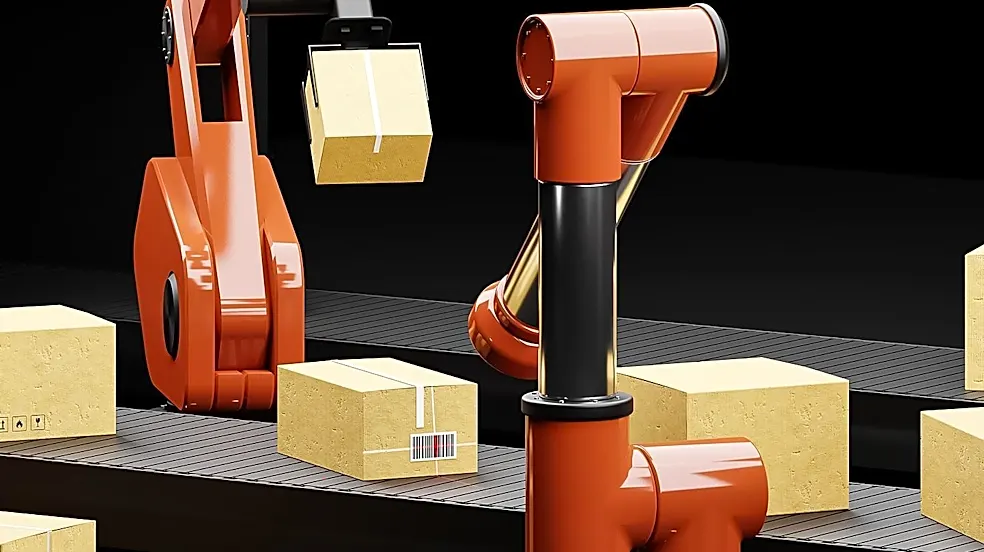
to enhance technical skills among employees while maintaining the customization and quality expected from its made-to-order products. The model brings together manufacturing, engineering, and technology teams to address factory-floor challenges and scale solutions across its operations. During Manufacturing Month, Pella is highlighting how its team members contribute to this evolution through its theme, 'Powered by People: Connected to What’s Next.' The company is investing in development pathways, job shadowing, training, and leadership experiences to help employees acquire new skills as manufacturing processes advance. Pella manufactures every window and door to order, offering thousands of combinations. To manage this complexity, the company is connecting previously disparate technologies, allowing automation, data, and digital tools to work cohesively with human teams. Examples include the deployment of 35 automated guided vehicles (AGVs) across four production lines, which has reduced material-handling damage by approximately 80%, and a robotic painting system capable of adjusting to over 11,000 custom colors and 300-plus product profiles. Additionally, connected digital tools like voice-guided work and computer vision, along with custom workstations that adjust to individual team members, are being implemented.
Why It's Important?
This strategic shift by Pella Corporation is significant for the U.S. manufacturing sector, demonstrating a proactive approach to integrating advanced technology while simultaneously investing in its workforce. By expanding career pathways and providing training in technical skills, Pella is addressing the growing demand for a skilled labor force capable of operating in increasingly automated environments. This model can serve as a blueprint for other U.S. manufacturers looking to modernize their operations without displacing their existing workforce, instead opting for upskilling and reskilling initiatives. The adoption of 'Intelligent Operations' not only enhances efficiency and product quality but also improves workplace safety by automating physically demanding tasks, such as material handling and robotic painting. This approach helps retain experienced employees by transitioning them into new, more technical roles, thereby preserving institutional knowledge and fostering a culture of continuous learning and innovation. The success of such initiatives can contribute to strengthening the competitiveness of U.S. manufacturing on a global scale, ensuring that domestic production remains at the forefront of technological advancement.
What's Next?
Pella Corporation is expected to continue its rollout and refinement of the Intelligent Operations model across its 20 manufacturing locations. The company will likely monitor the impact of these technological integrations on productivity, product quality, and employee engagement. Further investments in training programs and skill development pathways for its more than 10,000 team members are anticipated to ensure a smooth transition and maximize the benefits of automation. Other U.S. manufacturing companies may observe Pella's progress as a case study for their own modernization efforts, potentially leading to broader adoption of similar strategies across the industry. The long-term success of this initiative will depend on Pella's ability to adapt to new technologies, continuously train its workforce, and maintain its commitment to customization and quality. The company's approach could also influence policy discussions around workforce development and the future of manufacturing jobs in the U.S., highlighting the importance of public-private partnerships in preparing the labor force for advanced industrial roles.
Beyond the Headlines
Pella's embrace of 'Intelligent Operations' represents a deeper philosophical shift in how U.S. manufacturing views the relationship between technology and labor. Rather than seeing automation as a direct replacement for human workers, Pella is positioning it as an enhancement, creating new, more technical roles and improving working conditions. This approach challenges the common narrative of job displacement due to automation, instead advocating for a model where technology empowers workers and expands their career horizons. The ethical implication here is a commitment to human capital development, recognizing that a skilled and adaptable workforce is a critical asset in an evolving industrial landscape. This strategy could foster greater employee loyalty and innovation, as workers feel valued and invested in the company's technological advancements. Culturally, it promotes a learning-oriented environment where continuous skill acquisition is not just a necessity but an opportunity for growth, potentially setting a new standard for how U.S. companies manage technological transitions in their workforce.