







What's Happening?
Major League Fishing (MLF) has published an article titled 'FISHING TOWNS: Nashville is a different kind of fishing town, but The Champions is a different kind of tournament,' challenging the common perception of Nashville, Tennessee, primarily as a music
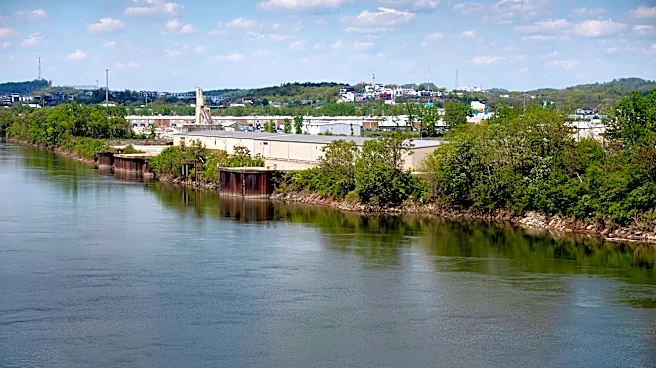
hub. The article asserts that beneath its famous honky-tonk lights, Nashville possesses a strong fishing culture, largely due to its proximity to Old Hickory Lake and the Cumberland River, which flows directly through downtown. This revelation comes as Nashville prepares to host 'The Champions' by World Bass Enterprises, described as the richest bass tournament in history, taking place on Old Hickory Lake. The piece features insights from professional angler Gerald Swindle, Barrett Hobbs of the Nashville Palace, TWRA Fisheries Chief Jason Henegar, and local pro Drew Boggs, all attesting to the area's significant fishing opportunities.
Why It's Important?
This article is important for the U.S. fishing community and local economies, as it redefines Nashville's image, potentially attracting a new segment of tourism focused on angling. By highlighting the city's overlooked fishing assets, MLF can draw more attention to the region's natural resources and recreational opportunities. The hosting of a major bass tournament like 'The Champions' further solidifies Nashville's emerging status as a significant fishing destination, bringing economic benefits through increased visitor spending on accommodations, dining, and fishing-related services. This shift in perception can also encourage local residents to engage more with their waterways, fostering a greater appreciation for conservation and outdoor recreation within the community.
What's Next?
The upcoming 'The Champions' tournament will serve as a major platform to showcase Nashville's fishing capabilities to a national audience. Following the tournament, there may be increased interest from anglers and fishing enthusiasts to visit Old Hickory Lake and the Cumberland River. Local tourism boards and fishing-related businesses could capitalize on this exposure by developing specialized fishing packages and promoting the area's angling opportunities. The insights from local experts like TWRA Fisheries Chief Jason Henegar suggest ongoing efforts to manage and sustain the fish populations, which will be crucial for the long-term success of Nashville as a fishing destination. Further articles or events from MLF could continue to explore other 'unexpected' fishing towns across the U.S.
Beyond the Headlines
Beyond the immediate economic and recreational impacts, this narrative challenges preconceived notions about urban centers and their relationship with nature. Nashville, often synonymous with country music, demonstrates that vibrant natural ecosystems and outdoor sports can coexist and thrive within or adjacent to bustling metropolitan areas. This perspective can inspire other cities to recognize and promote their own natural assets, fostering a broader movement towards urban greening and accessible outdoor recreation. It also underscores the diverse interests of a city's population, revealing that a place known for one cultural aspect can harbor rich, yet less visible, subcultures and activities, like a thriving fishing community.