






What's Happening?
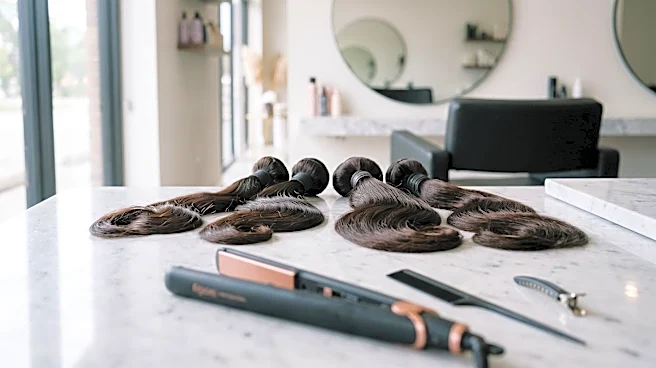
A Chicago woman, Daena, shared her experience of allegedly being scammed by a luxury hairstylist after paying a non-refundable $430 deposit for hair extensions. Daena, who is from St. Louis but was visiting Chicago, sought out a stylist specializing in microlinks
or luxury extensions for Black hair. She found Lena Marie Salon, admired the stylist's work, and despite having past salon trauma, decided to book an appointment. The stylist initially stated she didn't work weekends but offered to squeeze Daena in for an extra $100, requiring a $430 deposit, which was half the service cost. Daena paid the deposit via Apple Pay, plus an additional $10 fee. She then had to request the address for her 9:00 a.m. Sunday appointment. Upon arrival, the stylist was not present and later texted to push the appointment to 9:30 a.m. due to feeling sick. The stylist then took a 20-minute bathroom break before starting. During the service, the stylist informed Daena that her hair was too light for the tape-ins and needed to be dyed darker, adding another $100 charge. While Daena's hair was being dyed, the stylist allegedly disappeared for another 20 minutes to 'charge downstairs,' leaving Daena with dye in her hair. Daena eventually texted the stylist about her itching scalp, to which the stylist inquired about allergies. After the stylist returned, washed Daena's hair, and applied a steam treatment, she then complained that the hair bundles were too light for Daena's newly dyed hair.
Why It's Important?
This incident highlights significant issues within the service industry, particularly for luxury services where high costs are associated with expectations of professionalism and quality. For consumers, it underscores the risks of large upfront payments, especially non-refundable deposits, and the potential for exploitation when service providers fail to deliver. The alleged lack of communication, repeated delays, and the stylist's disappearance during the appointment can erode consumer trust and damage the reputation of individual stylists and the broader beauty industry. For businesses, such negative experiences, especially when shared on social media, can lead to severe reputational damage and loss of clientele. It also brings to light the challenges faced by clients seeking specialized services, such as microlinks or luxury extensions for Black hair, where options might be limited, making them more vulnerable to subpar or unethical practices. The situation also raises questions about consumer protection and recourse for individuals who feel they have been scammed or received inadequate service after significant financial investment.
What's Next?
After the stylist claimed the bundles were too light, she allegedly stated she needed to buy hair dye for them, which would take two hours, and instructed Daena to leave the shop during this time. Daena, frustrated, questioned the 'luxury service' aspect of being asked to leave without a phone charger. The stylist reportedly suggested Daena walk eight blocks to a 7-Eleven for a charger. Daena agreed to pay an additional $100 for the dye and walked to 7-Eleven, purchasing a $50 charger. After three hours without an update from the stylist, Daena threatened to ask for a refund. The stylist eventually replied, claiming she had been messaging Daena on Instagram, with one message stating that if Daena didn't return by 2:30 p.m., her hair could not be done. Daena saw this message at 2:30 p.m. and noted the stylist had not called her. Daena ultimately gave up and requested a refund. The stylist allegedly claimed she was 'underpaid' for her services, despite only having dyed and blown out Daena's hair. Daena did receive the hair bundles and later had her hair fixed by her cousin, a hairstylist. This situation may lead to further public discussion on social media regarding consumer rights and service provider accountability in the beauty industry.
Beyond the Headlines
This incident transcends a simple customer service complaint, touching upon broader themes of ethical business practices, consumer vulnerability, and the power of social media in holding service providers accountable. The alleged demand for a non-refundable deposit, coupled with the subsequent series of delays, additional charges, and the stylist's alleged abandonment of the client mid-service, raises ethical concerns about transparency and fairness in pricing and service delivery. For clients seeking specialized beauty services, particularly those with specific hair types or needs, the market can sometimes be less regulated, potentially leading to situations where clients feel pressured or exploited. The use of platforms like TikTok by Daena to share her experience highlights the growing role of social media as a tool for consumer advocacy and a mechanism for individuals to warn others about potentially fraudulent or unsatisfactory services. This public sharing can significantly impact a service provider's reputation and business, prompting a reevaluation of customer service standards and business ethics within the beauty industry.