




What's Happening?
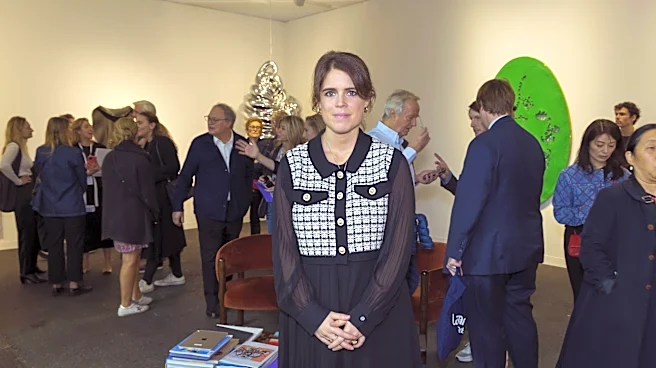
The Saatchi Gallery in London has opened a significant exhibition titled 'Beyond The Streets,' which showcases six decades of street culture. The exhibition features a wide array of influential artists, photographers, musicians, and activists who have
shaped these movements. Visitors can explore a recreation of a New York City subway carriage covered in graffiti, alongside historical photographs and documents detailing the evolution of graffiti and efforts to combat it. The exhibit also delves into the broader cultural ecosystem surrounding street culture, including music, fashion, photography, and the personalities involved. Notable sections include the photography of Normski, documenting the British hip-hop scene since the 1980s, and the work of American photographer Estevan Oriol, who captured the streets of Los Angeles and its Latino communities. A dedicated room pays tribute to British music icon Goldie, featuring an immersive recreation of his Metalheadz record shop and three decades of his work.
Why It's Important?
This exhibition is important as it provides a substantial platform for street culture, a movement often existing outside traditional art institutions, to be recognized and celebrated within a prominent gallery setting. By showcasing the rebellious, resourceful, and often confrontational energy of street culture, the Saatchi Gallery legitimizes its artistic and cultural significance. The inclusion of diverse artists and their contributions, from graffiti to hip-hop photography and music, highlights the multifaceted nature and global reach of these movements. For the public, it offers an opportunity to engage with a rich history of counter-culture, understanding its origins, evolution, and impact on contemporary society. The exhibition also underscores the role of art in reflecting and shaping social narratives, providing insights into communities and creative expressions that have historically been marginalized.
What's Next?
The 'Beyond The Streets' exhibition is scheduled to run until May 5, 2027, offering ample time for both local and international visitors to experience its extensive collection. Given its comprehensive nature and the historical depth it covers, the exhibition is likely to attract a broad audience, including art enthusiasts, cultural historians, and those interested in urban and youth culture. The long duration suggests an expectation of sustained public interest and engagement. Future developments might include educational programs or related events designed to further explore the themes presented in the exhibition, potentially fostering new discussions around the role and evolution of street art and culture in the modern world.
Beyond the Headlines
The exhibition's focus on street culture, particularly its origins in graffiti and hip-hop, touches upon deeper societal implications regarding artistic expression, public space, and social commentary. The display of crime reports and efforts to tackle graffiti highlights the historical tension between street artists and authorities, raising questions about ownership of public spaces and the definition of art. The inclusion of artists like Estevan Oriol, who documented Latino communities and gang culture in Los Angeles, also brings to light the socio-political dimensions embedded within street art, often serving as a voice for marginalized communities. This exhibition challenges conventional notions of art by elevating forms that originated from the streets, prompting a re-evaluation of what constitutes valuable cultural heritage and how diverse narratives are integrated into mainstream artistic discourse.