





What's Happening?
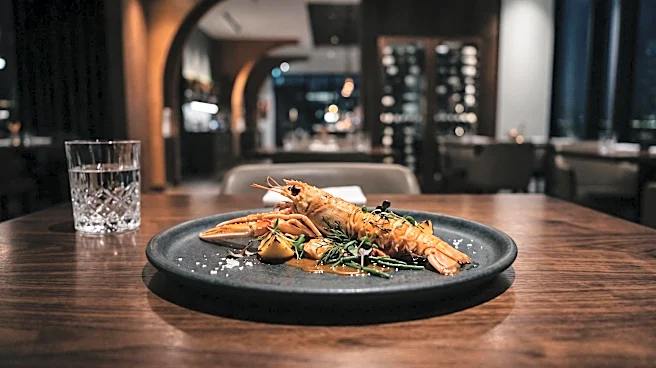
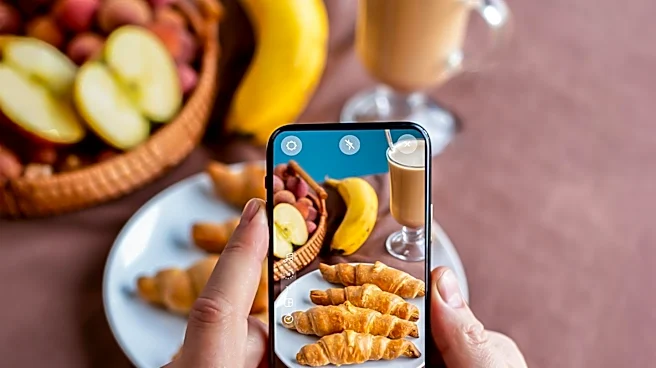
Restaurants in Los Angeles are experiencing a growing backlash against the use of AI-generated food images in their menus and marketing. This trend is causing a 'creepy effect' among consumers, who find something 'off' about the AI-produced visuals. The
phenomenon is being linked to the 'uncanny valley' theory, originally coined by Japanese roboticist Masahiro Mori in 1970, which describes the unsettling feeling people experience when something looks almost, but not quite, human. The aversion to AI food imagery is particularly strong in creative-centric areas like Atwater Village, where residents, many from the Hollywood industry, view AI as a threat to their livelihoods. One instance involved Hail Mary Pizza, which removed an AI-generated promotional clip within hours due to negative customer reactions and subsequently issued an apology, vowing to stick to human-made content. Despite the backlash, some small food entrepreneurs, particularly those with limited resources, continue to use AI for marketing, citing its utility for survival.
Why It's Important?
The growing rejection of AI-generated food imagery highlights a significant cultural and economic tension in the U.S., particularly within the service and creative industries. For consumers, the 'uncanny valley' effect in food presentation can erode trust and appeal, potentially impacting dining choices and restaurant patronage. For businesses, especially smaller establishments, the use of AI tools presents a dilemma: while it offers cost-effective marketing solutions, it risks alienating a customer base increasingly sensitive to authenticity and human-made content. The strong negative reaction from the creative community in Los Angeles underscores broader concerns about AI's impact on jobs and artistic integrity. This situation suggests a potential divide in consumer acceptance of AI applications, where practical back-end uses might be tolerated, but front-facing, creative applications face significant resistance, particularly when they touch upon sensory experiences like food.
What's Next?
The debate over AI-generated content in the food industry is likely to intensify, prompting restaurants and marketing agencies to re-evaluate their strategies. We may see a clearer distinction emerge between acceptable and unacceptable uses of AI in customer-facing roles. Restaurants might increasingly emphasize their commitment to human-created content as a marketing advantage, potentially leading to a 'human-made' certification or trend. Technology developers may focus on improving AI image generation to overcome the 'uncanny valley' effect, or pivot to AI tools that assist human designers rather than replace them entirely. Furthermore, the backlash could spur discussions within the creative industries about ethical guidelines and best practices for AI integration, potentially influencing future policy debates regarding AI's role in creative fields and its impact on employment.
Beyond the Headlines
Beyond the immediate impact on restaurant marketing, this trend touches upon deeper societal anxieties regarding authenticity, human creativity, and the pervasive influence of artificial intelligence. The 'uncanny valley' in food imagery reflects a broader discomfort with artificiality in areas traditionally associated with human touch and sensory experience. This could lead to a re-emphasis on artisanal, handcrafted, and genuinely human-produced goods and services as a counter-movement to AI proliferation. Ethically, it raises questions about transparency in marketing: should consumers be informed when images are AI-generated? Legally, as AI-generated content becomes more sophisticated, there could be challenges related to intellectual property and originality. Culturally, the rejection of AI food images might signify a growing desire to preserve human connection and artistry in an increasingly digitized world, potentially shaping consumer preferences and industry standards for years to come.