





What's Happening?
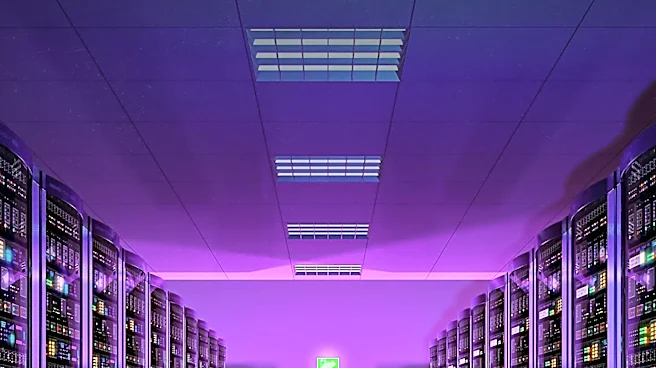
Startups are exploring innovative solutions to mitigate the strain on the U.S. electrical grid caused by the rapid expansion of AI data centers. Companies like Span, in collaboration with Nvidia, are deploying small data center nodes in residential areas.
These cabinet-sized units, known as XFRA, are designed to be installed on the sides of homes and small businesses, offering a quieter and potentially more environmentally friendly alternative to large warehouse data centers. The initiative aims to reduce the financial and ecological burden on residents while contributing to the overall compute capacity. Despite these efforts, tensions remain high between hyperscalers and local communities due to the rising costs and environmental impact of AI infrastructure. Projections indicate that capital expenditures for AI infrastructure could reach $7 trillion by 2030, further straining the already beleaguered U.S. grid system.
Why It's Important?
The expansion of AI data centers poses significant challenges to the U.S. electrical grid, potentially leading to a 6% increase in electric bills over the next year. This development highlights the urgent need for innovative solutions to manage the growing demand for electricity. The deployment of small data centers in residential areas could offer a viable alternative, reducing the strain on the grid and lowering energy costs for consumers. However, the environmental impact of such expansions remains a concern, with data centers consuming vast amounts of water and energy. The success of these initiatives could set a precedent for future infrastructure projects, influencing public policy and investment in sustainable energy solutions.
What's Next?
As the demand for AI infrastructure continues to grow, further developments in small-scale data centers are expected. Companies like Span and Nvidia are likely to expand their operations, potentially scaling up to an annual capacity of more than 1 gigawatt. This could lead to increased adoption of residential data centers, prompting regulatory bodies to establish guidelines for their deployment. Additionally, public opposition to large-scale data centers may drive further innovation in distributed computing solutions. The ongoing debate over the environmental impact of AI infrastructure is expected to intensify, with stakeholders advocating for more sustainable practices.
Beyond the Headlines
The introduction of small data centers in residential areas raises ethical and legal questions about privacy and property rights. As these units become more widespread, homeowners may face new challenges related to data security and the potential for increased surveillance. Furthermore, the reliance on residential infrastructure for commercial purposes could blur the lines between personal and corporate responsibilities, necessitating clear regulations to protect consumer interests. The long-term implications of this shift could reshape the landscape of energy consumption and distribution, influencing how communities interact with technology and infrastructure.