



What's Happening?
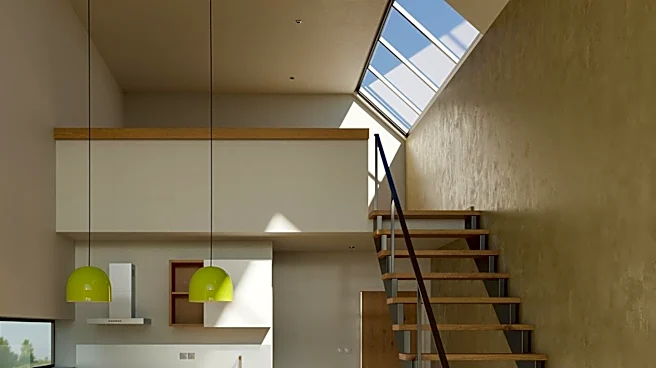
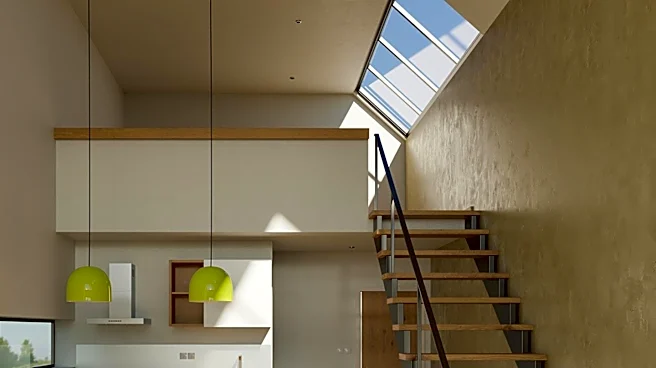
Mark D. Williams Custom Homes, a Twin Cities custom home builder, developed the Mysa Hus project with a central focus on wellness. This concept evolved beyond typical amenities like saunas to encompass cleaner air, better water, natural light, removal
of unnecessary chemicals from materials, and quiet environments. The builder, Mark D. Williams, became particularly focused on creating an acoustically serene home, incorporating triple-pane Pella windows, Rockwool insulation in both interior and exterior walls, a thin rubber layer beneath hardwood floors, and specialized sound-dampening drywall. The design process involved a core team including Williams, architectural designer Karl Adalbert, and Melissa Oholendt of Oho Interiors, with Oholendt given significant authority to ensure the design aligned with the broader wellness vision, even having veto power over Williams's choices. This collaborative approach aimed to create a home where the architecture itself, through proportions, materials, textures, light, and construction details, provided a sense of completeness and emotional well-being.
Why It's Important?
This approach to home building signifies a growing trend in the U.S. residential construction industry towards holistic wellness design, moving beyond superficial aesthetics to integrate health and comfort into the fundamental structure of a home. By prioritizing elements like air quality, water purity, natural light, and acoustic serenity, Mark D. Williams Custom Homes is addressing an increasing consumer demand for living spaces that actively contribute to residents' physical and mental well-being. This could influence future building codes and design standards, pushing other builders to adopt similar practices. The emphasis on natural materials and thoughtful construction also has implications for sustainability and environmental impact within the housing sector. Furthermore, the collaborative design model, where an interior designer holds significant authority, challenges traditional hierarchies in home construction, potentially leading to more integrated and user-centric designs across the industry. This shift could benefit consumers by offering homes that are not only visually appealing but also functionally optimized for a healthier lifestyle.
What's Next?
The success and public reception of projects like Mysa Hus could lead to increased adoption of wellness-focused design principles by other custom home builders and even larger residential developers across the U.S. We may see a rise in demand for specialized materials and technologies that support cleaner air, better water, and soundproofing in homes. Architects and designers might increasingly collaborate in more integrated teams, with interior designers playing a more pivotal role from the initial conceptual stages. This trend could also spur innovation in building materials and home systems, as manufacturers respond to the demand for products that enhance indoor environmental quality. Additionally, the focus on creating emotionally resonant spaces could influence marketing strategies in real estate, shifting emphasis from square footage and amenities to the experiential and health benefits of a home. Educational initiatives for builders and consumers on the benefits of wellness-centric design are also likely to expand.
Beyond the Headlines
The Mysa Hus project highlights a deeper cultural shift towards prioritizing well-being and mindfulness in daily life, extending into the built environment. The concept of 'mysa'—a Swedish word associated with coziness—underscores a desire for homes to be sanctuaries that offer respite from the external world. This reflects a broader societal yearning for tranquility and comfort, especially in an increasingly fast-paced and stressful world. The project's commitment to natural materials and thoughtful construction also touches upon ethical considerations regarding environmental stewardship and the long-term health impacts of building materials. By consciously designing for quiet and natural light, the project implicitly acknowledges the psychological benefits of reducing sensory overload and connecting with natural rhythms. This holistic approach to home design could foster a greater appreciation for the subtle yet profound ways our physical surroundings influence our emotional and psychological states, potentially leading to a re-evaluation of what constitutes a 'quality' home.