

What's Happening?
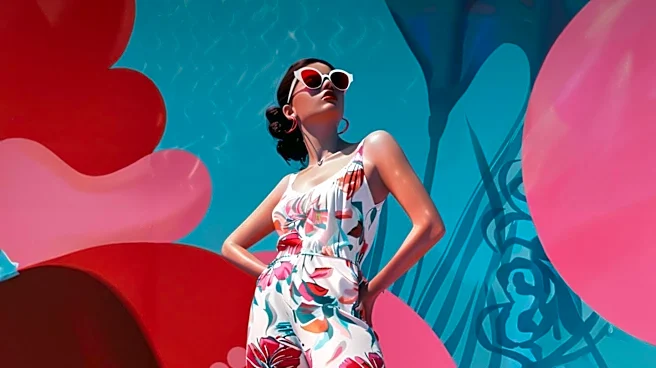
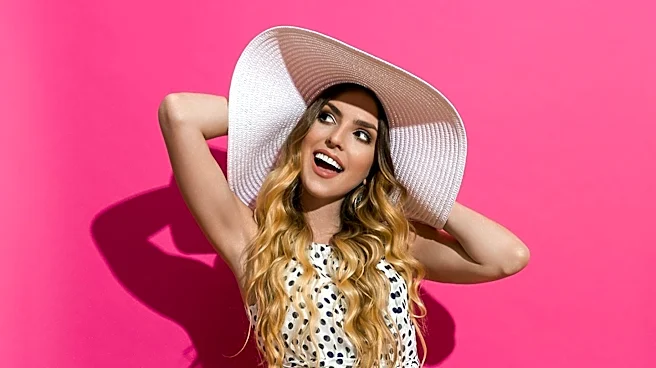
Y2K nostalgia is significantly influencing active lifestyles, manifesting in both fashion and fitness trends. The 'California-cool' aesthetic, popularized by the TV show 'O.C., California,' is experiencing a resurgence. This style is characterized by low-rise
jeans, tank tops, and beach-inspired looks. This fashion trend is being embraced alongside active events such as the Perseverance Kids Obstacle Run and Pilates on the Rink, which align with a relaxed, active lifestyle. Beyond fashion, the renewed interest in vinyl records among Gen Z consumers highlights a broader desire for intentional and communal experiences, mirroring the emphasis on community and shared activities within the active lifestyle movement. This cultural shift indicates a broader embrace of early 2000s influences in contemporary daily life.
Why It's Important?
The resurgence of Y2K nostalgia in active lifestyles and fashion holds importance for U.S. industries, particularly in retail, apparel, and entertainment. For fashion brands, understanding and adapting to this trend can drive sales and market relevance, as consumers seek out styles reminiscent of the early 2000s. The emphasis on 'California-cool' and laid-back activewear suggests a shift in consumer preferences towards comfort and casual elegance, impacting product development and marketing strategies. Furthermore, the trend's connection to communal and intentional experiences, as seen with vinyl records, indicates a deeper consumer desire for authenticity and connection, which can influence how fitness and lifestyle brands engage with their audiences. Businesses that successfully integrate these nostalgic elements into their offerings are likely to gain a competitive edge, while those that fail to recognize this shift may miss out on significant market opportunities.
What's Next?
The continued influence of Y2K nostalgia is expected to shape future product lines and marketing campaigns across various sectors. Fashion retailers will likely introduce more collections featuring low-rise silhouettes, tank tops, and beach-inspired apparel. Fitness brands may incorporate Y2K aesthetics into their activewear designs and promote events that align with a relaxed, communal vibe. The entertainment industry could see a rise in reboots or content that evokes the early 2000s, further fueling the nostalgic trend. Additionally, the emphasis on intentional and communal experiences suggests that businesses will increasingly focus on creating engaging, shared activities rather than purely transactional interactions. Consumers can anticipate a broader availability of Y2K-inspired products and experiences, while companies will need to remain agile in adapting to evolving nostalgic preferences to maintain relevance.
Beyond the Headlines
The embrace of Y2K nostalgia extends beyond mere fashion and fitness, reflecting deeper cultural and psychological undercurrents. This trend may signify a collective yearning for a simpler, perhaps more optimistic, past in an increasingly complex world. The 'California-cool' aesthetic, with its emphasis on effortlessness and leisure, could be a response to modern pressures, offering a sense of escapism and comfort. The preference for tangible experiences, such as listening to vinyl records, over purely digital consumption, highlights a desire for authenticity and a break from constant digital immersion. This cultural phenomenon suggests a broader societal inclination to revisit and reinterpret past eras, not just for their aesthetic appeal, but for the values and feelings they evoke. Understanding these deeper motivations can provide insights into evolving consumer behavior and broader cultural shifts.