


What's Happening?
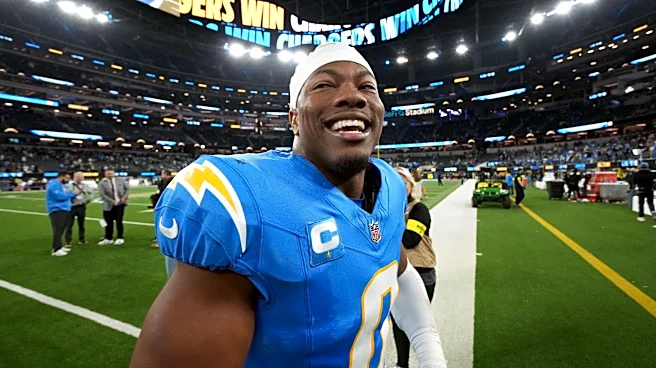
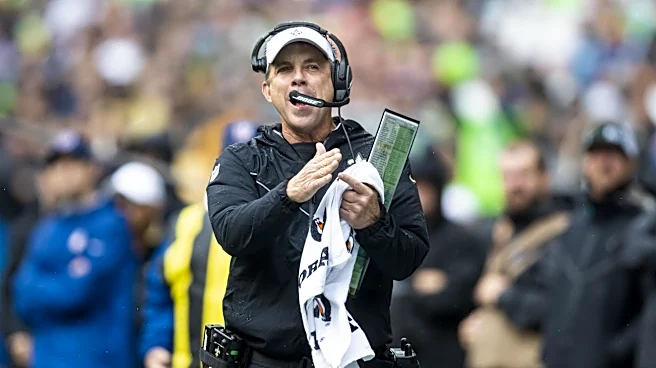
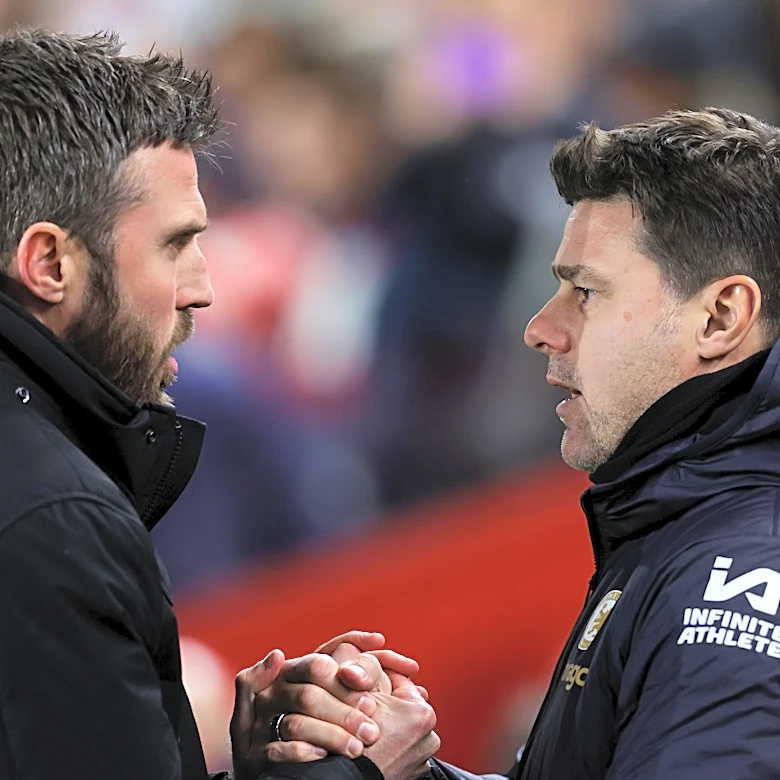
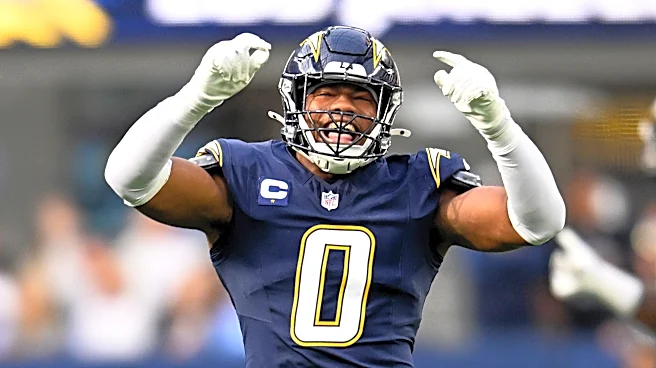
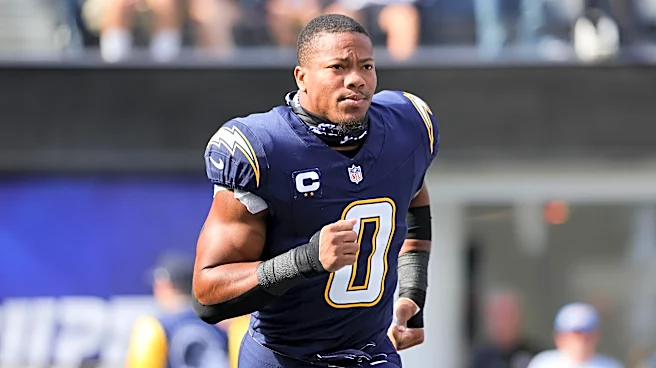
Denver Broncos head coach Sean Payton is facing scrutiny following the collapse of a trade agreement with the Los Angeles Chargers for linebacker Daiyan Henley. The trade, which involved a 2027 fourth-round pick and a 2028 fifth-round pick, was initially
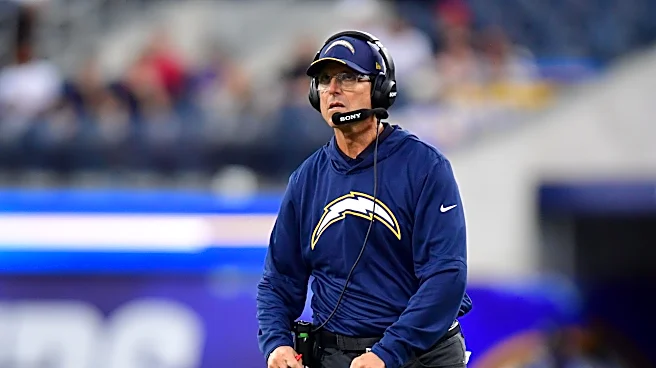
agreed upon at the trade deadline. However, the Broncos later pulled out, citing a failed physical due to arthritis in Henley's knee. Chargers head coach Jim Harbaugh has publicly accused the Broncos of attempting to renegotiate the trade compensation after Henley's physical, suggesting that Denver would have passed Henley if the Chargers agreed to lesser draft picks. Harbaugh stated that the Broncos based Henley's pass/fail status on whether the Chargers would accept reduced compensation. This incident has led to calls for the NFL to investigate the loophole that allows teams to adjust trade compensation post-deadline based on physicals. Payton has a history of controversial actions, including a suspension for the 'Bountygate' scandal and past disputes with other teams and coaches, which has fueled suspicions regarding the Broncos' conduct in this situation.
Why It's Important?
This incident highlights potential ethical concerns and loopholes within NFL trade regulations, particularly regarding player physicals and post-deadline negotiations. If the Broncos indeed used Henley's physical as leverage to alter trade terms, it could set a problematic precedent, undermining trust between franchises and potentially exploiting players. For the Chargers, the failed trade leaves them without the anticipated draft capital and with a player whose medical status has been publicly questioned, potentially impacting his future value. For the Broncos, the controversy adds to Sean Payton's already contentious reputation, raising questions about the team's integrity in front-office dealings. The situation could prompt the NFL to review and potentially revise its trade rules to prevent similar disputes, ensuring fair play and protecting players from being used as bargaining chips after an agreement is reached. The public nature of the dispute between two AFC West rivals also intensifies the competitive landscape and could lead to further animosity.
What's Next?
The NFL is expected to face pressure to investigate the circumstances surrounding the failed trade, particularly given Jim Harbaugh's public call for a review of the loophole. A league investigation could lead to clarifications or modifications of existing trade rules, especially those pertaining to physicals and post-deadline compensation adjustments. Depending on the findings, there could be repercussions for the Broncos if evidence supports Harbaugh's claims of bad faith negotiation. For Daiyan Henley, the immediate future involves remaining with the Chargers, though the public disclosure of his knee arthritis could affect his long-term contract negotiations as he approaches free agency in 2027. The relationship between the Broncos and Chargers, already competitive, is likely to be further strained, potentially influencing future player movements or interactions between the two organizations. Both teams will need to manage the fallout, with the Chargers potentially seeking alternative trade opportunities for Henley or integrating him back into their plans, and the Broncos moving forward with their current roster.
Beyond the Headlines
Beyond the immediate trade dispute, this event touches upon the broader issue of player welfare and transparency in professional sports transactions. The public disclosure of a player's medical condition, especially when tied to a failed trade, can have significant psychological and professional impacts on the athlete. It raises questions about the balance between team interests and player privacy, and whether current NFL protocols adequately protect players in such situations. Furthermore, the incident underscores the intricate and often opaque nature of NFL front-office dealings, where relationships, trust, and strategic maneuvering play crucial roles. The perception of 'gamesmanship' or 'bad faith' can erode trust across the league, potentially making future trade negotiations more difficult and contentious. This situation could also spark a wider discussion among players' associations about strengthening protections for athletes during trade processes, particularly concerning medical evaluations and the potential for teams to leverage such information for financial gain.