
What's Happening?
Dine-in pickleball venues are experiencing a surge in popularity and attracting significant private equity investment across the U.S. This trend is driven by changing consumer habits, with a notable decrease
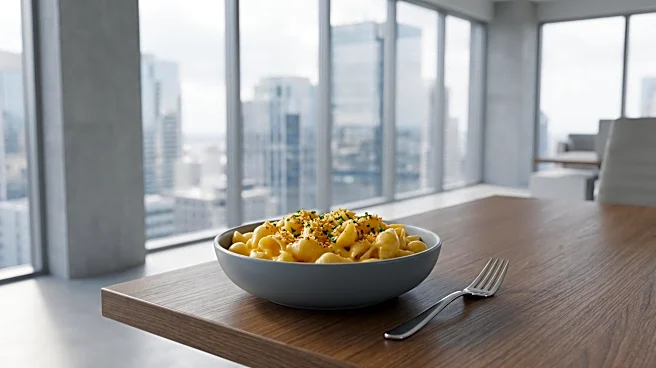
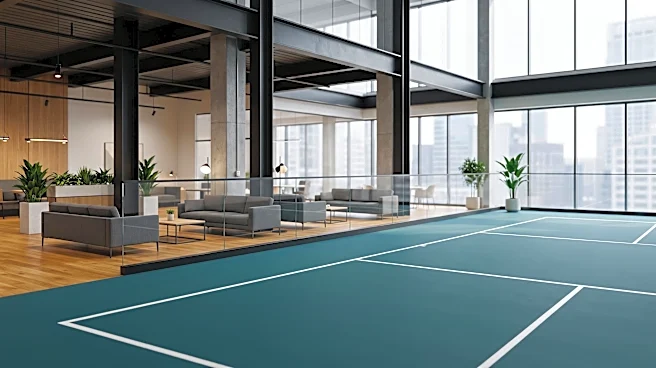
in inactive Americans since 2020 and a growing demand for experiential dining. Pickleball, recognized as the fastest-growing sport in the U.S. from 2022 to 2025, saw participation rise by 171.8 percent, with 24.3 million Americans playing last year. Concepts like Crush Yard, Pickle & Social, Chicken N Pickle, and Electric Pickle are expanding with multiple locations, while local establishments are also thriving. These venues combine pickleball courts with food and beverage services, offering a 'eatertainment' model that appeals to consumers seeking value and social experiences beyond traditional dining. Monthly memberships, ranging from $75 to $149, often include perks like discounts and dedicated court times, providing a recurring revenue stream for investors.
Why It's Important?
The rise of dine-in pickleball venues signifies a significant shift in the leisure and hospitality industries, moving towards integrated entertainment and dining experiences. This trend offers a new model for revitalizing commercial real estate, particularly large spaces left vacant by shuttered big-box retail stores. Landlords are eager to lease to these concepts due to their ability to absorb substantial square footage and generate consistent foot traffic, which benefits surrounding businesses in suburban developments. For investors, the 'eatertainment' model presents a more durable and less trend-driven revenue stream compared to traditional restaurants, with food and beverage sales enhancing profitability. This development also reflects a broader societal emphasis on experiences and human connection, as consumers increasingly prioritize activities that combine social interaction with leisure, impacting how businesses design and market their offerings.
What's Next?
The continued growth of dine-in pickleball venues is anticipated, with more private equity firms likely to invest in these concepts. The focus will be on optimizing membership models and corporate events to ensure a strong return on investment. Operators will need to balance profitability with accessibility, as concerns about affordability and potential social exclusivity arise with subscription-based models. Strategies like free daytime court reservations, as implemented by Electric Pickle, may become more common to attract a wider demographic and boost off-peak food and beverage sales. The success of these venues could also inspire similar hybrid entertainment concepts in other sports or activities, further transforming the landscape of leisure and dining in the U.S. The industry will likely see continued innovation in how these spaces are designed and managed to maximize both customer experience and financial viability.
Beyond the Headlines
The phenomenon of dine-in pickleball venues reflects a deeper cultural shift towards 'active leisure' and the blending of different aspects of social life. In an increasingly digital world, people are seeking tangible, interactive experiences that foster community and physical activity. The low barrier to entry and low-impact nature of pickleball make it accessible across generations, promoting intergenerational social engagement. However, the reliance on membership models and private equity investment also raises questions about equity and access. While these venues offer a more affordable alternative to exclusive country clubs, there's a risk that rising prices could exclude certain segments of the population, potentially undermining the sport's inclusive appeal. This trend highlights the ongoing challenge of balancing commercial viability with social accessibility in the evolving landscape of American recreation and entertainment.