








What's Happening?
Strength training is being increasingly recognized as a non-optional component of women's health, moving beyond aesthetic goals to address critical physiological functions. Experts emphasize that building muscle through heavy resistance training is vital
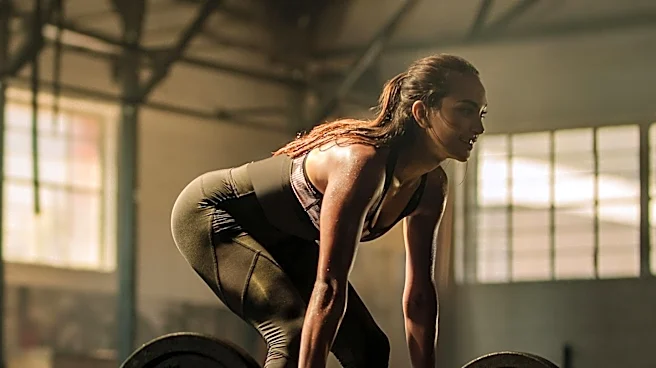
for immune function, bone density, metabolic health, and hormonal balance. Skeletal muscle is highlighted as the body's largest endocrine organ, playing a crucial role in regulating blood sugar, storing amino acids for illness recovery, and communicating with other bodily systems. Unlike light dumbbell exercises or isolated machine work, effective strength training for women involves low-rep sets of compound movements like squats, deadlifts, and presses, using challenging weights. This type of training stimulates bone density, which is particularly important for women due to estrogen's role in bone maintenance and its decline around menopause. It also improves insulin sensitivity and triggers hormonal responses that support tissue repair and muscle maintenance.
Why It's Important?
This re-evaluation of strength training for women has significant implications for public health in the U.S. By promoting heavy resistance training, it addresses prevalent health issues such as osteoporosis, metabolic dysfunction, and age-related frailty, which disproportionately affect women. Increased muscle mass provides a deeper reserve for the immune system during illness or stress, leading to faster recovery and better outcomes. Improved bone density directly combats osteoporosis, a major concern for post-menopausal women, reducing fracture risks and associated healthcare burdens. Enhanced metabolic health through increased muscle mass helps manage blood sugar levels and insulin sensitivity, mitigating the risk of type 2 diabetes. Furthermore, strength training supports hormonal balance, which can be particularly beneficial during perimenopause and menopause, contributing to overall well-being and functional independence in later life. This shift in perspective encourages women to prioritize long-term health and capability over superficial fitness goals.
What's Next?
The growing recognition of strength training's importance for women is likely to influence fitness trends, public health campaigns, and medical recommendations. We may see more fitness programs specifically designed for women that emphasize heavy lifting and compound movements, moving away from traditional, less effective approaches. Healthcare providers might increasingly incorporate strength training recommendations into routine patient care, particularly for women approaching or in menopause. Educational initiatives will be crucial to dispel myths about women becoming 'bulky' from lifting heavy weights and to promote the extensive health benefits. Research will likely continue to explore the specific mechanisms through which strength training impacts women's unique physiological needs, potentially leading to more tailored exercise prescriptions. Policy discussions around preventative health and wellness programs could also integrate these findings to support broader access to effective strength training resources.
Beyond the Headlines
Beyond the immediate health benefits, this emphasis on strength training for women carries deeper societal and cultural implications. It challenges long-standing gender stereotypes in fitness, empowering women to pursue physical strength and capability without fear of societal judgment. This shift can foster greater body positivity, focusing on what bodies can do rather than solely on appearance. Ethically, it promotes a more holistic view of women's health, advocating for interventions that enhance long-term vitality and independence. Culturally, it could lead to a broader acceptance of women in strength-based sports and activities, breaking down barriers and encouraging participation. This movement also highlights the importance of evidence-based fitness advice, pushing back against fads and misinformation that often target women in the health and wellness industry, ultimately contributing to a more informed and empowered female population.