




What's Happening?
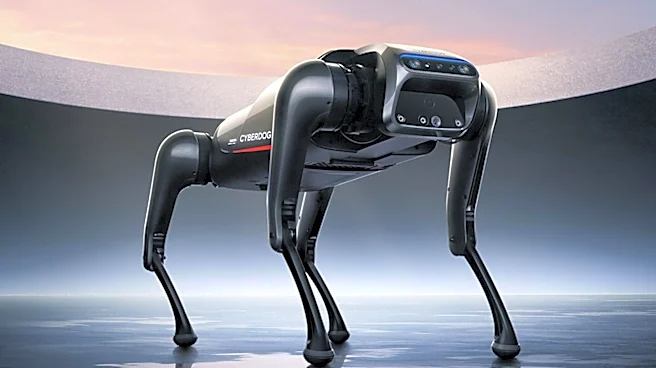
Asylon Robotics, a company specializing in robotics security, is deploying autonomous drones and robot dogs to patrol large properties such as stadiums, manufacturing plants, and warehouses. This initiative aims to address the high turnover rates in the security guard
industry, which has reached nearly 89% in recent years. The robots perform scheduled rounds, stream video to a remote operations center, and investigate alarms. If unusual activity is detected, a human operator verifies the threat and decides whether to notify on-site guards. Asylon's CEO, Damon Henry, highlights that the service costs between $120,000 to $170,000 annually, offering a cost-effective alternative to traditional security measures. The robots are not yet fully autonomous, requiring human intervention for complex tasks and threat verification.
Why It's Important?
The deployment of robotic security solutions by Asylon Robotics is significant as it addresses the ongoing retention crisis in the security guard industry. With a high turnover rate and a projected need to fill over 160,000 positions annually, the industry faces challenges in maintaining a stable workforce. The use of robots can reduce the risk of violence faced by human guards, as they are often exposed to dangerous situations during isolated overnight shifts. Additionally, the cost savings and efficiency offered by robotic solutions present a compelling case for businesses to adopt such technologies. This shift could lead to a transformation in the security industry, where human roles are focused on high-stakes situations requiring complex decision-making.
What's Next?
Asylon Robotics plans to continue expanding its deployment of robotic security solutions across the United States. The company currently has about 25 customers with approximately 50 robot deployments. As the technology advances, it is expected that robots will handle an increasing share of security tasks, although human oversight will remain essential for complex scenarios. The industry may see further integration of automation and artificial intelligence, potentially leading to changes in training and working conditions for human security personnel. Stakeholders, including businesses and labor organizations, will likely engage in discussions about the implications of automation on employment and safety standards.
Beyond the Headlines
The introduction of robotic security solutions raises ethical and legal questions about the future of work and the role of automation in society. As robots take over repetitive tasks, there is a need to ensure that human workers are adequately trained and compensated for their roles in high-stakes situations. The shift towards automation also highlights the importance of addressing the underlying issues in the security industry, such as low wages and inadequate training. Furthermore, the reliance on technology for security purposes necessitates robust cybersecurity measures to protect against potential vulnerabilities in robotic systems.