


What's Happening?
Wabi-sabi wallpapers are emerging as a design trend, drawing inspiration from the Japanese philosophy that finds beauty in imperfection, impermanence, and the quiet passage of time. These wallpapers move away from polished precision, instead featuring
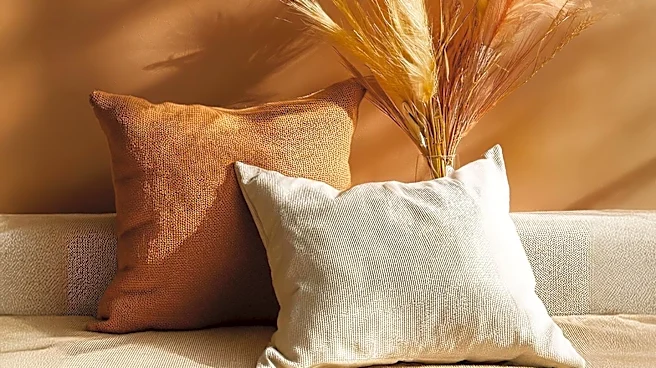
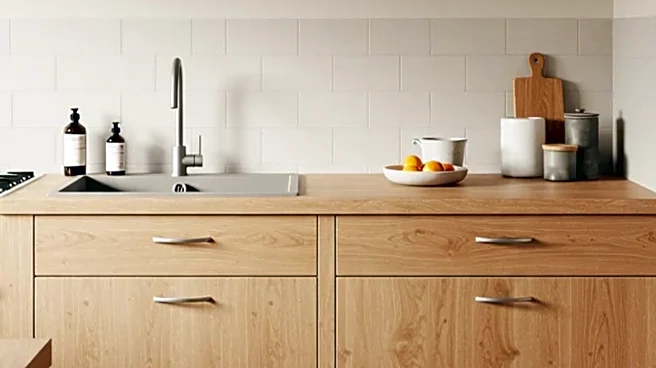
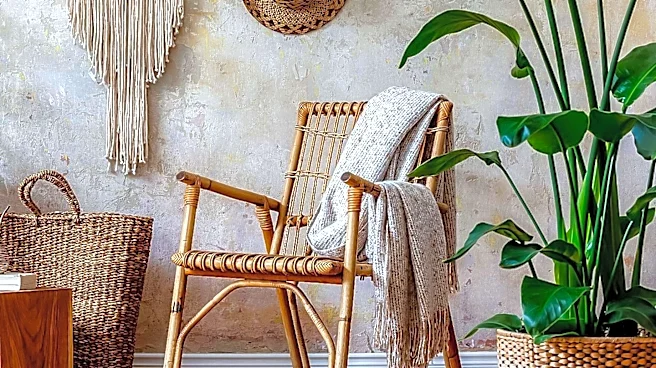
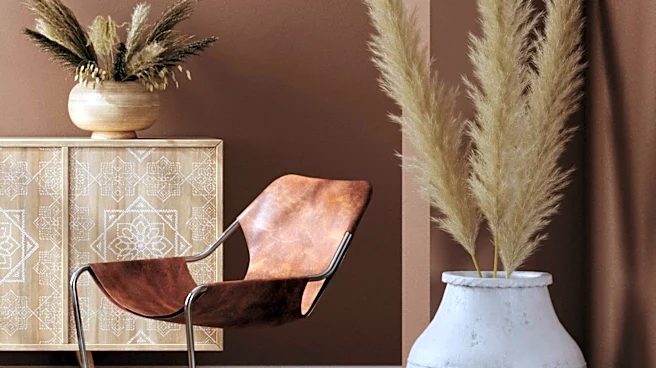
weathered textures, organic asymmetry, and understated motifs that evoke a handcrafted feel. The aim is to create a visual stillness and calm atmosphere, often through designs that mimic plaster finishes, delicate ink washes, or worn stone surfaces. They typically come in warm grays, sandy beiges, muted clays, and off-whites, designed to pair with natural materials like raw linen, unfinished wood, and hand-thrown ceramics.
Why It's Important?
The rise of wabi-sabi wallpapers in the U.S. reflects a growing desire among consumers for home environments that are serene, authentic, and connected to nature. This trend offers an alternative to highly stylized or overtly modern decor, appealing to those who seek a sense of tranquility and a deeper appreciation for natural aesthetics. For the interior design and home decor industries, it presents an opportunity to cater to a market segment that values character and subtle beauty over flawless uniformity. It also encourages the use of sustainable and natural materials, aligning with broader environmental consciousness. The emphasis on understated elegance can transform living spaces into calming retreats, impacting residents' well-being.
What's Next?
As wabi-sabi continues to influence home decor, expect to see a wider range of wallpapers and other decorative elements that embody its principles. Manufacturers may introduce more products with textured finishes, organic patterns, and muted color palettes. Interior designers are likely to incorporate these elements into minimalist and contemporary spaces, using them to add depth and warmth without visual clutter. Consumers might increasingly opt for accent walls or entire rooms designed with wabi-sabi in mind, pairing these wallpapers with low-profile furniture and a few carefully chosen, meaningful objects. The trend could also spur innovation in wallpaper materials, focusing on natural fibers and eco-friendly production methods.
Beyond the Headlines
The adoption of wabi-sabi wallpapers goes beyond mere aesthetic preference; it signifies a philosophical shift in how people approach their living spaces. It encourages a departure from the pursuit of perfection and an embrace of the natural aging process of materials. This can foster a more mindful and less consumerist approach to home decoration, where items are chosen for their intrinsic beauty and ability to evoke a sense of peace, rather than their trendiness or pristine condition. Culturally, it promotes a deeper connection to nature and an appreciation for the subtle nuances of the environment. Ethically, it could lead to a greater demand for handcrafted and sustainably produced goods, supporting artisans and environmentally responsible manufacturing practices.