







What's Happening?
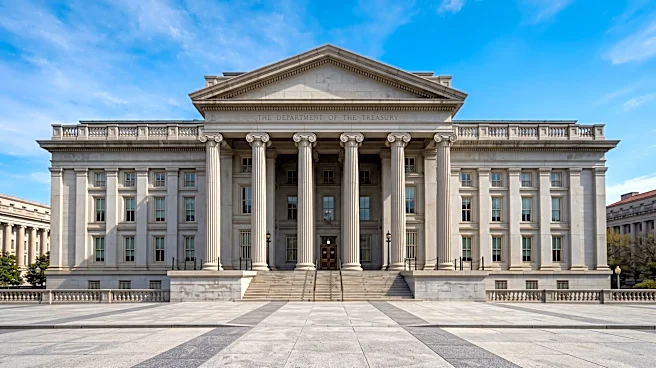
US Treasury Secretary Scott Bessent and US Trade Representative Jamieson Greer have pressed Chinese Vice Premier He Lifeng to fully and immediately implement trade commitments made a year ago in Busan, South Korea. During a video call, Bessent emphasized
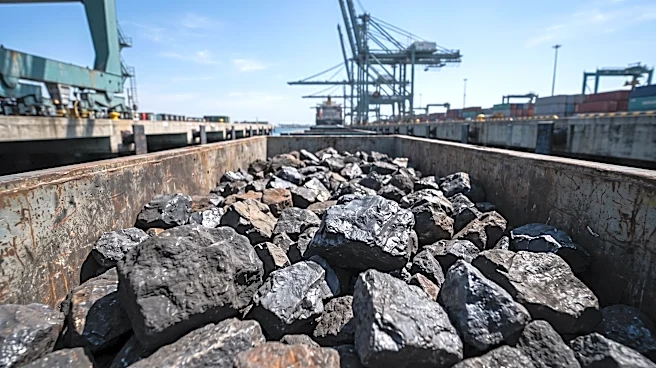
that continued progress in trade relations depends on concrete results and that the United States will assess China's compliance based on tangible outcomes. Greer specifically highlighted concerns regarding China's actions on agricultural purchases, rare earths, and other critical minerals. The Treasury Department stated that Bessent flagged recent Chinese actions, indicating Washington's close scrutiny of Beijing's adherence to the agreement. This engagement occurs amidst ongoing uncertainty about the implementation of the trade truce between the two economic powers, which was extended until January 10. The US has previously noted delays in China's commitments, particularly concerning the volume and pace of rare earth supplies and agricultural purchases, despite China making substantial purchases of US soybeans.
Why It's Important?
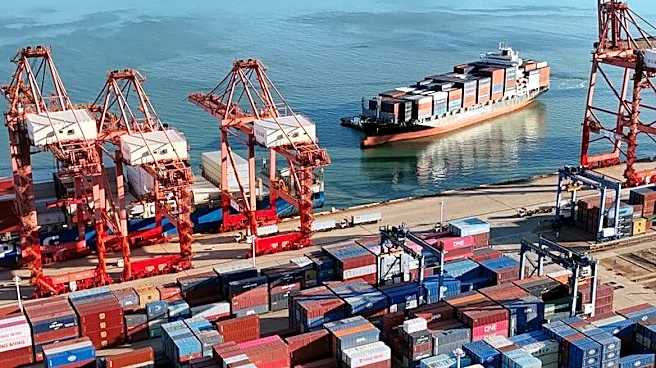
This development is significant as it underscores persistent tensions in the US-China trade relationship and highlights the Trump administration's focus on ensuring China's adherence to trade agreements. The US insistence on concrete results for agricultural purchases and critical minerals like rare earths directly impacts American farmers and industries reliant on these materials. Failure by China to meet these commitments could lead to renewed trade friction, potentially affecting global supply chains and economic stability. For US agricultural producers, consistent and robust Chinese demand is crucial for market stability and profitability. Similarly, the reliable supply of rare earths is vital for various US high-tech and defense industries. The US stance signals that it will not tolerate perceived non-compliance, which could influence future trade negotiations and the broader economic relationship between the two nations.
What's Next?
The immediate next step involves a meeting between President Trump and Chinese President Xi Jinping at the Asia-Pacific Economic Cooperation summit in Shenzhen, less than two weeks after this warning. Treasury Secretary Bessent has indicated he may hold further discussions with Vice Premier He Lifeng on the sidelines of this summit, potentially including talks on the US-China artificial intelligence dialogue announced in September. A critical near-term deadline is November 10, when tariff exclusions for certain Chinese products are set to expire, with US officials yet to announce whether these will be extended. The outcome of these discussions and decisions on tariff exclusions will be closely watched by businesses and financial markets, as any disruption could reignite concerns about a prolonged trade conflict and its potential impact on the US economy.
Beyond the Headlines
Beyond the immediate trade concerns, this situation reflects a broader strategic competition between the US and China, particularly in critical sectors like rare earths and advanced technology. The US emphasis on China's compliance with trade commitments can be seen as part of a larger effort to rebalance economic relations and address what it perceives as unfair trade practices. The discussions also touch upon the internal dynamics within the Chinese administration, with US Trade Representative Greer noting differing levels of engagement among Chinese government departments. This suggests that implementing trade agreements can be complex due to internal bureaucratic hurdles in China. The long-term implications could include a re-evaluation of global supply chain dependencies, particularly for critical minerals, and a continued push by the US to diversify its sources and reduce reliance on China, potentially leading to new alliances and trade partnerships.