





What's Happening?
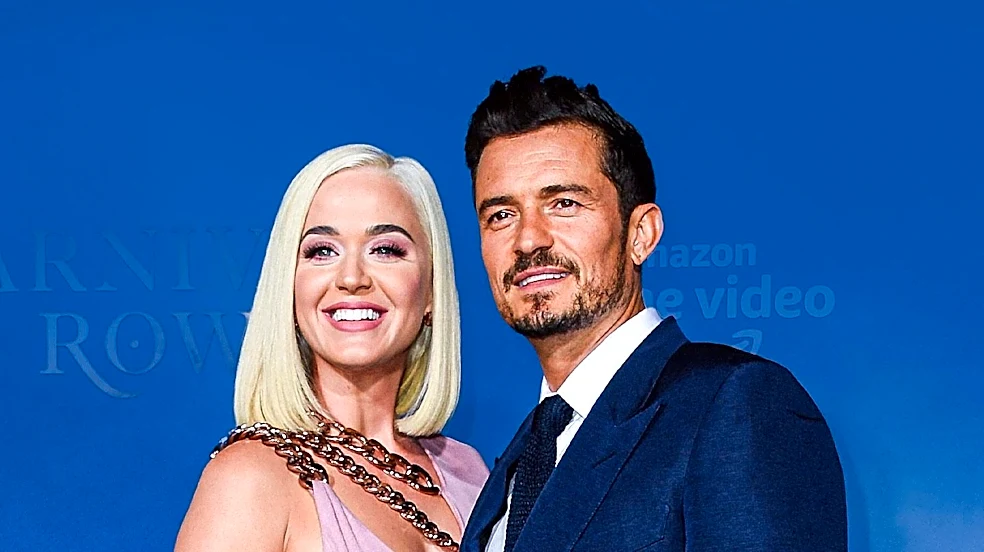
Orlando Bloom shared details about a near-fatal accident he experienced at the age of 19, where he fell three floors from a window and broke his back. The incident occurred while he was attempting to climb to a rooftop terrace with friends, and the drainpipe
he was scaling collapsed. Although he broke several vertebrae, his spinal cord remained intact, which he credits for his survival. In the hospital, he was initially told he might never walk again, marking the beginning of a long and painful recovery journey. This experience profoundly impacted his life, leading him to recognize patterns that contributed to numerous accidents he had experienced.
Why It's Important?
This personal account from Orlando Bloom underscores the fragility of life and the profound impact a single accident can have on an individual's physical and mental well-being. His story highlights the critical importance of spinal cord integrity in severe falls and the long, arduous process of rehabilitation. For young adults, it serves as a cautionary tale about risky behaviors and the potential for life-altering consequences. Furthermore, Bloom's reflection on how the incident changed his perspective on life and risk-taking offers a powerful message about personal growth and resilience in the face of adversity, resonating with anyone who has faced a significant personal challenge.
What's Next?
While this is a past event, Bloom's continued sharing of his story, such as in a 2022 Instagram video with UNICEF, indicates an ongoing commitment to raising awareness about safety and personal transformation. His experience has shaped his life and career, influencing his choices and potentially inspiring others. For individuals facing similar injuries, his journey offers a testament to the possibility of recovery and adaptation. The narrative also contributes to broader discussions about celebrity vulnerability and the human experience beyond their public personas, fostering empathy and understanding.
Beyond the Headlines
Bloom's experience delves into the psychological and emotional aftermath of a traumatic injury. Being told he might never walk again, followed by a period of partying with a back brace, illustrates a complex coping mechanism. His eventual realization that he needed to change his life patterns speaks to the deeper psychological work required for recovery beyond physical healing. This narrative highlights the interconnectedness of physical health, mental well-being, and personal identity, demonstrating how a life-threatening event can serve as a catalyst for profound self-reflection and a re-evaluation of one's values and priorities. It also subtly touches on the role of support systems and personal determination in overcoming immense physical and emotional pain.